
Stamped Battery Contact Blades
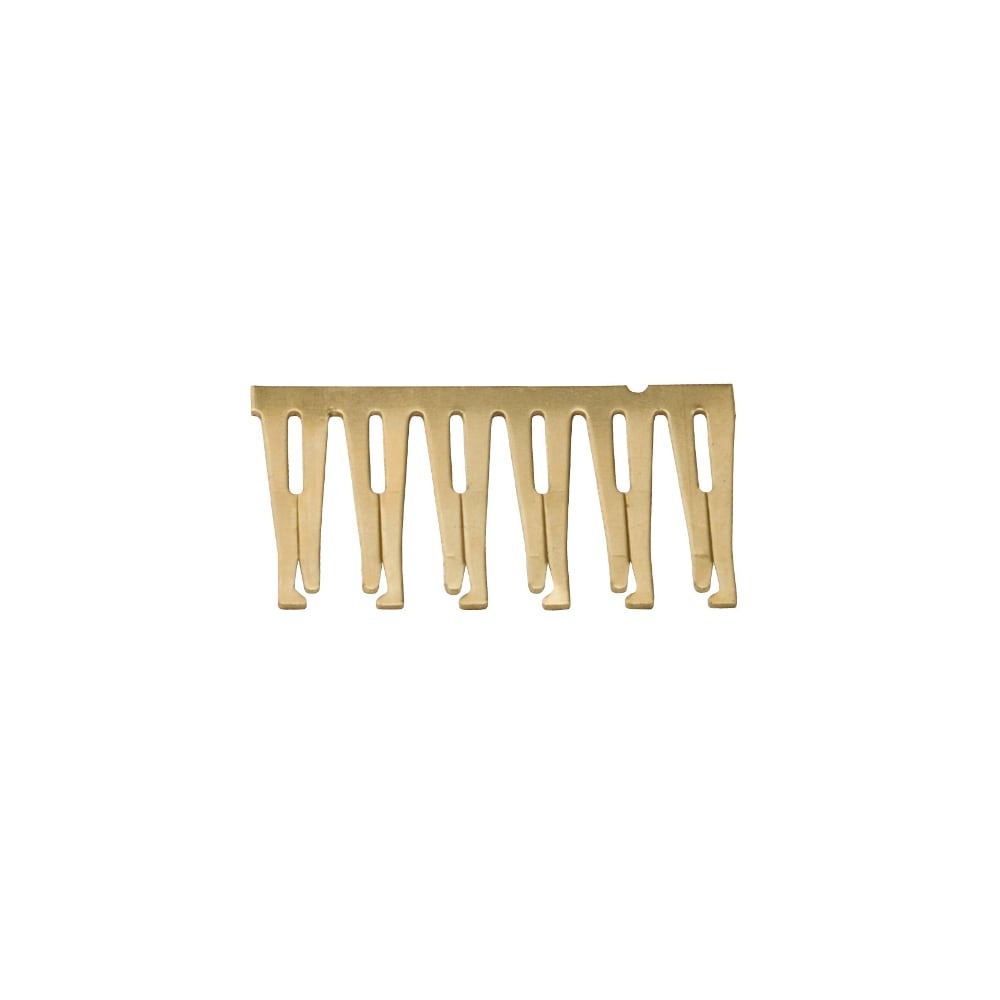
Yes — battery contact blades are a standard part we stamp: formed from beryllium copper C17200 or phosphor bronze on multi-up progressive dies, plated to your drawing's plating section (electroless nickel 10-20 µm with no underplate is one common build we quote), delivered as reel or loose piece, in annual volumes from 10,000 pieces upward. If your RFQ says "battery contact blades, annual volume 10K," that is a quotable job for us — tooling quoted separately from piece price so you can amortize it or own the die outright.
Performance
CONTACT RELIABILITY IS A PLATING AND SPRING PROBLEM
A battery contact blade lives on three numbers: normal force across the mating cycle, contact resistance after salt-spray, and the plating thickness that protects both. We design the progressive die to form the spring beam inside its elastic range, measure force and resistance on first articles, and verify plating per lot — so the blade that runs at 300 strokes per minute behaves like the sample that passed your bench.
The failure modes on these blades are electrical before they are dimensional: contact resistance creep from thin or porous plating, and loss of normal force from over-stressing the spring beam during mating. Both are die problems. We control the spring section's profile in the die, verify normal force and contact resistance on the first article, and hold plating thickness through approved partner lines under our quality plan, verified per lot.
Send the part drawing or the part number — powered surgical instrument packs, relay sockets, harness connectors, backup-battery interconnects. We read the plating section and the material callout before quoting, and flag any 2D/3D revision mismatch (a common source of scrapped tooling) as part of the DFM pass.
Materials
Common Materials
- C17200 Beryllium Copper (HT)
- C5191 Phosphor Bronze
- C26000 Brass
- Tin-Plated Steel (per spec)
Specifications
Technical Specifications
Positioning precision
±0.005 mm
Plating
EN 10-20 µm / tin / gold per drawing
MOQ
10,000 pcs
Delivery
Reel or loose piece
Tooling
Quoted separately from piece price
Certification
IATF 16949:2016 · PPAP on request
Product Range
Types of Stamped Battery Contact Blades We Produce
QUALITY ASSURANCE & INSPECTION
Rigorous Precision Inspection & Quality Control Standards
 Inspection Hardware
High-Precision Testing Equipment
- ZEISS CMM for complex 3D contours
- Nikon optical projector & tool presetters (0.001 mm resolution)
- Vickers hardness testers & surface roughness gauge
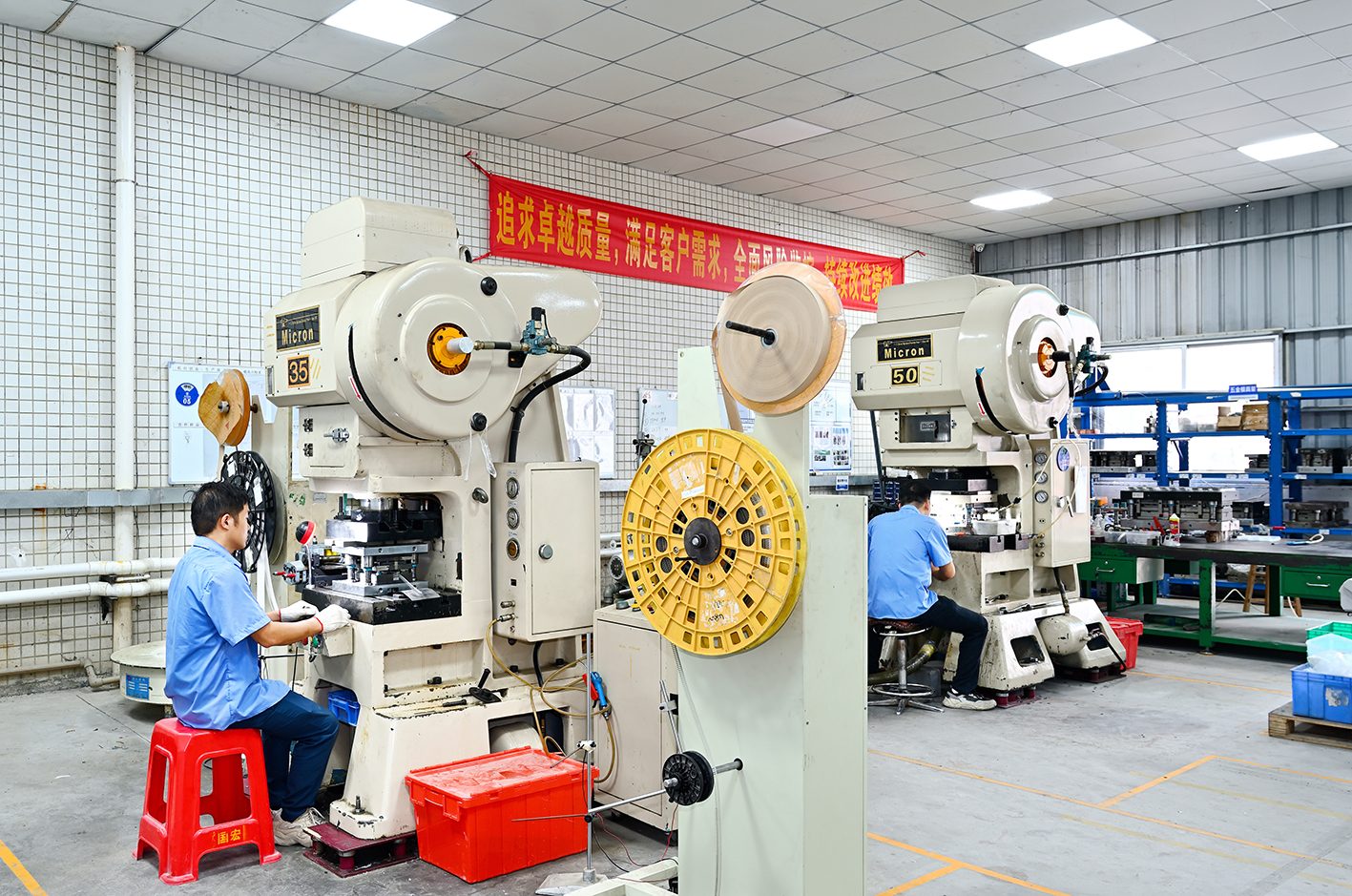 Quality Standards
Inspection Built Into Every Run
- 100% critical dimension inspection before packaging & shipment
- Concentricity & runout verification under optical magnifiers
- Surface micro-scratch & polish quality double-check
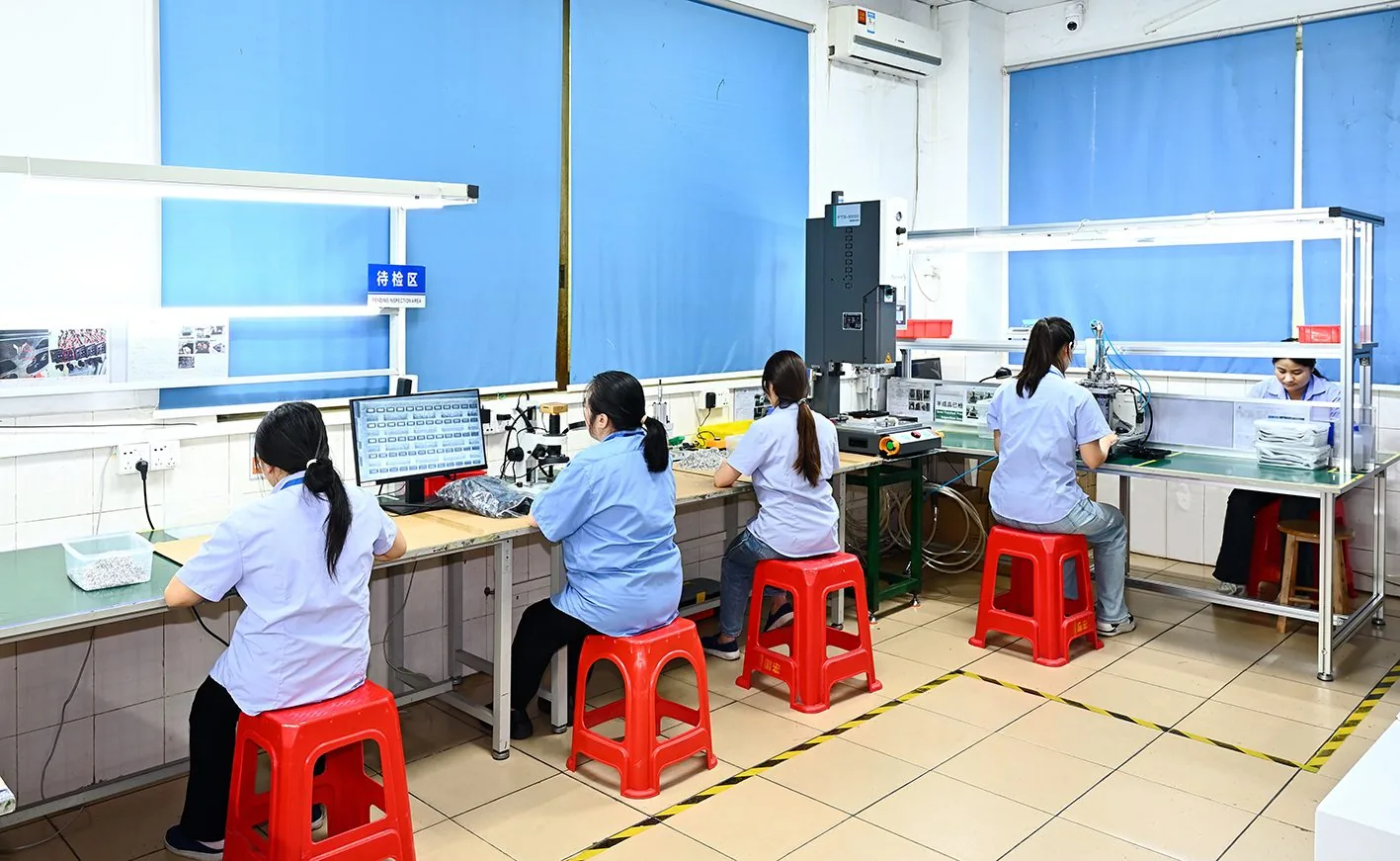 Material Compliance
Full Material & Heat Treatment Traceability
- Spectrometer material composition analysis report provided
- Original Mill Test Certificate (MTC) & heat treatment logs
- RoHS & REACH environmental compliance statements
Talk to Our Engineers About Quality Documentation
Tell us what your project requires, and our team confirms which inspection and material documentation can be included with your quote.
Manufacturing Process
How We Manufacture Stamped Battery Contact Blades
Spec Confirmation
We read the material callout, plating section and hardness requirement before quoting, and reconcile 2D versus 3D revision levels — silent drawing mismatches are where battery contact programs die.
Multi-Up Die Design
Progressive die designed for several blades per stroke; spring-beam profile and pilot layout modeled so normal force stays in the elastic range across the mating cycle.
Stamping
Coil-fed high-speed stamping at up to 300 SPM with 100% dimensional inspection on critical dimensions and die protection on drift.
Plating (Managed)
Reel-to-reel electroless nickel 10-20 µm (no underplate where the drawing specifies), tin or selective gold through approved partner lines under our quality plan, thickness verified per lot.
Force & Resistance Test
First-article normal force and contact resistance measured against spec before shipment; salt-spray class per drawing; ASTM B194/B196 hardness verification on BeCu where called out.
Reel & Ship
Reeled for automatic insertion or loose-packed, with traceability to coil and plating lot.
Applications
Where Stamped Battery Contact Blades Are Used
E-Mobility / Electric Vehicles
Powered surgical and medical instrument battery packs — The electric vehicle revolution is redefining precision manufacturing. EV battery packs, power distribution units and…
Automotive
Automotive and motorcycle battery terminals — The automotive industry is our most demanding and most important market. IATF 16949-certified production, PPAP…
Electrical
Relays, solenoids and control-gear socket contacts — Electrical metal stamping for power distribution - copper and aluminum busbars, silver and nickel plated contacts,…
Automotive
Appliance and power-tool wiring harnesses — The automotive industry is our most demanding and most important market. IATF 16949-certified production, PPAP…
E-Mobility / Electric Vehicles
Backup-battery and UPS interconnects — The electric vehicle revolution is redefining precision manufacturing. EV battery packs, power distribution units and…
In-House Tool Room
Made in Our Own Tool Room
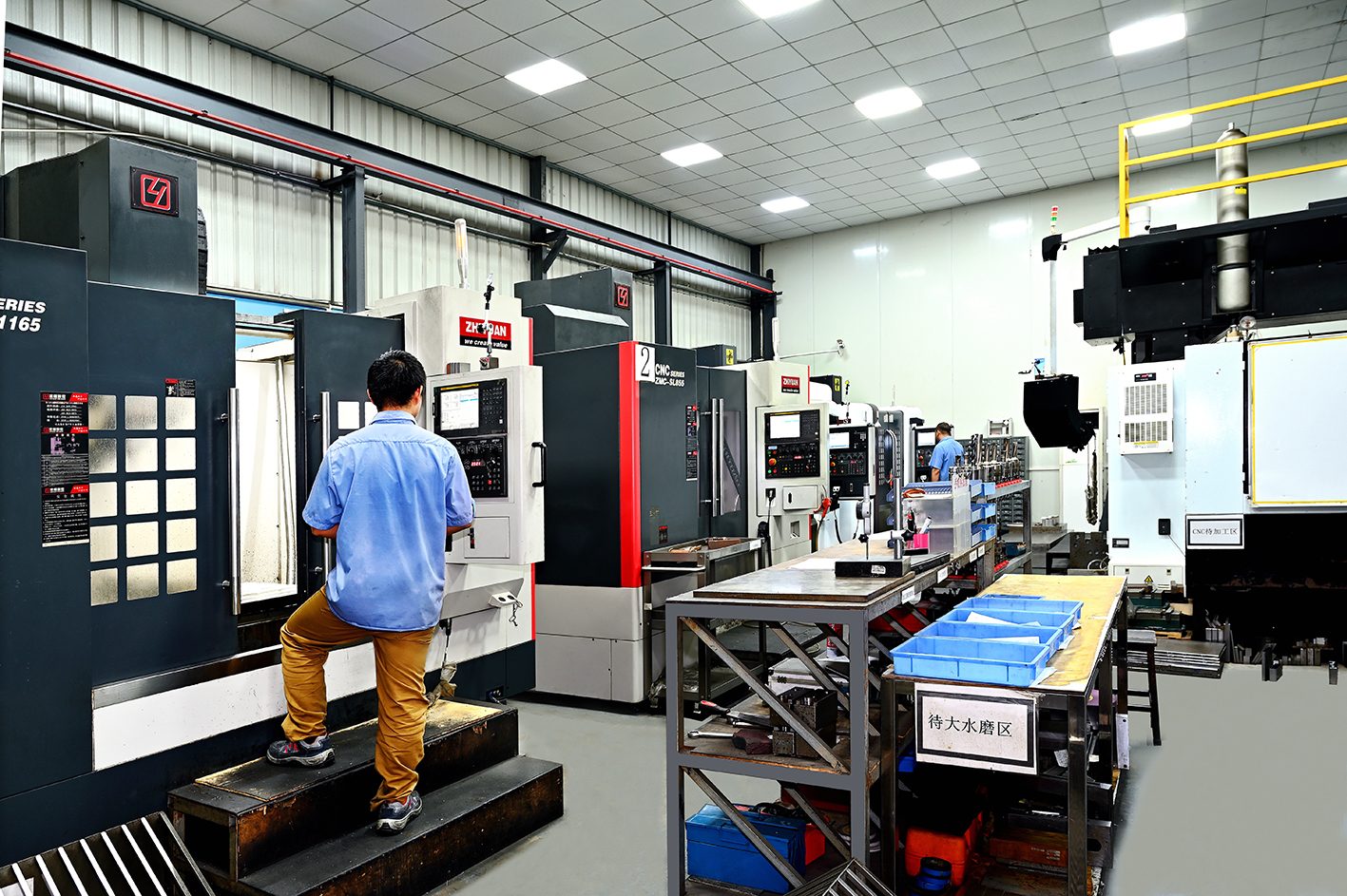
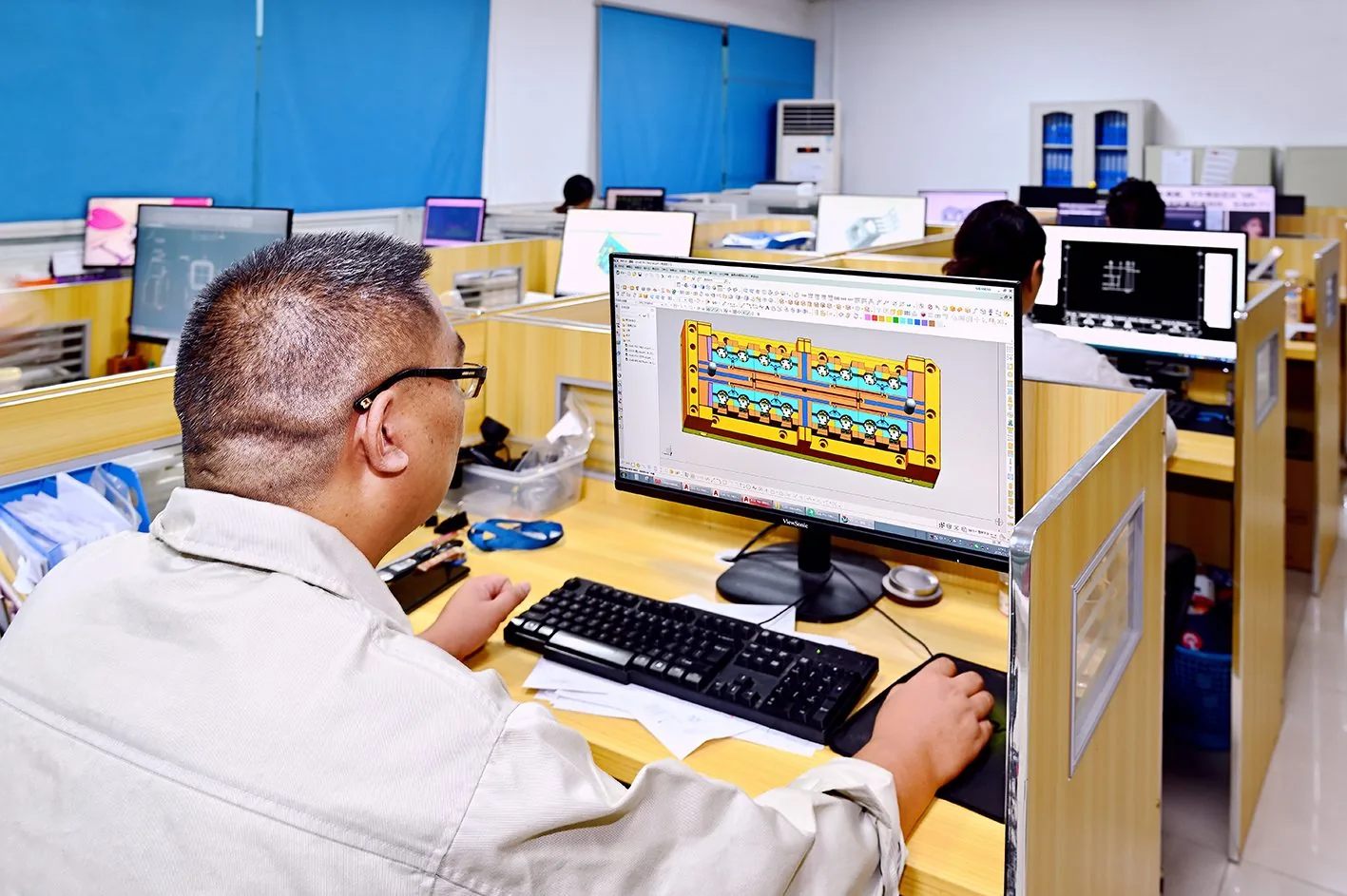
Every progressive die behind our stamped parts is 100% in-house stamping tooling — design, machining, assembly and T1 trial all under our roof. That is why tooling issues get solved on the shop floor in hours, not by email exchange with an outside die shop.
±0.001 mm Achieved
Combined machining accuracy down to ±0.001 mm, Ra0.05 µm surfaces and Ø0.05 mm micro end mills for tight die features.
30 In-House Machines
30 die-making machines — wire EDM, CNC and precision grinding — keep every die build and repair on our own schedule.
2–5 Weeks for Stamp Dies
Typical stamping die delivery in 2–5 weeks, with T1 trials run on our own presses before you commit to volume.
One Accountable Chain
Self-designed progressive dies, machined in-house, run at 60–300 SPM with CCD inline inspection — no outsourced-die handoff where quality falls between suppliers.
Engineering Support
Design-for-Manufacturability Support
If your drawing carries a plating section — chemistry, thickness band, masking, underplate or none — we price exactly to it and flag where the spec is silent. Where hardness is called out as a standard (ASTM B194/B196 on BeCu), we verify temper on first articles rather than trusting the coil certificate alone. Post-plate bake for hydrogen-embrittlement relief on high-strength alloys is proposed, not assumed.
FAQ
Questions Buyers Ask
What material is best for battery contact blades?
Beryllium copper C17200 holds normal force highest and longest for demanding duty cycles; phosphor bronze C5191 is the default cost/performance choice. We match alloy to your mating-cycle, current and temperature spec — and quote both when the drawing is silent.
What plating do you run on battery contacts?
Electroless nickel 10-20 µm is a standard build (with or without underplate per your drawing's plating section); tin and selective gold flows run through managed partner lines with thickness verification and lot records.
What is the minimum order quantity?
10,000 pieces. A 10K-per-year program — typical for instrument battery packs — is worth quoting, and multi-up tooling keeps the unit cost honest.
Can you verify hardness and normal force?
Yes. First-article normal force and contact resistance are measured against spec, and BeCu temper is verified against ASTM B194/B196 hardness classes where the drawing calls it out.
Is tooling included in the unit price?
No — tooling is quoted as a separate line so you can amortize it across volume or buy the die outright (including die-export programs where the tool ships to your plant).
Explore More
Recommended Products
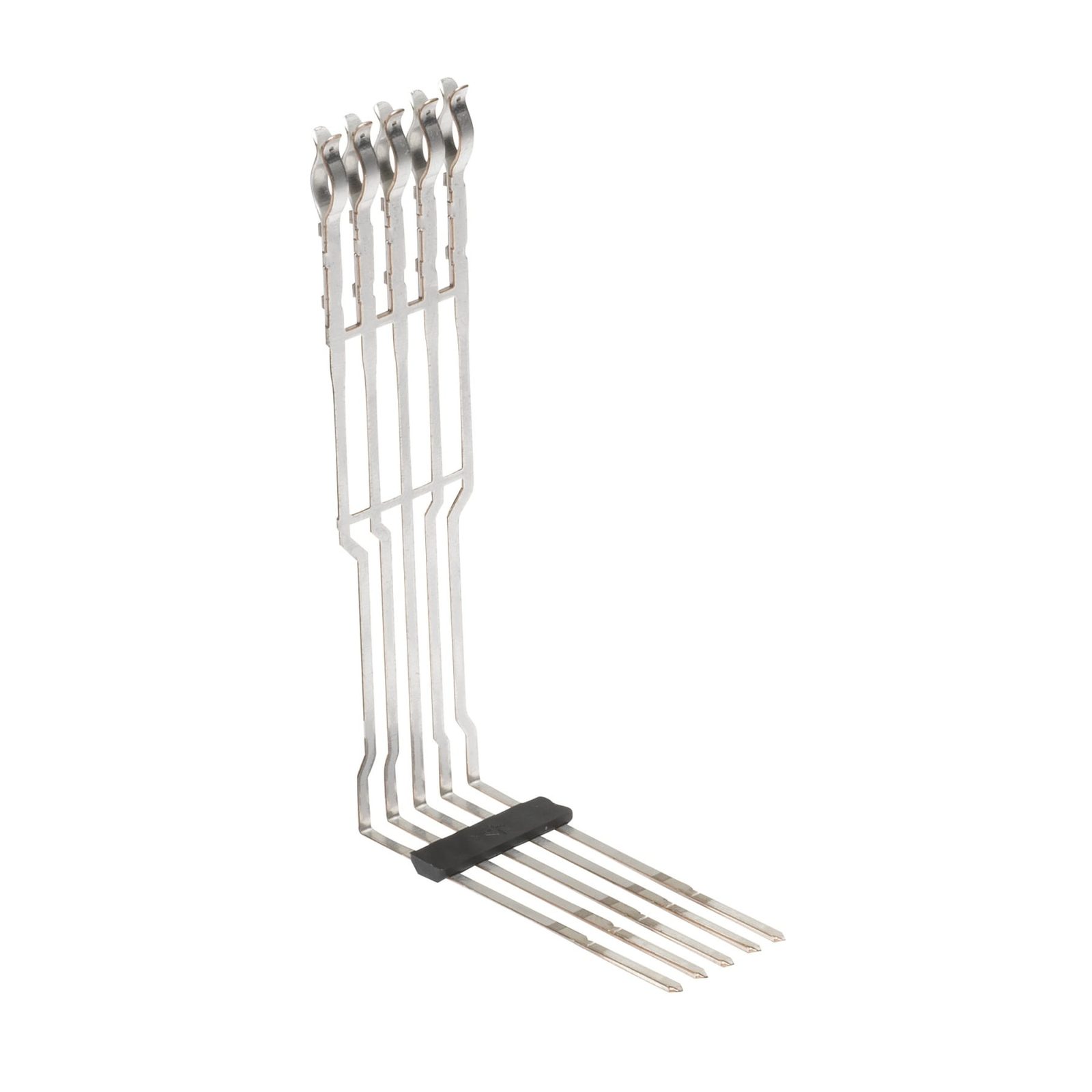
Thin-Gauge Lead Frames & Precision Stampings
Yes — ISTAMPING stamps lead frames and precision contact parts in thin strip from 0.05 mm (0.002 in) up, holding ±0.005 mm positional tolerance on piloted features using…
View Details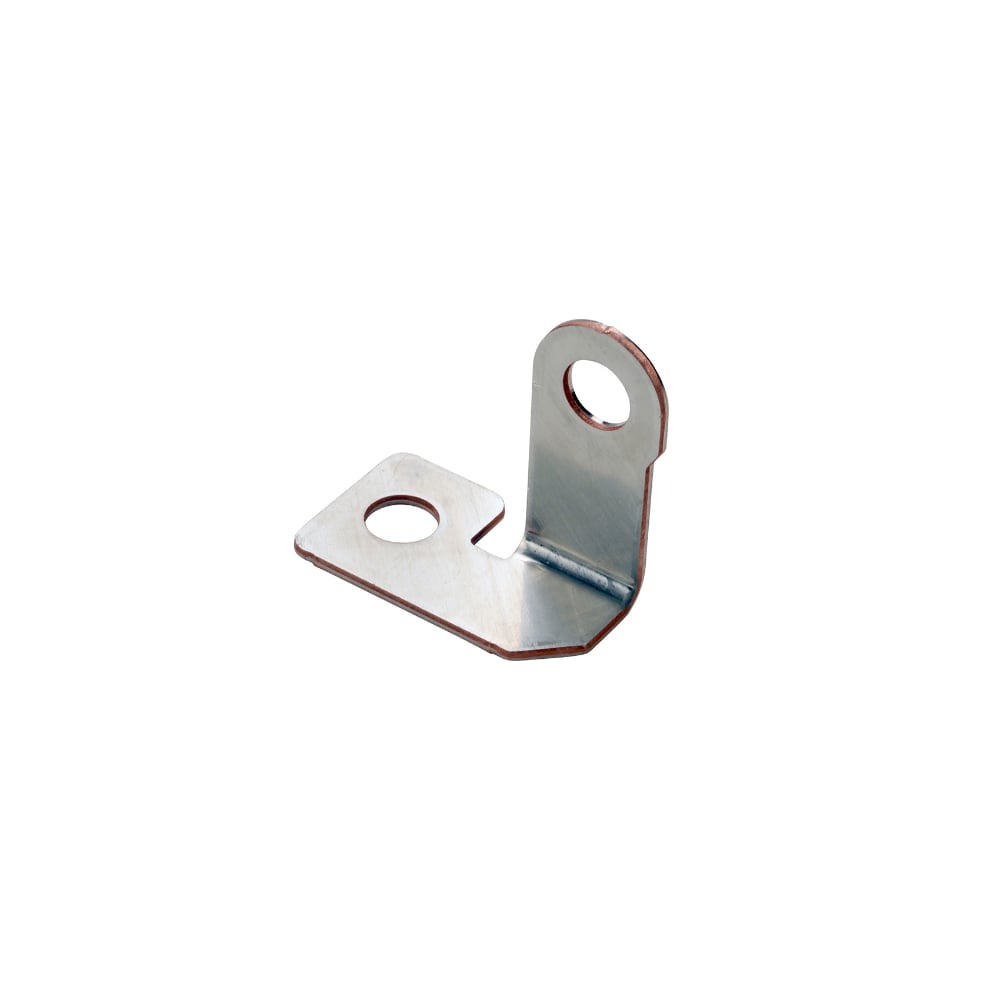
Heavy-Gauge & Galvanized Steel Stampings
Yes — ISTAMPING stamps formed, heavy-gauge steel parts from 1.5 mm up to 3.0 mm on dedicated 45 to 110 ton presses, and we support both routes your drawing might call for:…
View DetailsTerminals
Terminals are necessary to connect various circuits or systems. Sometimes called electrical connectors, these components are used to transfer electrical current from a power or…
View Details