
Pre-Production Services
Pre-production services from ISTAMPING improve your metal stamping program from the first design review through tooling kickoff. Our engineers assess manufacturability, recommend materials, simulate production and optimize cost before any tool steel is cut, so the program starts right and stays on schedule.
- Manufacturability review
- Material and plating selection
- 3D progressive die simulation
- Quality planning before tooling
- Factory-grounded cost optimization
Fast Response within 2 HoursNDA ProtectedSTEP / IGES / X_T / DWG
Trusted Tier-1 & OEM Standards:
SERVICE SCOPE & CAPABILITIES
Pre-Production Services: What We Cover
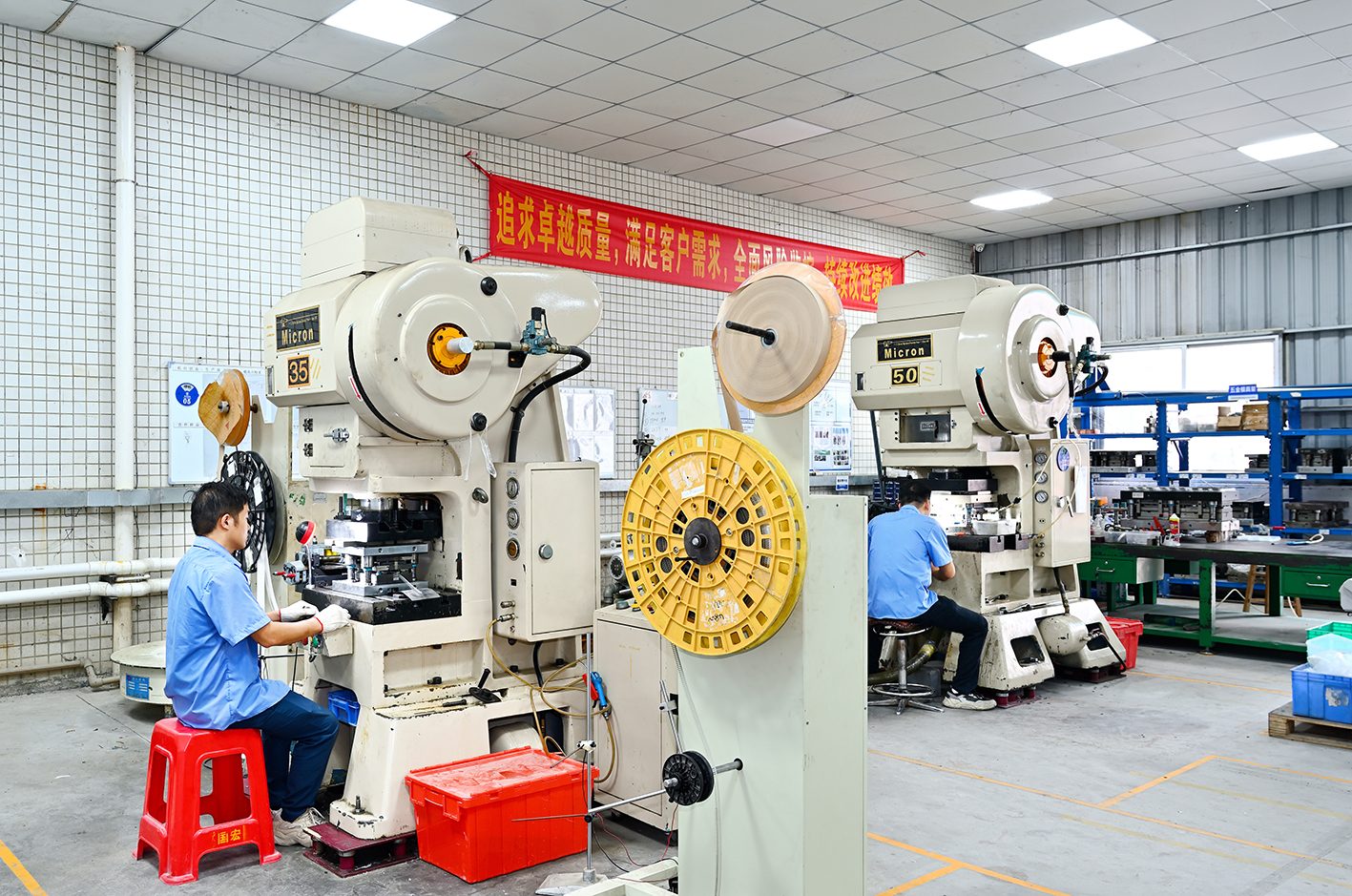
Pre-production services from ISTAMPING improve a metal stamping program from the first design review through tooling kickoff. Engineers assess manufacturability, recommend materials, simulate production and optimize cost before any tool steel is cut, so the program starts right and stays on schedule. The review is performed by the engineers who will build the tooling and run the parts, so every recommendation is executable against the actual press fleet.
CORE CAPABILITIES
Capabilities
- Manufacturability review
- Material and plating selection
- 3D progressive die simulation
- Quality planning before tooling
- Factory-grounded cost optimization
APPLICATIONS
Applications
- New part launches
- Engineering changes
- Cost reduction initiatives
- Supplier transfers
- Automotive, EV and electronics
DFM & ENGINEERING SUPPORT
Design for Manufacturability, Built In
Before tooling starts, our engineers review your drawing for material, tolerance, bend, and volume economics — and lock the process that will hold it across millions of strokes.
What We Review in Your Drawing
Tolerance callouts that exceed process capability
Drawings routinely carry tolerances copied from machining that stamping cannot hold economically. The review flags each callout against process capability, relaxes non-functional features and verifies critical ones with CMM first article measurement.
Material and plating decisions that inflate cost
An exotic grade or a full-surface plating zone can multiply part cost without adding function. The engineering team matches grade and temper to the application, specifies selective plating, and sizes coating thickness such as gold 2-8 um or tin and zinc 5-12 um to the contact and corrosion requirement.
Springback and formability surprises at tryout
High-strength alloys spring back unpredictably and complex forms can split or wrinkle. 3D simulation predicts the forming behavior before tooling, die compensation and coining steps are designed in, and first articles confirm the result before production release.
DFM to Production Flow
Drawing review
A drawing or 3D model enters a full manufacturability review covering material, feature geometry, bend radii, tolerances, plating and volume.
Capability assessment
Geometry, tolerance callouts and annual volume are assessed against what the progressive die process can honestly hold.
Process simulation
3D progressive die simulation validates strip layout, forming sequence and springback before tool steel is cut.
DFM report
A written DFM report returns specific recommendations on material, tolerance, tooling strategy and total cost.
Tooling kickoff
Once the design is approved, the program moves into tool design and tooling kickoff with the same engineering team that reviewed it.
Get a DFM Review of Your Part
Send us your 2D/3D drawing — receive a free DFM analysis and quote within 24 hours.
STEP / IGES / X_T / DWG / PDF
TECHNICAL CAPABILITIES
Pre-Production Services: Specifications & Equipment
Part Specifications
| Specification Parameter | Automotive & EV Standard | High-Precision Custom |
|---|---|---|
| Engineering | DFM review, design assistance | Per drawing |
| Simulation | 3D progressive die simulation | Per drawing |
| Material Selection | Expert recommendations | Per drawing |
| Cost Reduction | Part & tool design optimization | Per drawing |
Press & Equipment
Feasibility
Manufacturability review
Tooling
Seamless transition to tooling phase
Production Process
Drawing review
A drawing or 3D model enters a full manufacturability review covering material, feature geometry, bend radii, tolerances, plating and volume.
Capability assessment
Geometry, tolerance callouts and annual volume are assessed against what the progressive die process can honestly hold.
Process simulation
3D progressive die simulation validates strip layout, forming sequence and springback before tool steel is cut.
DFM report
A written DFM report returns specific recommendations on material, tolerance, tooling strategy and total cost.
MATERIALS & COMPLIANCE
Materials We Stamp & Compliance Documents
Every program ships with material traceability and the quality documents buyers need for automotive and EV supply chains.
Brass
Common Alloys
Finishing
Copper
Common Alloys
Finishing
Phosphor Bronze
Common Alloys
Finishing
Need a Specific Alloy or Coating?
Tell us the material grade and finish — we confirm availability and certification before quoting.
🔒 MTC / CoC / RoHS available per lot
QUALITY ASSURANCE & INSPECTION
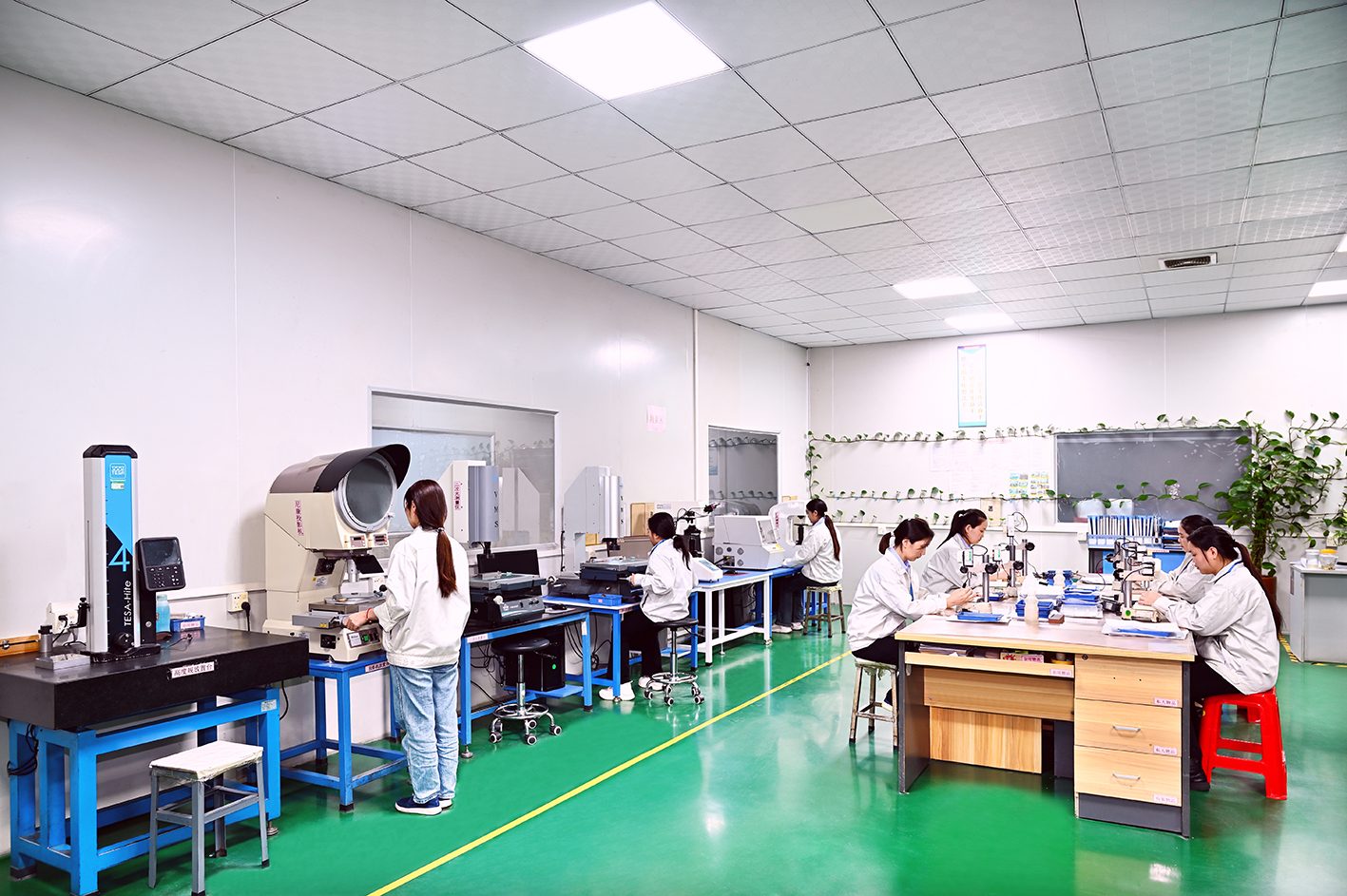
In-House Quality Lab, Verified on Every Lot
IATF 16949:2016 certified with CMM, optical measurement and in-line vision inspection at press speed.
 🔬 Inspection Hardware
In-House Quality Lab
- CMM & optical measurement for flat and 3D parts
- In-line vision systems inspecting at press speed
- SPC on critical features to catch drift as a trend
 🎯 Quality Standards
IATF 16949:2016 Certified
- IATF 16949:2016 automotive quality management
- ISO 14001:2015 environmental management
- PPAP documentation for automotive & EV programs
📜 TraceabilityFull Lot Traceability
- First-article inspection against the drawing
- Lot-level material traceability back to the coil
- Inspection records on every shipment
Download Sample Quality Control & Inspection Reports
Review our standard CMM inspection sheet, Material Composition Certificate, and RoHS report templates.
INDUSTRY CASES
Case Studies for Pre-Production Services
EV Battery · Case Study
EV Busbar Case Study: Battery Pack Interconnects
High-volume busbar stamping for EV battery pack interconnects — tolerance, plating and delivery evidence.
Read the Case Study →Automotive · Case Study
Progressive Die Case Study: Automotive Terminal Program
A multi-million-piece terminal program run on progressive dies with SPC and PPAP evidence.
Read the Case Study →EV Charging · Guide
EV Charging Connector Stamping Guide
How precision stamping serves EV charging connector programs — materials, tolerances and plating.
Read the Case Study →ORDERING PROCESS & FREQUENTLY ASKED QUESTIONS
How to Order Pre-Production Services & Frequently Asked Questions
📁 Step 1
Submit CAD & Specs
Send 2D/3D drawings (STEP, DWG, PDF) with quantity, material, and tolerance requirements.
⏱️ Step 2
24H DFM & Quotation
Our engineering team conducts DFM analysis and provides a competitive quote within 24 hours.
⚙️ Step 3
Precision Manufacturing
High-speed progressive die stamping, secondary forming, finishing, and surface treatment per your specifications.
✈️ Step 4
100% QC & Express Shipping
100% dimensional inspection, anti-corrosion packaging, and global express delivery.
What is included in a pre-production review?
A full manufacturability assessment of the drawing or 3D model: material and temper, feature geometry, bend radii, tolerance callouts, plating and finish, annual volume and cost drivers. You receive a written DFM report with specific, actionable recommendations before any tooling is committed.
When should I involve your engineering team?
As early as possible, ideally while the drawing is still open to change. The earlier the review, the cheaper the changes: moving a bend radius, relaxing a tolerance or changing a material costs nothing on paper but is expensive once tool steel is cut.
Can you help reduce the cost of an existing part?
Yes. Cost-reduction reviews look at material grade, tolerance relaxation on non-functional features, strip nesting, plating area and secondary operations. Most programs find meaningful savings without changing part function.
What materials do you work with?
Copper alloys such as C11000 and C5191 or C5210 phosphor bronze, brass, aluminum, carbon steel, stainless steel and exotic alloys, in strip from 0.05 mm to 3.0 mm thick and up to 650 mm wide, with plating options including gold from 2 to 8 um and tin or zinc from 5 to 12 um.
Do you simulate the stamping process?
Yes. 3D progressive die simulation validates strip layout, forming sequence, material flow and springback before tool steel is cut, which shortens tryout and reduces the risk of rework. Results are shared with you as part of the DFM report.
How does the program transition into production?
After DFM approval, the same team moves into tool design and tooling kickoff, delivers samples, and prepares PPAP documentation under the IATF 16949:2016 quality system. One supplier, one quality system, one accountable partner from drawing to mass production.
Ready to Start Your Precision Stamping Program?
Send your drawing today for a free DFM review and detailed quotation within 24 hours.
🔒 100% Confidential | NDA Protected | 24H Response
RELATED PRODUCTS
Recommended for This Service
Terminals
Terminals are necessary to connect various circuits or systems. Sometimes called electrical connectors, these components are used to transfer electrical current from a power or grounding source to an electrical system.
View Product Specs →Bus Bars
Busbars are flat conductive strips used to distribute electrical power within battery packs, power distribution units, inverters and charging infrastructure.
View Product Specs →Assemblies
Assemblies are complete finished products or sub-assemblies built from multiple stamped components joined together - often combining metal stampings with plastic parts, hardware and inserts.
View Product Specs →