
Tool & Die Manufacturing and Die Export
ISTAMPING builds progressive dies fully in-house: the tool that cuts the first sample is the tool that runs the millionth part. We also run tooling-only die export programs - buy the die outright, watch it qualify on our presses, then ship it to run on your line.
- 3D CAD Progressive Die Design and Simulation
- In-House Die Manufacturing
- Complete Fixture Package
- 0.005 mm Tooling Precision
- Try-out and Qualification on Own Presses
- Die Export and Ownership Transfer
Fast Response within 2 HoursNDA ProtectedSTEP / IGES / X_T / DWG
Trusted Tier-1 & OEM Standards:
SERVICE SCOPE & CAPABILITIES
Tool & Die Manufacturing and Die Export: What We Cover
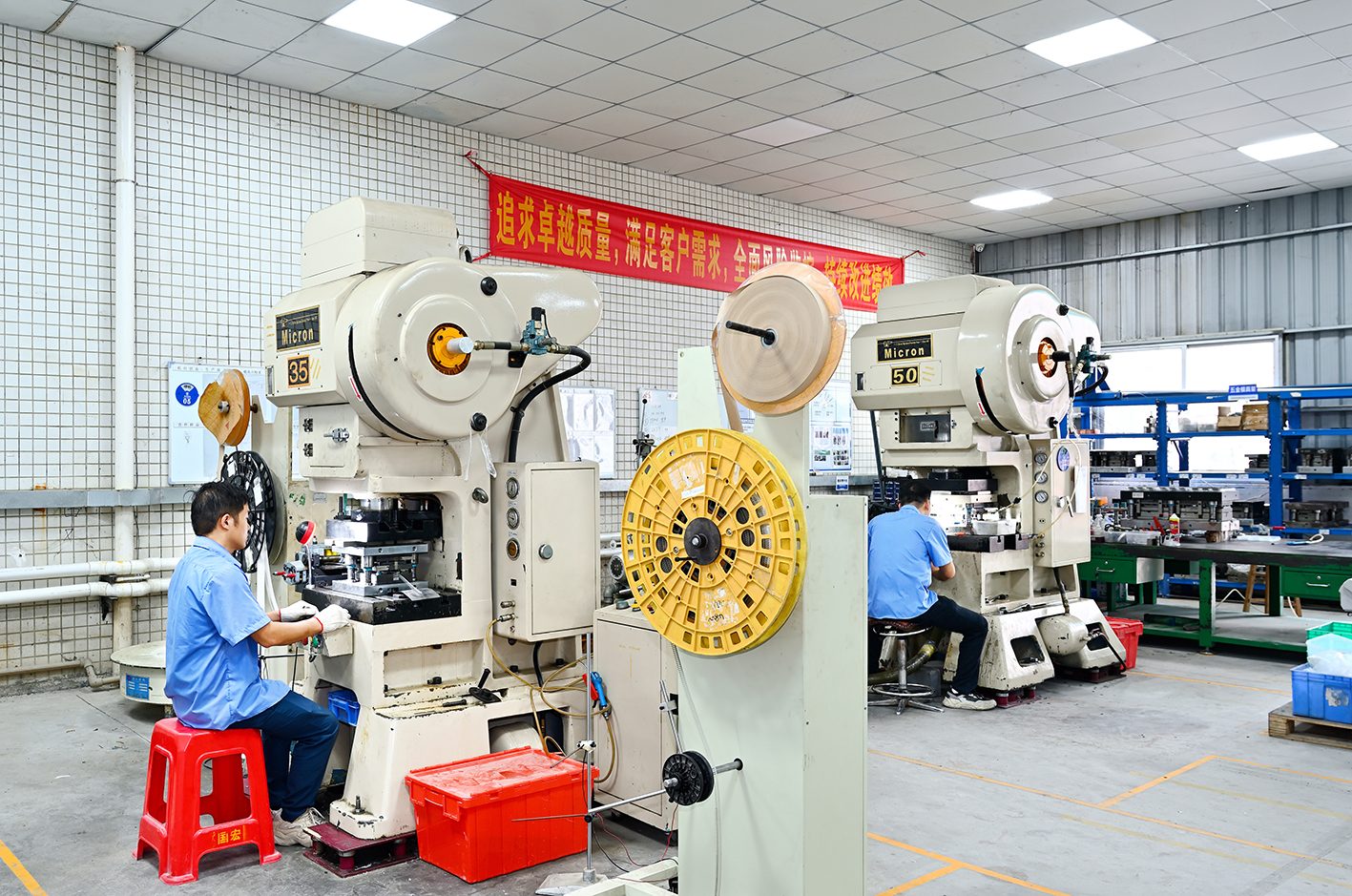
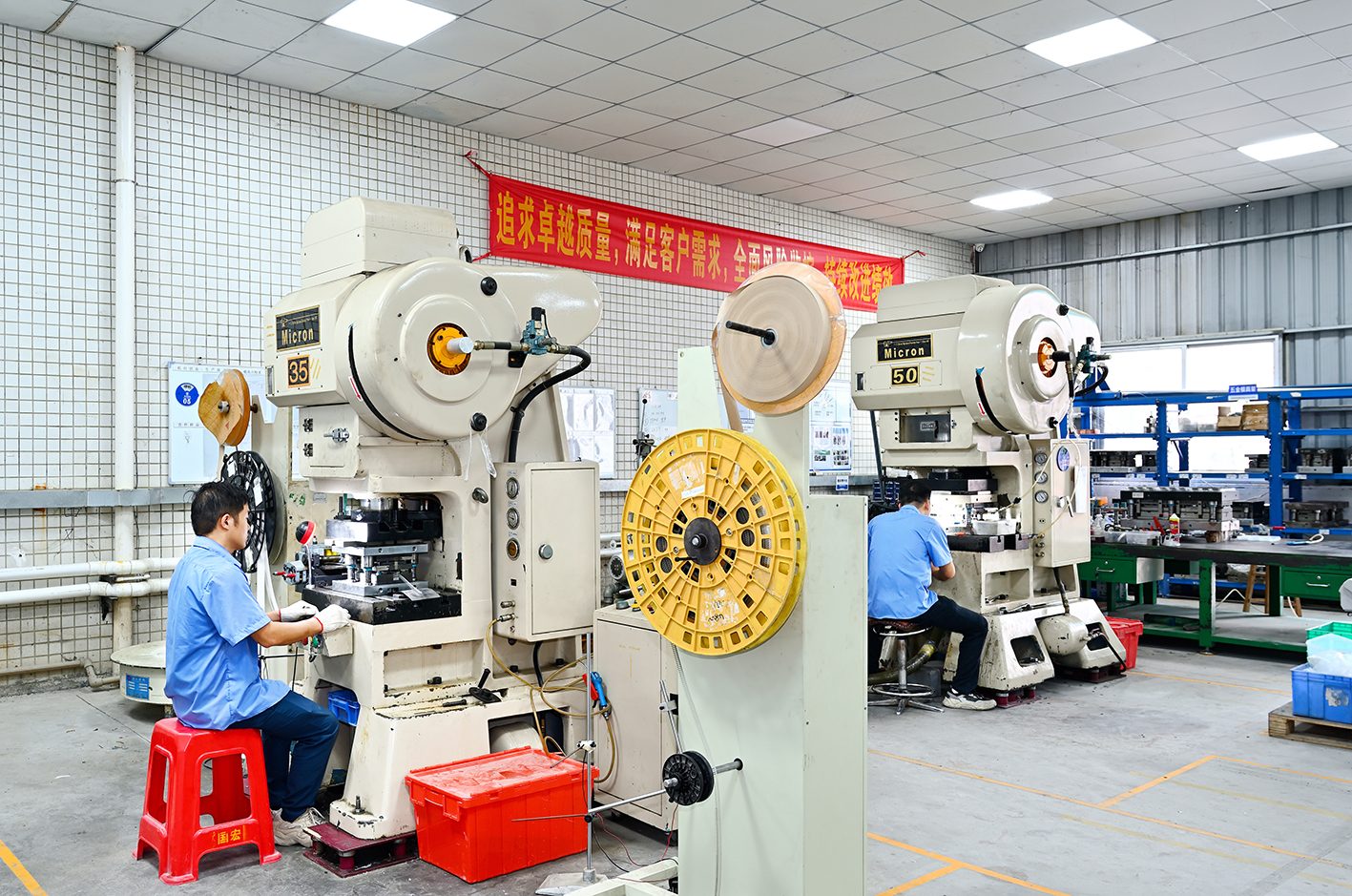
Tool and die design and manufacturing is the engineering backbone of every stamping program. ISTAMPING designs, builds, tries out and maintains custom progressive dies in-house, so the tool that cuts the first sample is the tool that runs the millionth part, proven on the presses it feeds. Die design, build, try-out and production support happen in one facility, which means tooling adjustments and changes are made in real time instead of being sent back to an outside shop.
CORE CAPABILITIES
Capabilities
- 3D CAD Progressive Die Design and Simulation
- In-House Die Manufacturing
- Complete Fixture Package
- 0.005 mm Tooling Precision
- Try-out and Qualification on Own Presses
- Die Export and Ownership Transfer
APPLICATIONS
Applications
- Automotive and Electric Vehicles
- Electronics and Electrical Equipment
- Aerospace
- Medical
- Solar and Telecommunications
DFM & ENGINEERING SUPPORT
Design for Manufacturability, Built In
Before tooling starts, our engineers review your drawing for material, tolerance, bend, and volume economics — and lock the process that will hold it across millions of strokes.
What We Review in Your Drawing
Machining die components to ±0.005 mm
Every punch, die section and pilot bushing must land within microns of the CAD model. Wire EDM, CNC machining and optical profile grinding, with CMM and optical verification before assembly, hold the precision that production tolerances depend on.
Predicting and compensating springback
High-strength steels and copper alloys spring back differently at every bend. 3D CAD simulation predicts the error, first-article measurements confirm it, and overbend and coining corrections are machined into the die before volume starts.
Keeping dies in spec over millions of strokes
Cutting edges dull and clearances open as a die accumulates hits. Stroke-counted resharpen schedules, die maintenance records and in-line vision on the presses catch wear while it is still a trend, not a scrap batch.
DFM to Production Flow
3D CAD Die Design and Simulation
Engineers design the progressive die off customer CAD files and simulate station sequences, strip layout, piloting and springback.
Component Manufacturing
Die components are machined with wire EDM, CNC machining and optical profile grinding to 0.005 mm positioning accuracy.
Assembly and Verification
Components are verified with CMM and optical measurement, then assembled with checking fixtures, inspection gauges and assembly fixtures.
Die Try-out and First-Article Inspection
The finished die is tried out on our own presses and first articles are inspected against the drawing before volume starts.
Production Support and Maintenance
Dies are maintained for the life of the program with resharpen schedules tied to stroke count, keeping output to print.
Qualification Release for Die Export
For tooling-only programs, the qualified die is released to the customer plant with try-out records, first-article reports and the full fixture package; maintenance and modification support continues from the tool room that built it.
Get a DFM Review of Your Part
Send us your 2D/3D drawing — receive a free DFM analysis and quote within 24 hours.
STEP / IGES / X_T / DWG / PDF
TECHNICAL CAPABILITIES
Tool & Die Manufacturing and Die Export: Specifications & Equipment
Part Specifications
| Specification Parameter | Automotive & EV Standard | High-Precision Custom |
|---|---|---|
| Die Design Time | Up to 3 weeks | Per drawing |
| Tooling Precision | 0.005 mm | Per drawing |
| Tool Room Capability | Wire EDM, CNC machining, waterjet | Per drawing |
| Prototype-to-Production | Seamless transition | Per drawing |
Press & Equipment
Design Software
3D CAD progressive die design & simulation
Manufacturing
Wire EDM | CNC | optical profile grinding
Fixtures
Checking fixtures, inspection gauges, assembly fixtures
Production Process
3D CAD Die Design and Simulation
Engineers design the progressive die off customer CAD files and simulate station sequences, strip layout, piloting and springback.
Component Manufacturing
Die components are machined with wire EDM, CNC machining and optical profile grinding to 0.005 mm positioning accuracy.
Assembly and Verification
Components are verified with CMM and optical measurement, then assembled with checking fixtures, inspection gauges and assembly fixtures.
Die Try-out and First-Article Inspection
The finished die is tried out on our own presses and first articles are inspected against the drawing before volume starts.
MATERIALS & COMPLIANCE
Materials We Stamp & Compliance Documents
Every program ships with material traceability and the quality documents buyers need for automotive and EV supply chains.
Brass
Common Alloys
Finishing
Copper
Common Alloys
Finishing
Phosphor Bronze
Common Alloys
Finishing
Need a Specific Alloy or Coating?
Tell us the material grade and finish — we confirm availability and certification before quoting.
🔒 MTC / CoC / RoHS available per lot
QUALITY ASSURANCE & INSPECTION
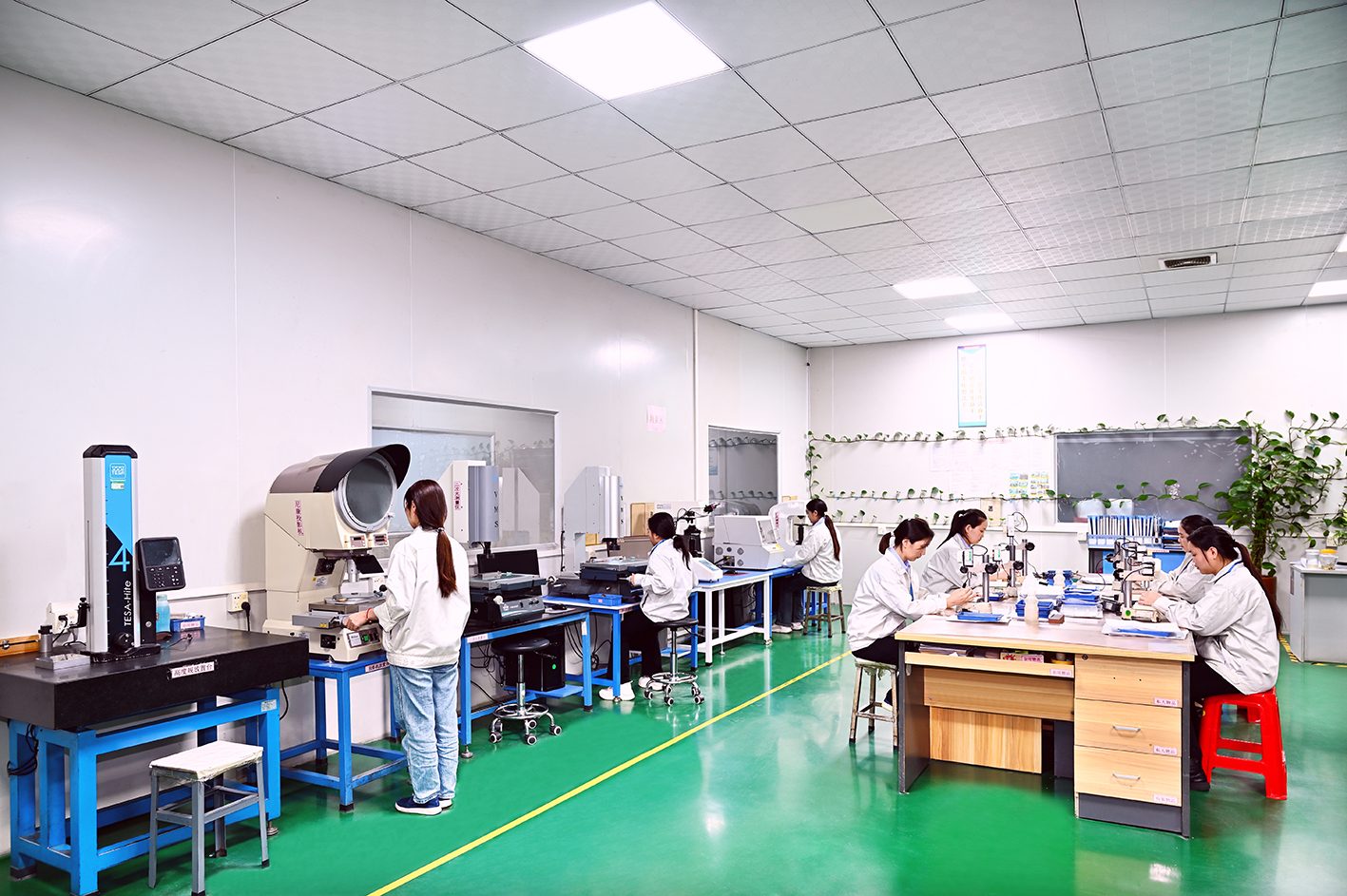
In-House Quality Lab, Verified on Every Lot
IATF 16949:2016 certified with CMM, optical measurement and in-line vision inspection at press speed.
 🔬 Inspection Hardware
In-House Quality Lab
- CMM & optical measurement for flat and 3D parts
- In-line vision systems inspecting at press speed
- SPC on critical features to catch drift as a trend
 🎯 Quality Standards
IATF 16949:2016 Certified
- IATF 16949:2016 automotive quality management
- ISO 14001:2015 environmental management
- PPAP documentation for automotive & EV programs
📜 TraceabilityFull Lot Traceability
- First-article inspection against the drawing
- Lot-level material traceability back to the coil
- Inspection records on every shipment
Download Sample Quality Control & Inspection Reports
Review our standard CMM inspection sheet, Material Composition Certificate, and RoHS report templates.
INDUSTRY CASES
Case Studies for Tool & Die Manufacturing and Die Export
EV Battery · Case Study
EV Busbar Case Study: Battery Pack Interconnects
High-volume busbar stamping for EV battery pack interconnects — tolerance, plating and delivery evidence.
Read the Case Study →Automotive · Case Study
Progressive Die Case Study: Automotive Terminal Program
A multi-million-piece terminal program run on progressive dies with SPC and PPAP evidence.
Read the Case Study →EV Charging · Guide
EV Charging Connector Stamping Guide
How precision stamping serves EV charging connector programs — materials, tolerances and plating.
Read the Case Study →ORDERING PROCESS & FREQUENTLY ASKED QUESTIONS
How to Order Tool & Die Manufacturing and Die Export & Frequently Asked Questions
📁 Step 1
Submit CAD & Specs
Send 2D/3D drawings (STEP, DWG, PDF) with quantity, material, and tolerance requirements.
⏱️ Step 2
24H DFM & Quotation
Our engineering team conducts DFM analysis and provides a competitive quote within 24 hours.
⚙️ Step 3
Precision Manufacturing
High-speed progressive die stamping, secondary forming, finishing, and surface treatment per your specifications.
✈️ Step 4
100% QC & Express Shipping
100% dimensional inspection, anti-corrosion packaging, and global express delivery.
What types of dies do you design and build?
Progressive dies are the core capability, plus the supporting fixture package: checking fixtures, inspection gauges and assembly fixtures. Dies are designed in 3D CAD with simulation and built in-house with wire EDM, CNC machining and optical profile grinding.
Do you design the dies yourself or work from customer prints?
Both. We design directly off customer CAD files with 3D CAD progressive die design and simulation, and our engineers will also develop the strip layout and station sequence if the customer provides part geometry only.
What precision can the tooling hold?
Die components are machined to ±0.005 mm positioning accuracy and verified with CMM and optical measurement before assembly, which is what lets the finished dies hold piloted positioning at ±0.005 mm in production.
What is the advantage of in-house tool and die manufacturing?
Design, build, try-out and maintenance stay in one loop with the presses that run the die. Tooling changes are made in real time, try-out findings go straight back into the die, and the program is not hostage to an outside shop's queue.
Do you support prototype-to-production tooling transitions?
Yes. Prototype parts can be made before the production die exists, then the production die is built, tried out on our own presses and qualified with first-article inspection, so the transition from sample to volume is seamless.
What is the difference between a press tool and a die?
In most shops the two words describe the same hardware: a press tool is the die set that fits a press, and we use the term for the complete package - die set, punches, pilots, strippers, springs and the fixture package. What matters commercially is who owns the tool and who proves it: we design and build press tooling in-house, try it out on our own 25 to 110 ton presses with first-article inspection, and either run it in production or release it to your plant under a die export program.
Can you maintain or modify existing dies?
Yes. The in-house tool room handles die repair, modification and resharpen schedules tied to stroke count, keeping burr height and dimensions inside spec across the life of the program.
Can we buy a die only and run it in our own factory?
Yes. Tooling-only programs are a standard format: the die is designed and built in-house, tried out and qualified on our presses with first-article inspection, then released to your plant with the fixture package and try-out records. If your line needs production support, our application engineers train against the same data set that qualified the tool.
Ready to Start Your Precision Stamping Program?
Send your drawing today for a free DFM review and detailed quotation within 24 hours.
🔒 100% Confidential | NDA Protected | 24H Response
RELATED PRODUCTS
Recommended for This Service
Terminals
Terminals are necessary to connect various circuits or systems. Sometimes called electrical connectors, these components are used to transfer electrical current from a power or grounding source to an electrical system.
View Product Specs →Lead Frames
Lead frames are precision stamped metal carriers used in semiconductor packaging - providing the electrical connection path between the die and the external circuit.
View Product Specs →Bus Bars
Busbars are flat conductive strips used to distribute electrical power within battery packs, power distribution units, inverters and charging infrastructure.
View Product Specs →