
Bus Bars
Busbars are flat conductive strips used to distribute electrical power within battery packs, power distribution units, inverters and charging infrastructure.
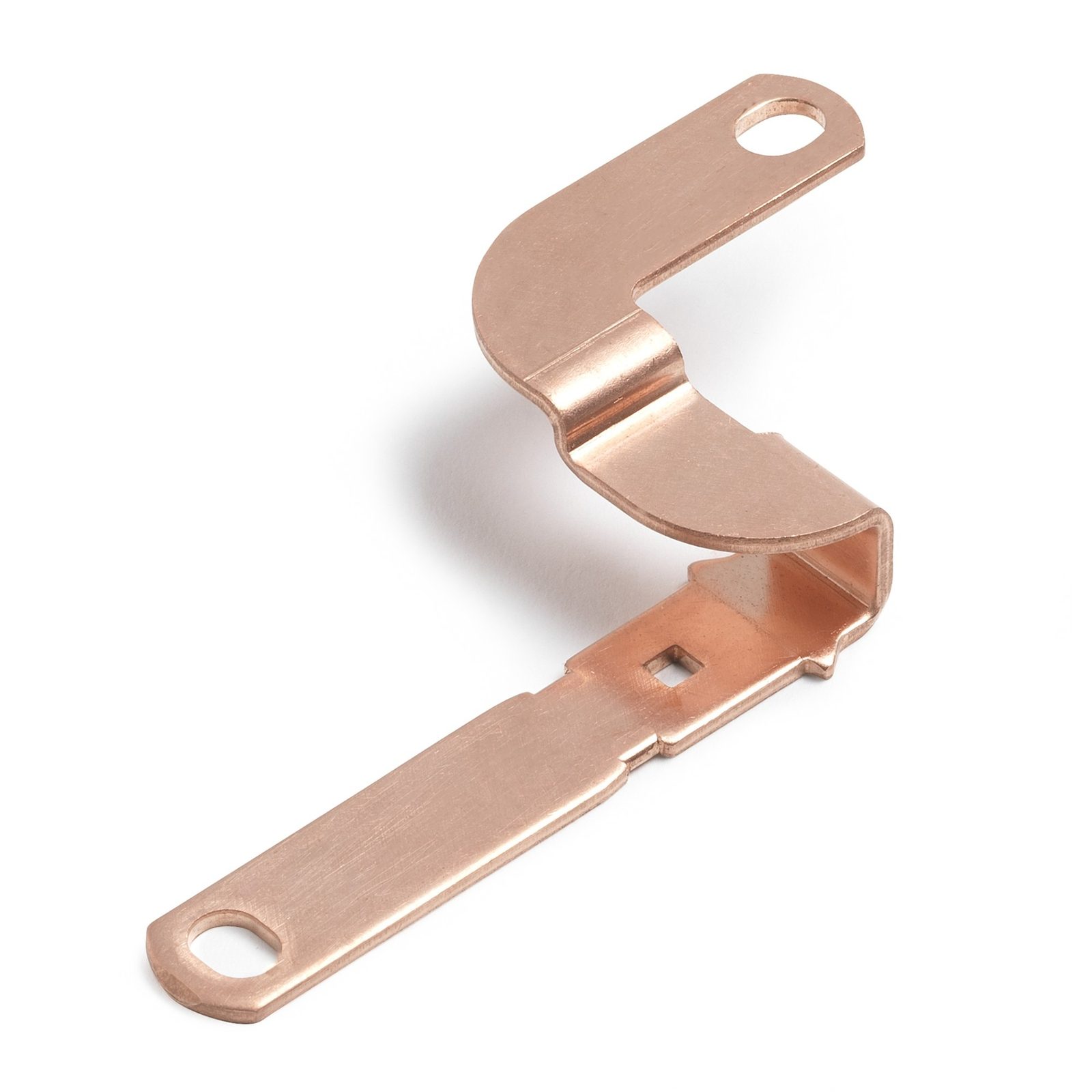
Browse the full stamped parts range for more details.
Why Bus Bars
Busbars are flat conductive strips used to distribute electrical power within battery packs, power distribution units, inverters and charging infrastructure.
- Busbar performance depends on cross-section consistency, flatness and plating quality. Our EV-specific tooling holds ±0.01 mm precision, and our qualified plating lines deliver uniform tin or nickel finishes that maintain low contact resistance over the product's lifetime.
- Stamped copper busbars offer a cost-effective, high-volume alternative to machined or formed busbars - with tight flatness and burr control for reliable high-current performance.
- ISTAMPING specializes in EV busbar solutions: stamped and formed copper busbars with managed tin or nickel plating, and optional insert molding for complete busbar assemblies.
EV-GRADE BUSBAR PRECISION
Busbar performance depends on cross-section consistency, flatness and plating quality. Our EV-specific tooling holds ±0.01 mm precision, and our qualified plating lines deliver uniform tin or nickel finishes that maintain low contact resistance over the product's lifetime.
Types of Bus Bars We Produce
Technical Specifications
Material thickness
0.10 – 3.0 mm
Positioning precision
±0.005 mm
Flatness
≤ 0.03 mm
Plating
Tin / Silver / Nickel (managed)
Press capacity
25 – 80 tons (high-speed)
Max strip width
Up to 650 mm
Common Materials
- C1100 / C10200 Copper
- C70250 (Corson) High-Performance Alloy
- C19900 Titanium Copper
- C5191 Phosphor Bronze
How We Manufacture Bus Bars
Design & Engineering
We engineer busbar cross-section, bend sequence and contact zones from your 3D model to ensure consistent current capacity and fit in the assembly.
Progressive Die Stamping
Busbars are stamped on high-speed progressive presses holding ±0.005 mm precision, with strip integrity maintained across long production runs.
Multi-Axis Forming
Bends, offsets and twist forms are produced with springback-compensated tooling so each busbar fits without stress - validated by CMM inspection.
In-Die Tapping & Inserts
Threads and inserts are integrated in-die or as secondary operations, reducing part count and assembly labor in battery and power systems.
Managed Plating
Reel-to-reel tin, silver or nickel plating delivers uniform, low-contact-resistance finishes that maintain performance over the product lifetime.
Inspection & Quality Control
Camera vision and CMM verification under IATF 16949:2016 confirm flatness (≤0.03 mm), burr control and plating quality before shipment.
Design-for-Manufacturability Support
Our engineers review your busbar at the quoting stage - cross-section, bend radii, plating zones - and recommend design-for-manufacturability changes that lower tooling cost while preserving current rating and fit. Existing dies can be taken over and optimized for our high-speed presses.
FAQ
Questions Buyers Ask
What materials are EV busbars made from?
We stamp C1100/C10200 copper, high-performance alloys such as C70250 (Corson) and C19900 titanium copper, and phosphor bronze - matched to your current and thermal requirements.
Can you manage plating for busbars?
Yes. Reel-to-reel tin, silver or nickel plating runs through our approved partner lines for uniform, low-resistance finishes that withstand EV operating conditions.
What flatness and precision can you hold?
Our EV-specific tooling holds ±0.005 mm positioning precision and ≤0.03 mm flatness, with CMM validation on critical dimensions.
Recommended Products
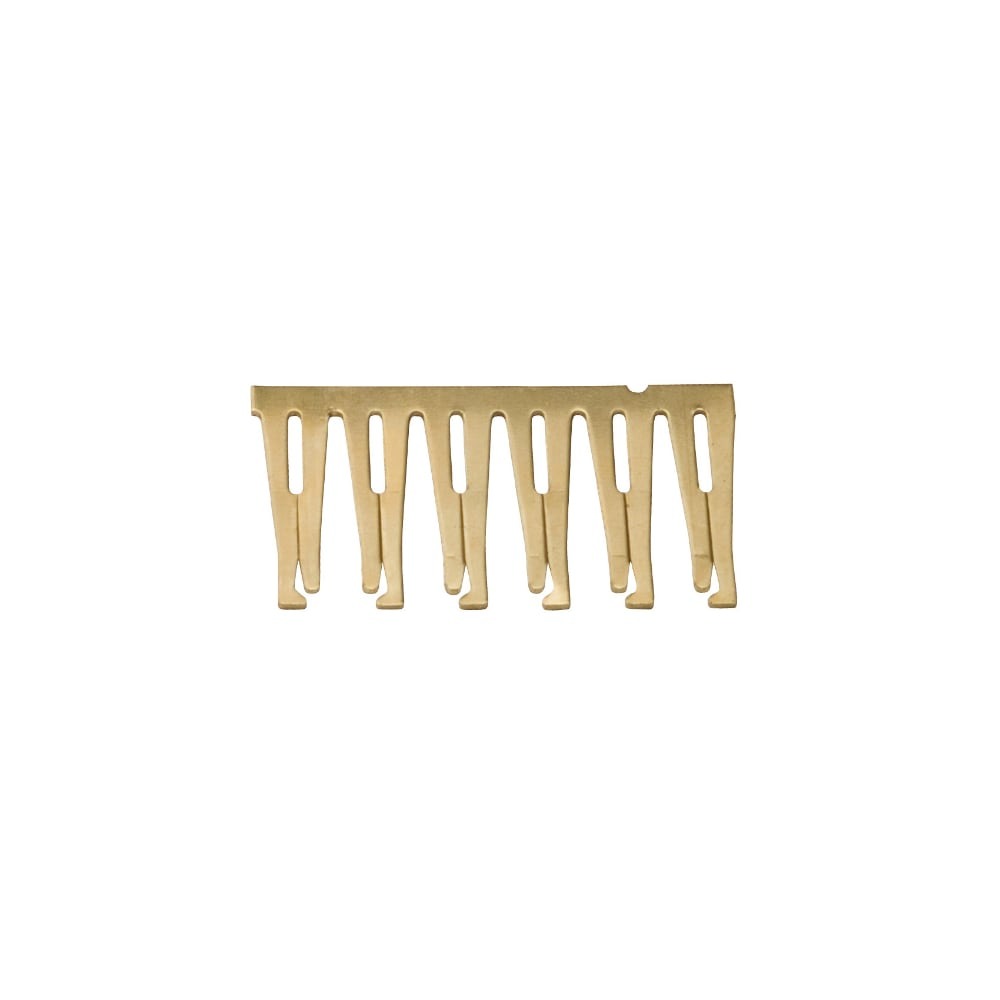
Terminals
Terminals are necessary to connect various circuits or systems. Sometimes called electrical connectors, these components are used to transfer electrical current from a power or grounding source to an electrical system.
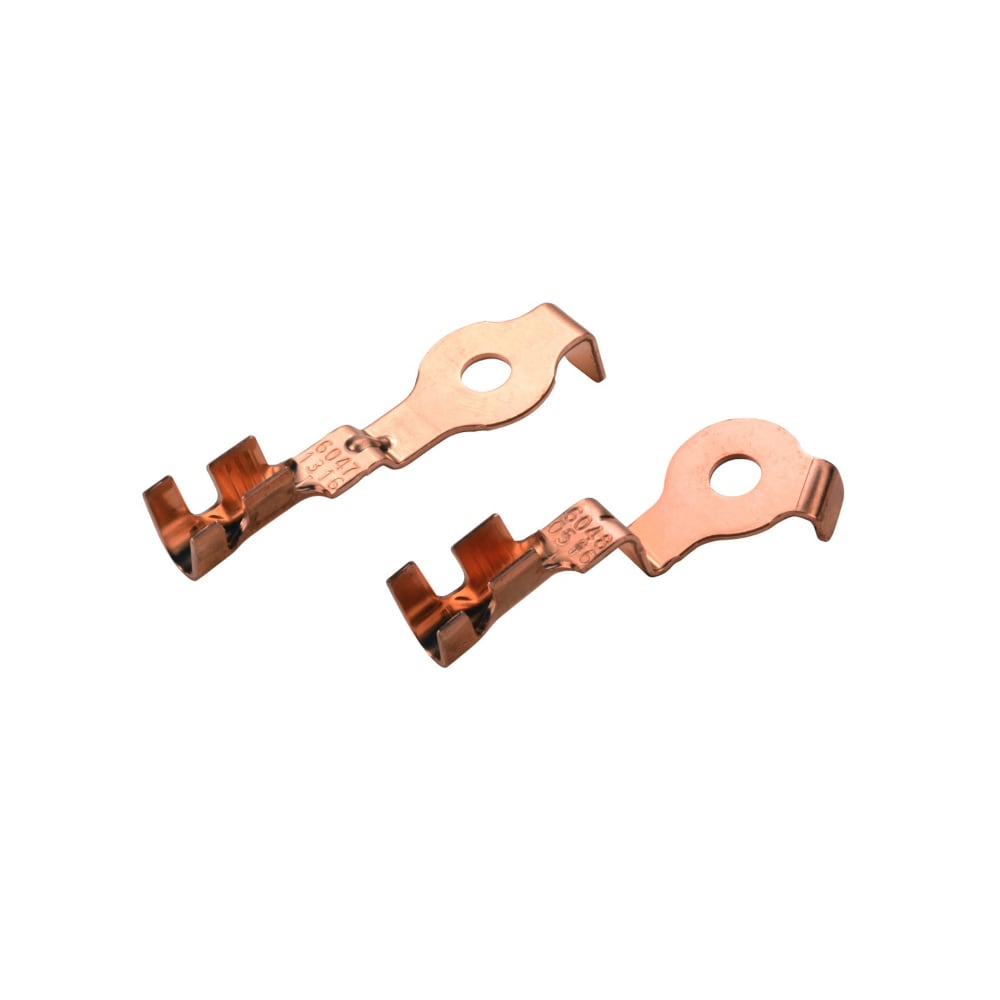
Wire & Cable Connectors
Wire and cable connectors, also known as crimp terminals, crimp wire connectors, crimp cable connectors and eyelet terminals serve a simple but essential purpose of connecting electrical wires and cables to other parts and modules within the entire electrical system of vehicles, appliances, control systems and other electrical applications.
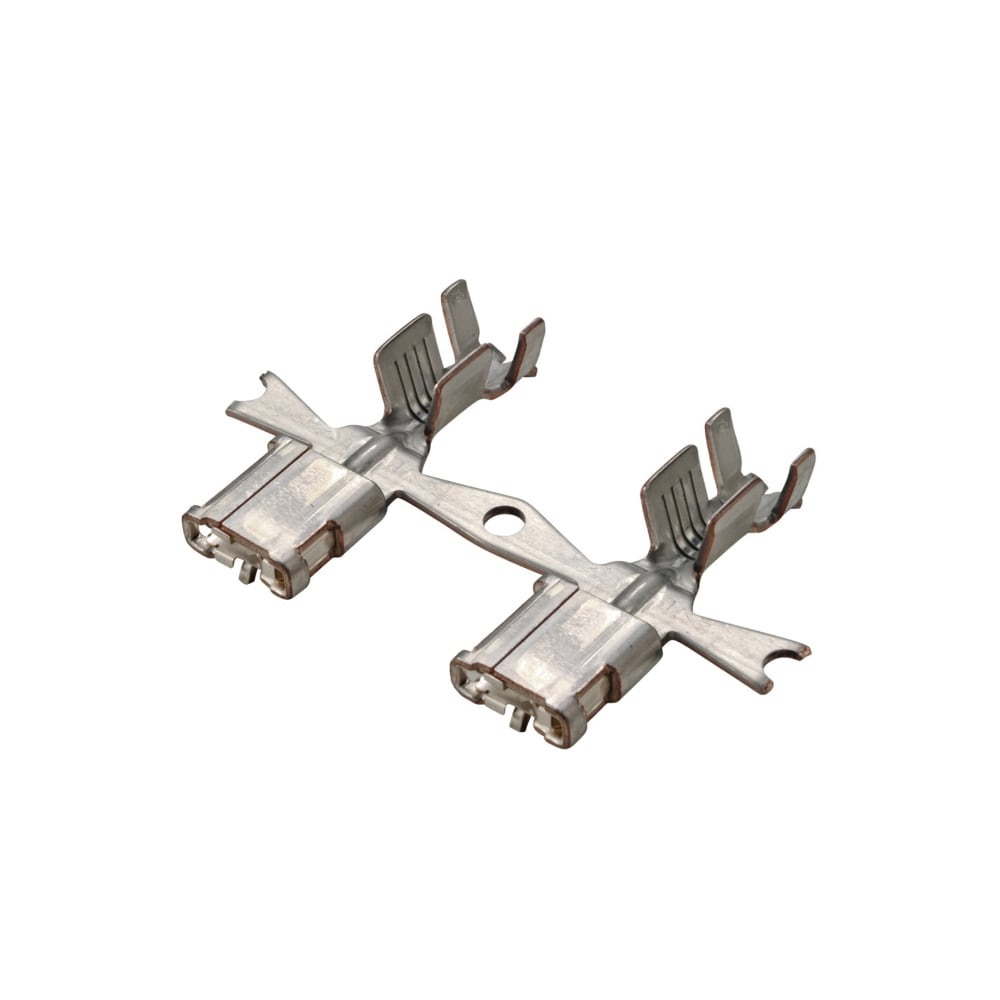
Assemblies
Assemblies are complete finished products or sub-assemblies built from multiple stamped components joined together - often combining metal stampings with plastic parts, hardware and inserts.