
Bent Busbars
Bent busbars are formed copper conductors with complex 3D geometry - multi-plane bends, offsets and twist forms that route power around obstacles in tight assemblies.
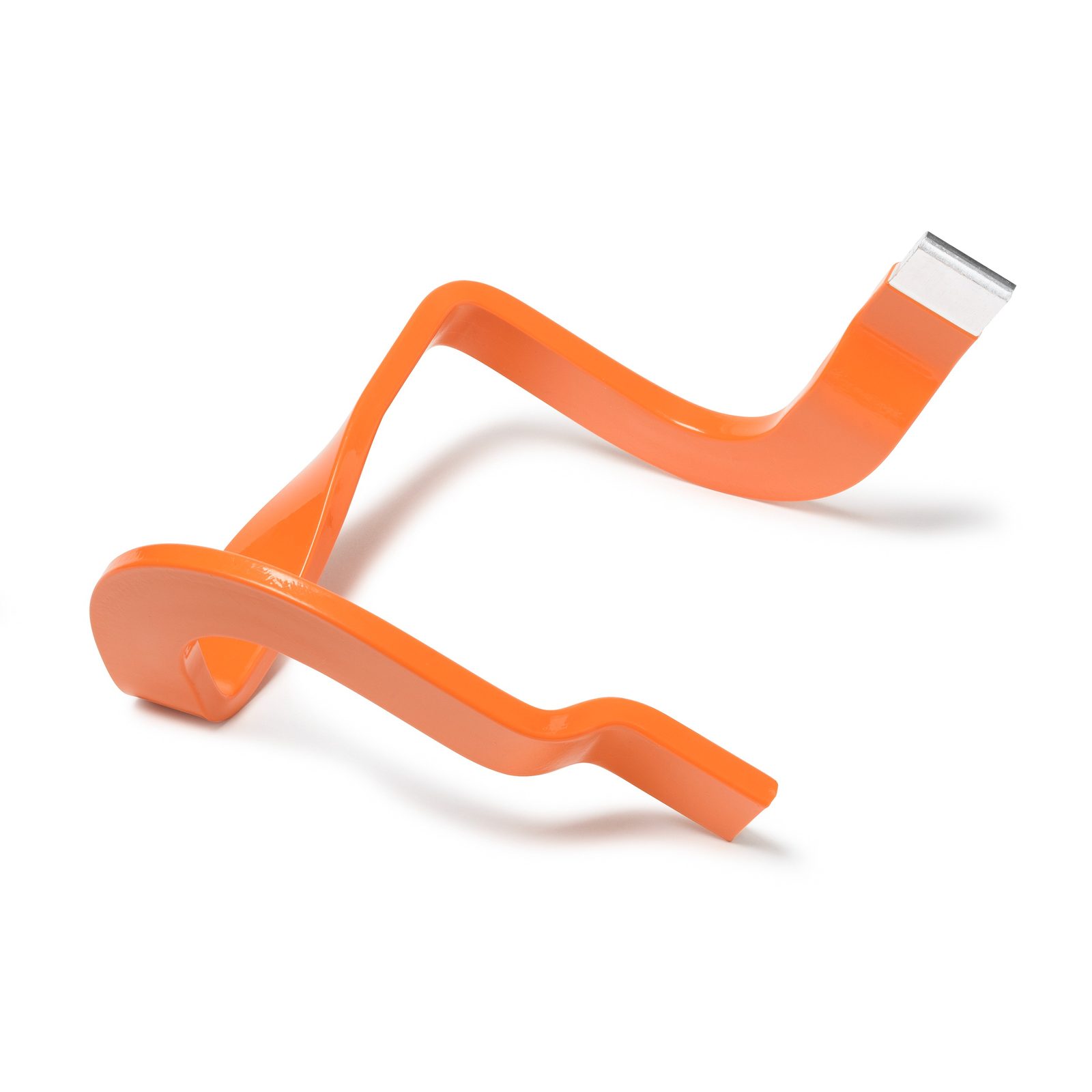
Browse the full stamped parts range for more details.
Why Bent Busbars
Bent busbars are formed copper conductors with complex 3D geometry - multi-plane bends, offsets and twist forms that route power around obstacles in tight assemblies.
- Bend accuracy and springback control are critical for bent busbars to fit assemblies without stress. Our forming dies are engineered with springback compensation, and CMM inspection validates every critical dimension to ensure consistent fit from part one to part million.
- Custom bent busbars reduce assembly labor and part count by eliminating separate connectors and jumpers in battery and power systems.
- ISTAMPING produces custom bent and formed busbars from prototype to high-volume production, combined with insert molding for complete busbar assemblies including plastic housings.
COMPLEX FORMING, CONSISTENT RESULTS
Bend accuracy and springback control are critical for bent busbars to fit assemblies without stress. Our forming dies are engineered with springback compensation, and CMM inspection validates every critical dimension to ensure consistent fit from part one to part million.
Types of Bent Busbars We Produce
Technical Specifications
Material thickness
0.10 – 3.0 mm
Bend radius (min)
0.5 × material thickness
Positioning precision
±0.005 mm
Flatness
≤ 0.05 mm over 100 mm
Cross-section
Up to 120 × 12 mm (Cu/Al)
Plating
Sn, Ni, Ag, tin-plated busbar
Common Materials
- C1100 / C10200 Copper
- C26000 / C36000 Brass
- Aluminum 5052 / 6061
- C5191 / C5210 Phosphor Bronze
How We Manufacture Bent Busbars
Design & Engineering
We model the 3D bend sequence and springback compensation before tooling, so multi-plane forms land on the drawing every time without stress cracking.
Progressive Die Tooling
Forming dies are built in-house with precision bend stations, offset and twist tooling engineered for the specific copper or aluminum grade and temper.
High-Speed Stamping & Forming
Bent busbars are stamped and formed in high volume with in-process monitoring, holding ±0.005 mm precision on critical features.
Plating & Molding
Selective tin, nickel or silver plating is applied where conductivity requires, and insert molding integrates plastic housings for insulated, ready-to-install interconnects.
Design-for-Manufacturability Support
Our engineers review your bent busbar at the quoting stage - bend radius vs material temper, springback, plating zones and molding interfaces - and recommend design adjustments that eliminate stress points and lower tooling cost without changing the electrical function.
FAQ
Questions Buyers Ask
What bending methods do you use for busbars?
We form copper and aluminum busbars using precision press braking, in-die forming and CNC rotary bending, holding tight bend radii and flatness across complex 3D geometries for EV and ESS power distribution.
Can bent busbars be combined with molding or plating?
Yes. We integrate bent busbars with insert molding for insulated links and apply tin, nickel or silver plating for conductivity and corrosion resistance - delivered as finished, ready-to-install interconnects.
What tolerances can you hold on formed busbars?
Critical features are held to ±0.005 mm on our high-speed presses and forming equipment, with camera-vision and sensor inspection verifying bend angle, flatness and hole position on every part.
What are typical lead times for bent busbars?
Prototypes are typically available in 2–3 weeks; production lead times depend on tooling and forming complexity. Share your drawings for a firm quote and schedule.
Recommended Products
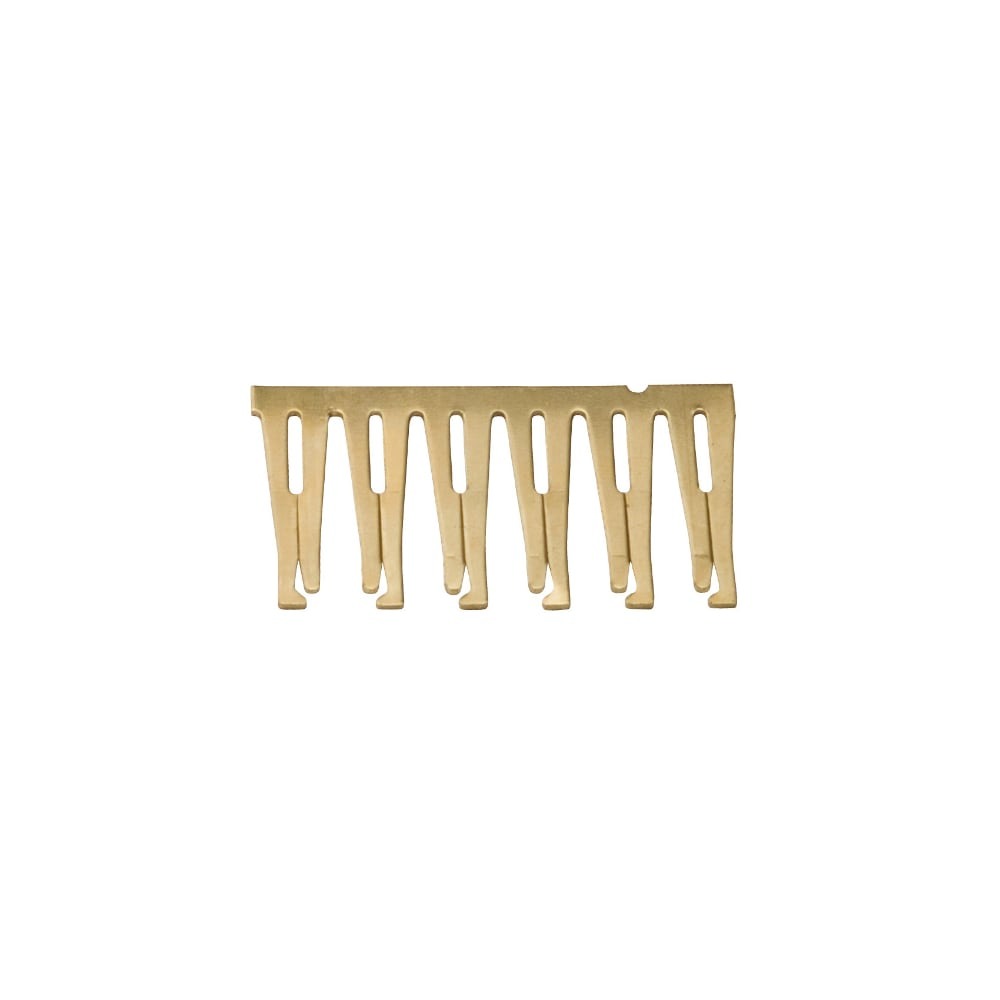
Terminals
Terminals are necessary to connect various circuits or systems. Sometimes called electrical connectors, these components are used to transfer electrical current from a power or grounding source to an electrical system.
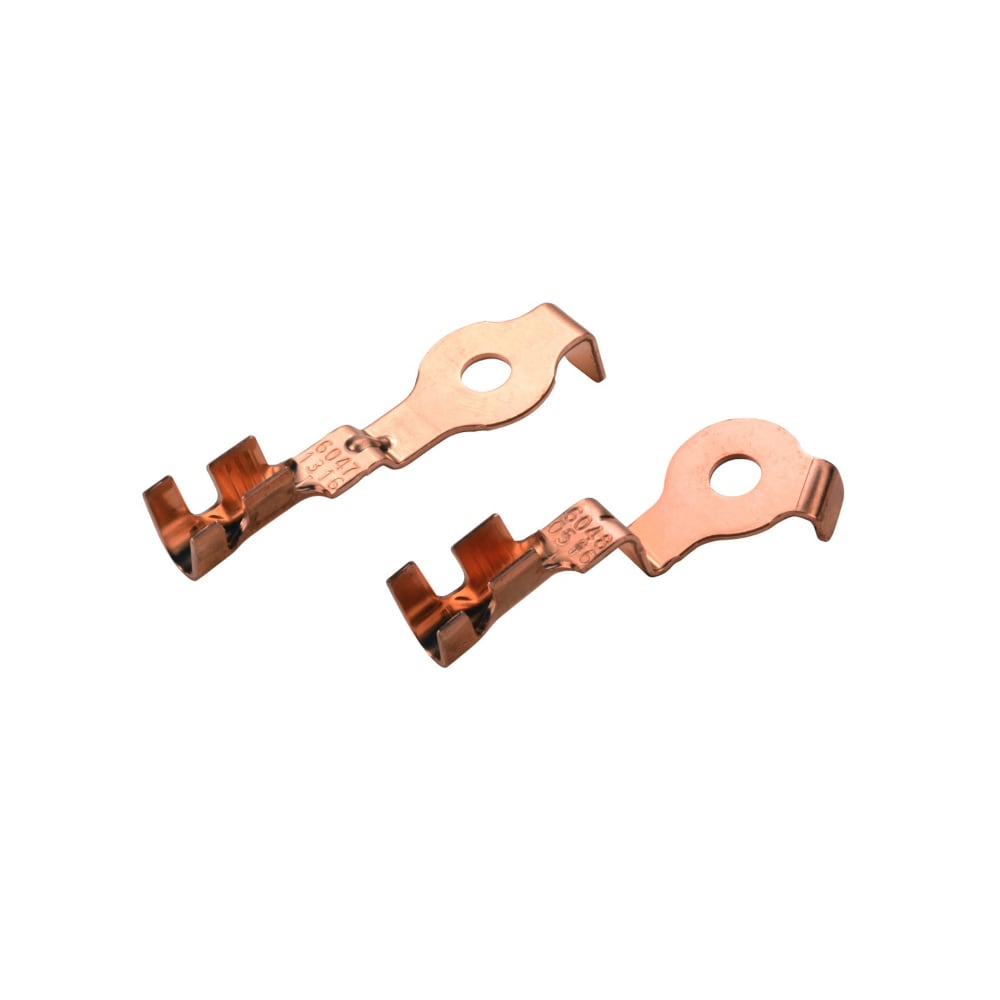
Wire & Cable Connectors
Wire and cable connectors, also known as crimp terminals, crimp wire connectors, crimp cable connectors and eyelet terminals serve a simple but essential purpose of connecting electrical wires and cables to other parts and modules within the entire electrical system of vehicles, appliances, control systems and other electrical applications.
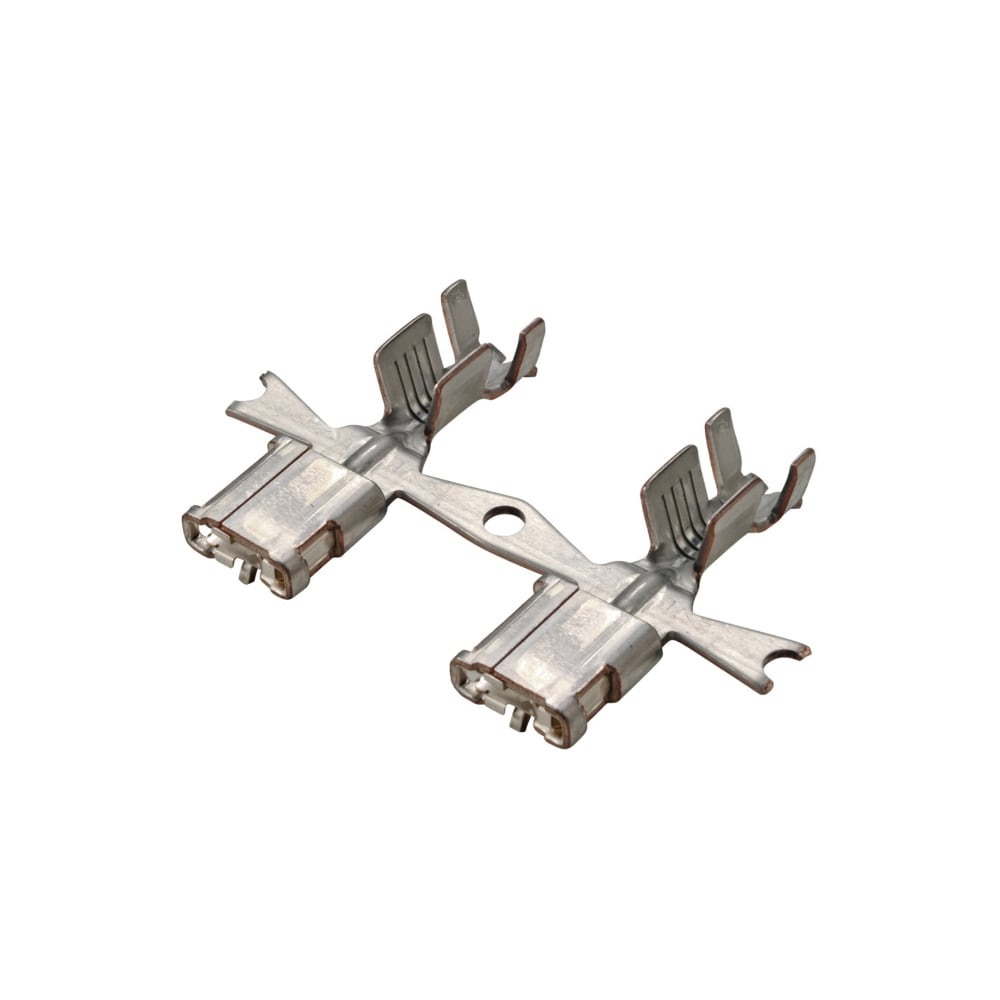
Assemblies
Assemblies are complete finished products or sub-assemblies built from multiple stamped components joined together - often combining metal stampings with plastic parts, hardware and inserts.