Cold-Rolled Steel Stamping — ±0.005 mm on 0.05–3.0 mm strip, up to 300 SPM
Progressive die stamping of cold-rolled steel brackets, chassis plates, laminations and enclosures — SPCC and DC01 coil from 0.05 to 3.0 mm, dies designed and built in our tool room, run on 21 presses from 25 to 110 tons at up to 300 SPM.
0.05–3.0 mm strip
±0.005 mm positional
up to 300 SPM
21 presses · 25–110 T
Fast Engineering ResponseNDA ProtectedSTEP / IGES / X_T / DWG
Cold-rolled steel is the commodity tier of stamped metal: cheap, dimensionally stable and easy to form. These four families cover most of the low carbon steel stamping that runs here, and each one has a different answer to the same question — what happens to the part after it leaves the press.
Brackets and mounting plates
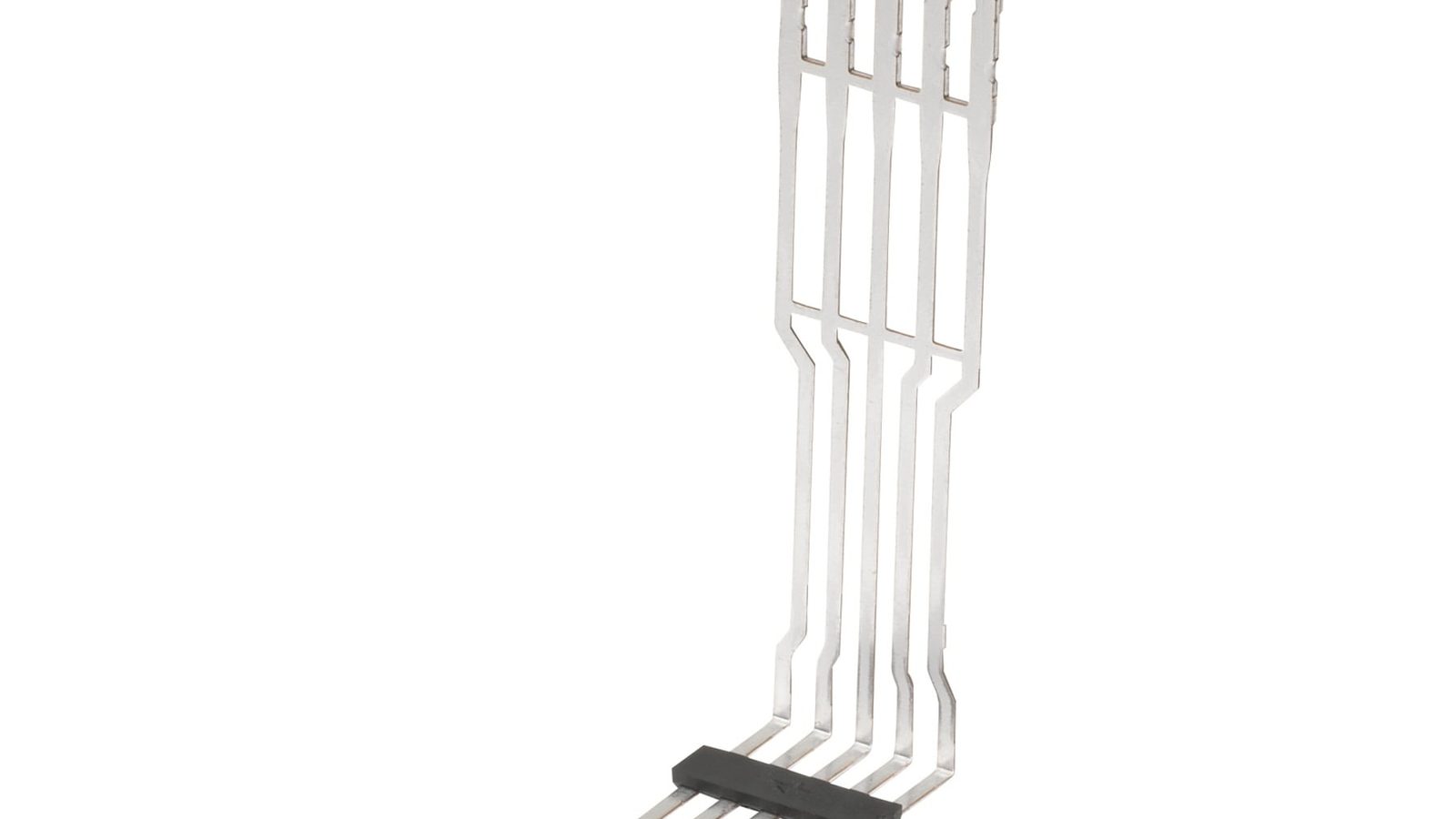
L-brackets, hangers, mounting plates and reinforcement straps from SPCC and DC01, usually 0.8 to 2.5 mm. Flat blanking plus two or three bends is where cold-rolled steel wins on price: the die is simple, the strip is stable, and blanks stack without bowing. Burr side is fixed at layout because these parts usually get painted or plated afterwards.
SPCC0.8–2.5 mmblanked + formedpainted / plated
Motor laminations and stator stacks
Lamination segments and full rings for small motors, transformers and relays, stamped from thin cold-rolled and electrical grades at the low end of our thickness range. Flatness is the whole game here: stacked laminations multiply any bow, so coil set, straightener setting and die entry are controlled together, not separately.
0.35–1.0 mmflatness ≤0.03 mmstacked cores
EMI shields, cans and covers
Shallow drawn cans, covers, back panels and shield boxes from 0.2 to 1.0 mm strip. Cold-rolled steel draws predictably and solders easily, but it is not corrosion-resistant on its own — exposed shield parts need tin, nickel or zinc before assembly, and that decision changes the die entry and the handling route.
0.2–1.0 mmdrawntin / nickel / zinc
Coined discs, spacers and valve parts
Thin discs, spacer rings, orifice plates and pump valve parts where the coin sets thickness and flatness in one hit. The 0.5 mm ring on 1.0 mm parent stock is a die problem, not a grinding problem — we thin it under the press, then control flatness after plating so the disc still seals.
1.0 → 0.5 mm coined0.01 mm flatnessmedical / pump valves
INSIDE THE PLANT
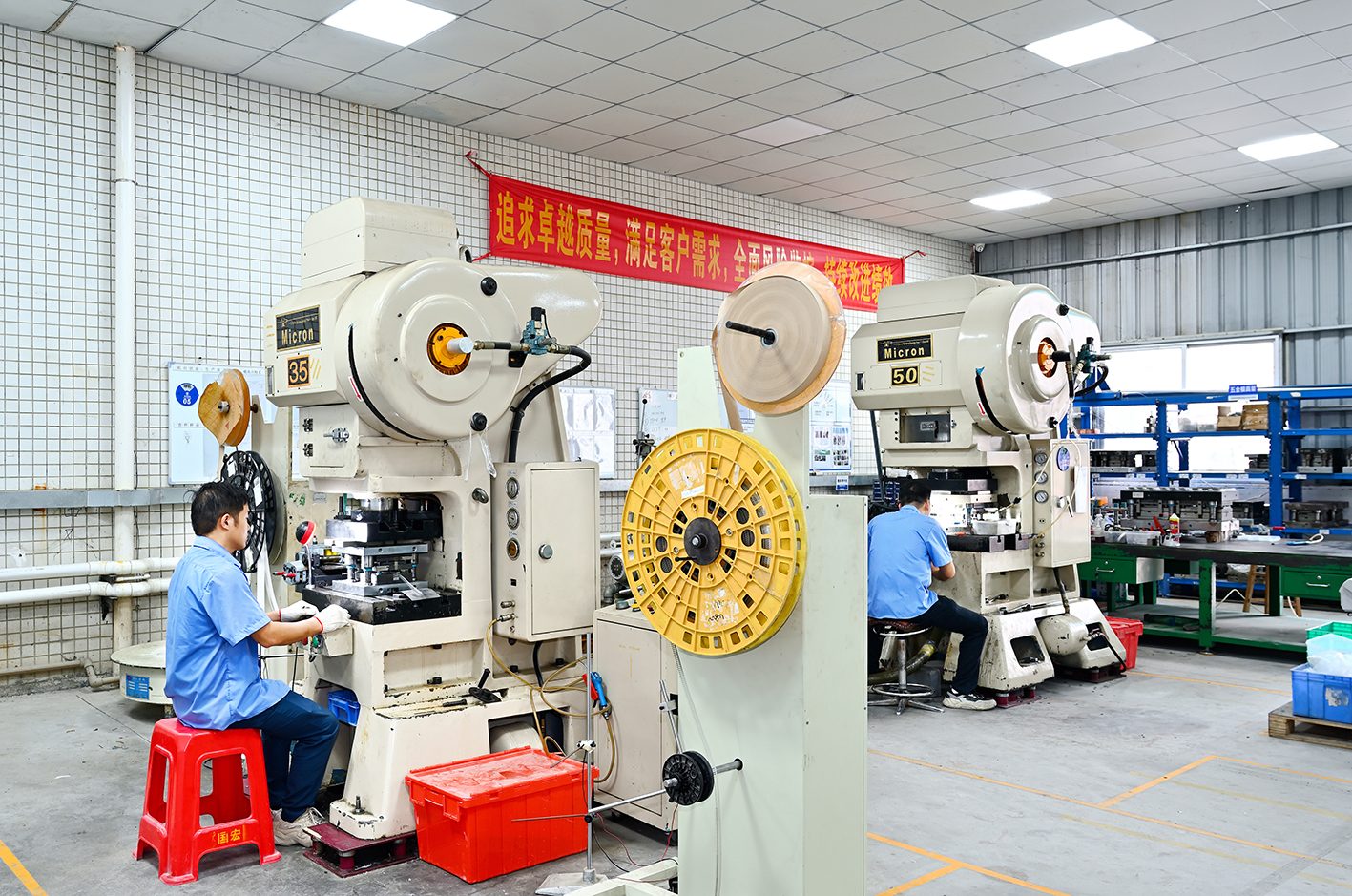
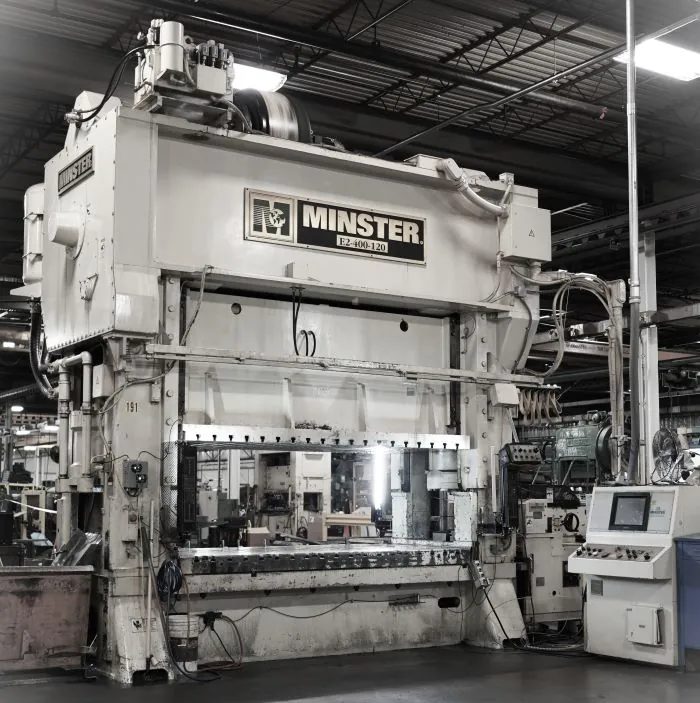
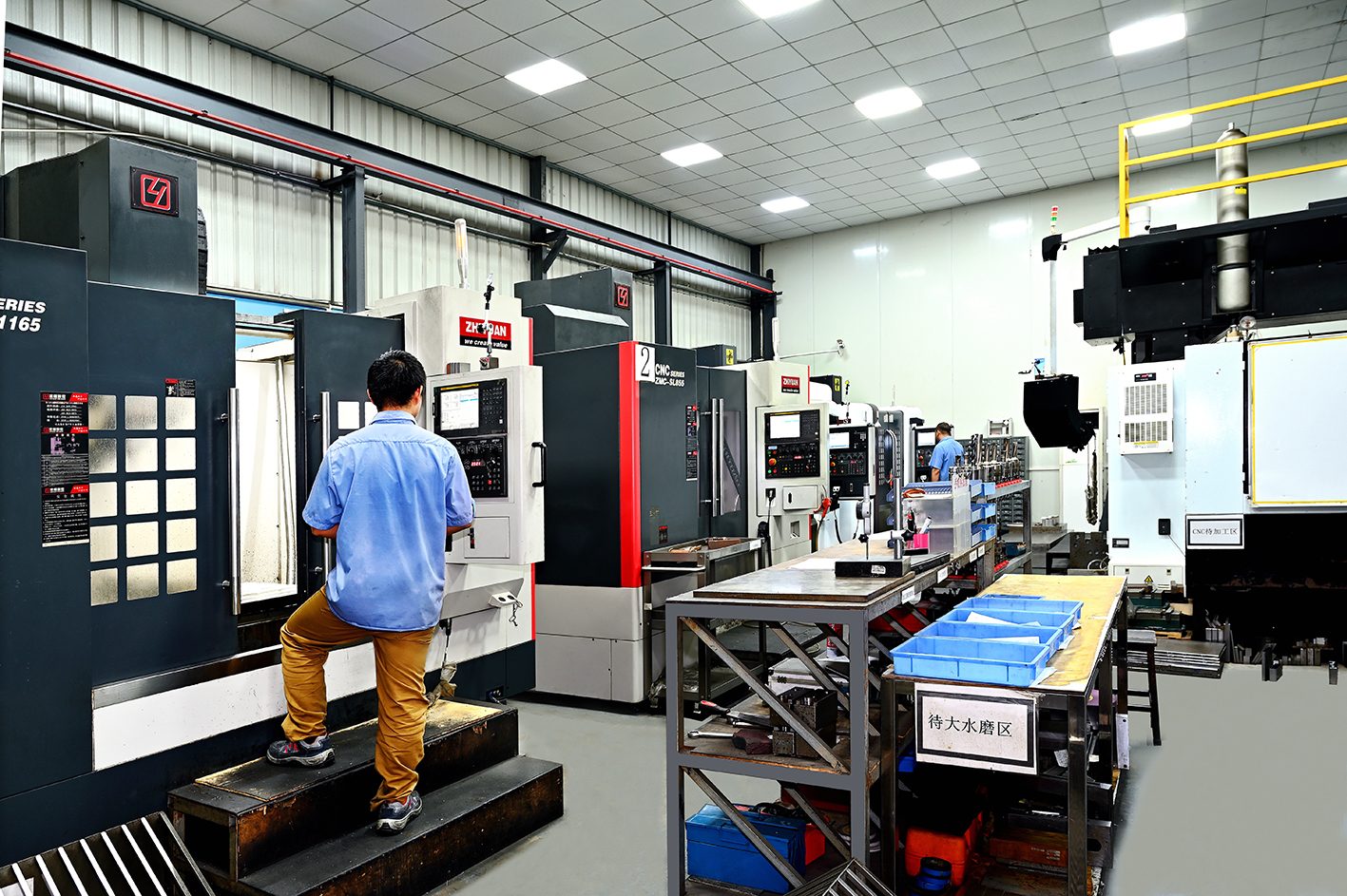
Cold-Rolled Steel Stamping Lines, Tool Room and Inspection Floor
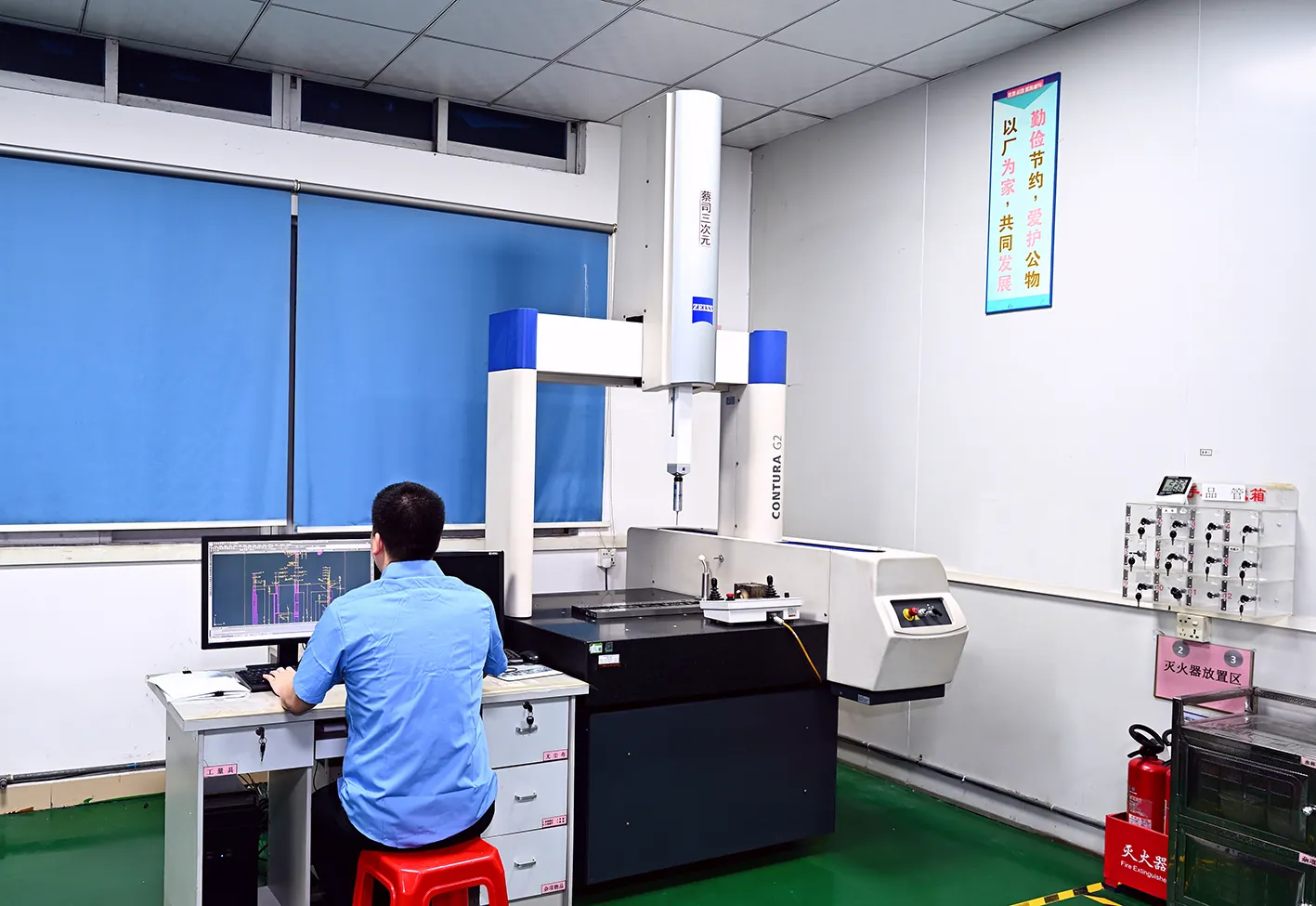
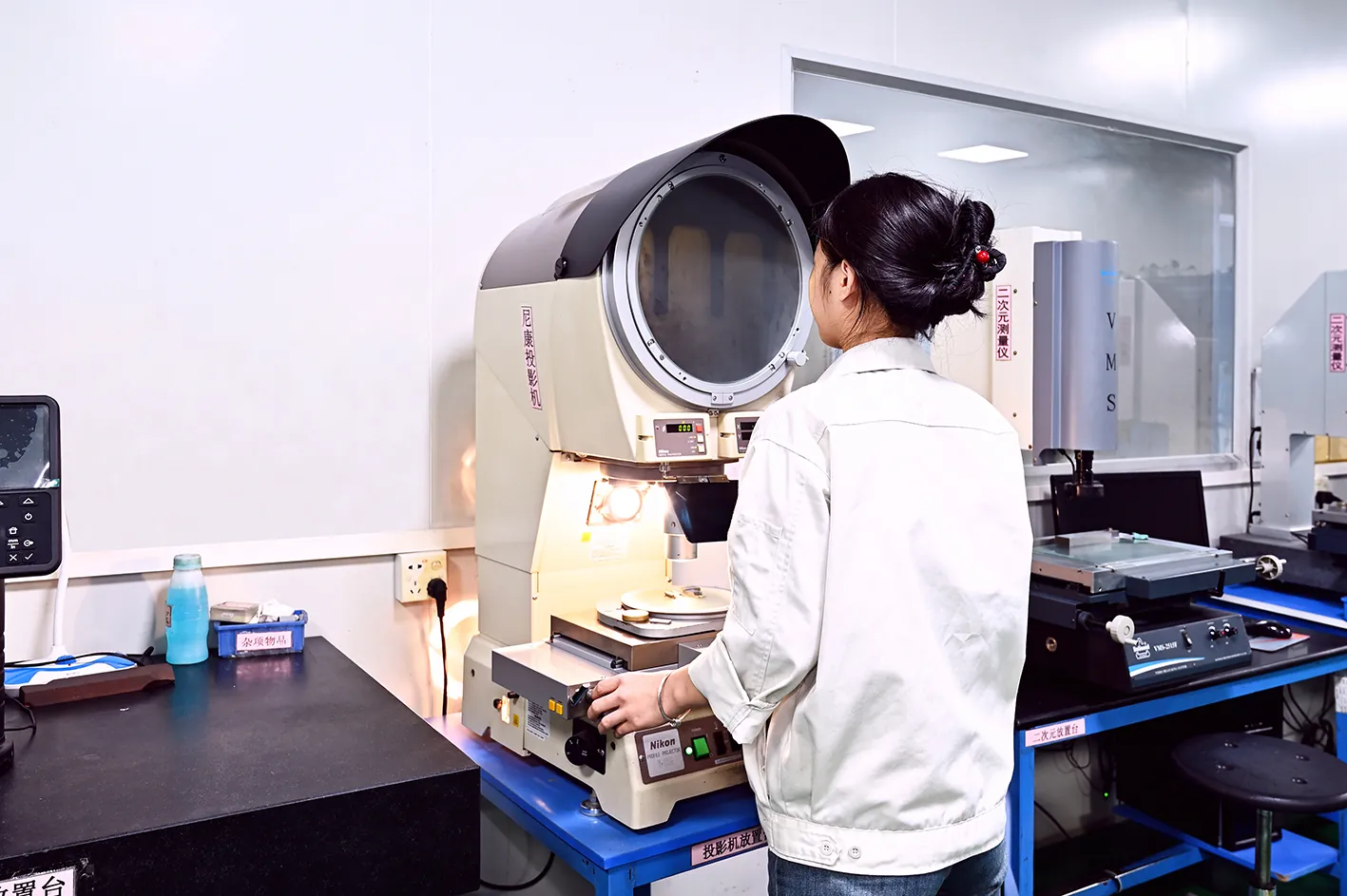
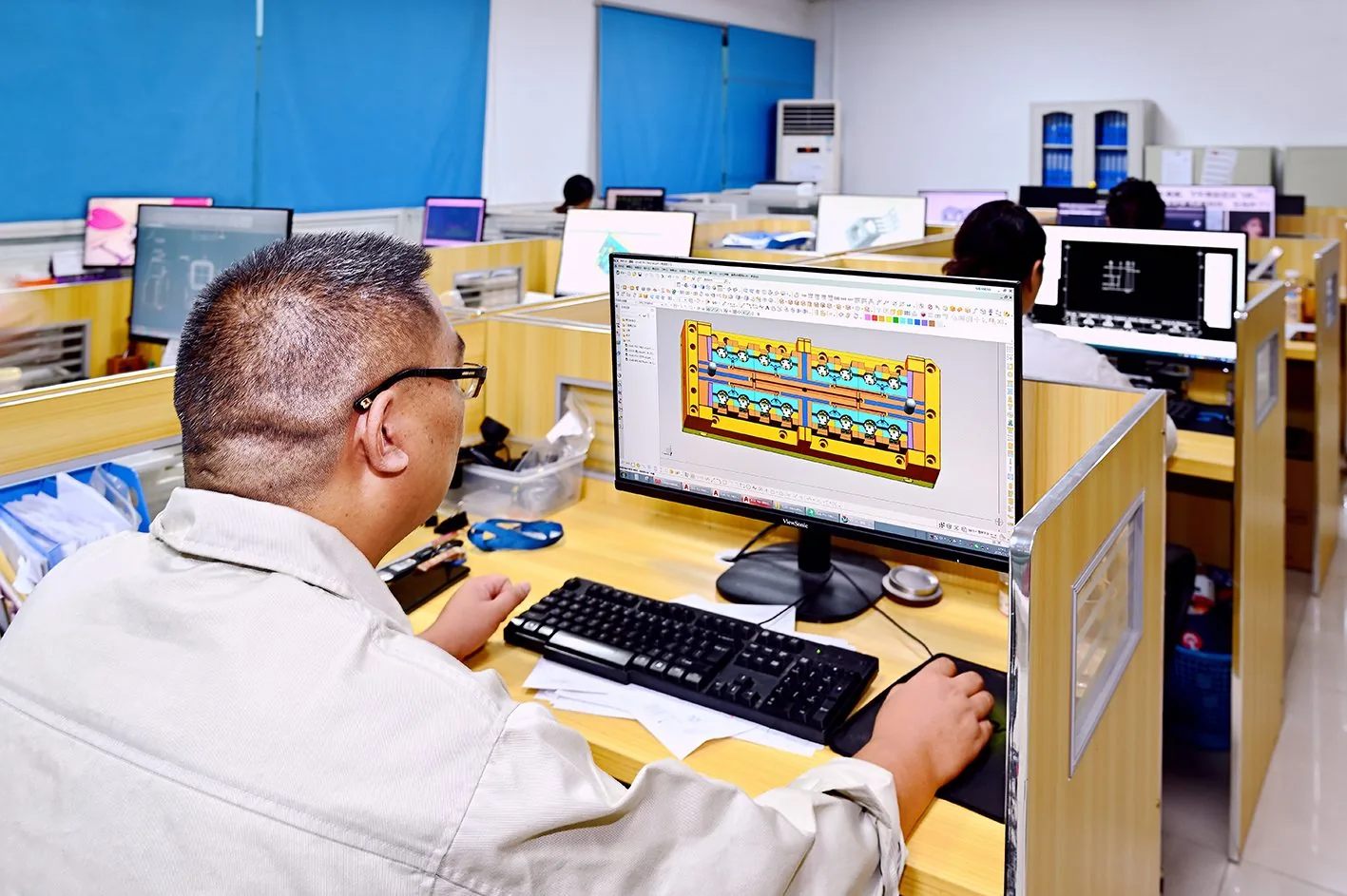
Real equipment and inspection floor from our Dongguan plant — 25–110T high-speed presses, in-house tool room, and a CMM lab running first-article inspection on every program.
WHERE COLD-ROLLED STEEL GOES WRONG
What Makes Cold-Rolled Steel Harder to Stamp Than It Looks
Cold-rolled steel is the material everyone quotes first and the one that quietly ruins programs: no coating to hide a scratch, no alloy to forgive a bad radius. These are the four failures we engineer out before the first production coil.
01
Springback of one to two degrees
The Challenge
Low-carbon cold-rolled steel springs back roughly one to two degrees on a 90° bend, and the exact number moves with yield strength, radius-to-thickness ratio and where the bend sits relative to the rolling direction. A die cut to nominal produces an open angle, so the operator shims it and the angle drifts lot to lot.
Our Solution
Bend stations are compensated on the die drawing for the grade and temper on the purchase order, with a coining or restrike station where the angle is critical. Formed angles are proven on the actual production coil at first article on the CMM, and the angle is on the SPC chart, not left to operator feel.
02
Burr on a part that gets plated or painted
The Challenge
Cold-rolled steel leaves a burr on the punch side, and on a 0.5 mm bracket that burr is a coating defect waiting to happen: paint pulls thin over a torn edge, zinc builds unevenly, and an assembly operator cuts a glove. The part still passes dimensional inspection while failing at the coating line.
Our Solution
The burr side is fixed on the die layout and die clearance is set per station by strip thickness. Punch and die edges are sharpened on a counted-stroke schedule rather than after a reject, and deburring, ultrasonic cleaning and laser marking run in-house so the edge condition is controlled before the parts reach a plater.
03
No coating means no forgiveness
The Challenge
Bare cold-rolled steel corrodes the moment humidity and handling meet it — fingerprint marks at the press, white rust in a shipping container, flash rust on a pallet that sat on a dock. It is the one failure mode stainless and galvanized parts never see, and it is decided by the finish route, not by the press.
Our Solution
The finish route is agreed at DFM: zinc or nickel plating, liquid or powder paint through qualified partner lines, or a switch to pre-coated SECC or SGCC strip when the part is exposed. Parts that will sit in inventory get interleaved packing and a defined shelf life instead of a guess.
04
Die wear is gentle, which is the trap
The Challenge
Cold-rolled steel is kinder to tooling than stainless — no work hardening, little galling — so dies last, and that is exactly the trap. A die that runs for years without a dimensional complaint gets no attention until the punch radius has already worn, and then the blank shifts all at once.
Our Solution
Every die carries a counted-stroke maintenance schedule and a spare insert set for the stations that wear first. Wear is watched as a burr trend and a dimension trend in the same inspection loop, so a punch change is a planned tool room job with the press down for hours, not a scrapped coil found at final.
HOW WE STAMP IT
What We Hold in Production
The values we quote and inspect against on cold-rolled work. They come from the press fleet and the tool room, not from a marketing sheet, and nothing here is a range the press cannot hold.
Specification Parameter
What We Hold
How It Is Controlled
Strip thickness
0.05–3.0 mm
Coil certificate plus in-process thickness and flatness check
Positional tolerance
±0.005 mm on piloted features
First-article CMM at 0.001 mm resolution
Stamping speed
up to 300 SPM
Press matched to the part, not to the calendar
Press fleet
21 presses, 25–110 tons
Thin brackets on high-speed frames, heavy plate on larger presses
Dies
100% designed and built in-house
30 machining machines behind the tool room
Quality system
IATF 16949:2016 · ISO 9001:2015 · ISO 14001:2015
PPAP, material certificates, lot traceability
Inspection
20 inspection stations
CMM, optical and profile, in-line CCD on critical features
Finishing and surface
zinc, nickel or paint — deburring in-house
Edge condition controlled before parts reach a qualified plater
TOOL ROOM
Die design and build
Progressive and blanking dies designed, machined and tried out under one roof — where springback, burr and coil set are actually solved.
PRESSES
21 presses, 25–110 tons
Thin cold-rolled brackets on the high-speed frames at up to 300 SPM; heavier plate from 1.5 to 3.0 mm on the larger presses.
INSPECTION
CMM, optical and CCD
First-article CMM at 0.001 mm, optical and profile for edges and radii, in-line CCD vision on the dimensions the drawing controls.
FINISHING
Deburr, clean and mark
In-house deburring, ultrasonic cleaning and laser marking, with zinc, nickel and paint managed through qualified partner lines and incoming inspection.
From Drawing to Production
01
DFM review
Grade and thickness, bend radii, burr side, tolerance stack and finish route settled before a die is cut — including whether the part should be galvanized strip instead.
02
Die build
Progressive or blanking layout with piercing, forming and coining combined; die machined and assembled in our tool room.
03
Try-out and first article
Run on the production coil, formed angles and flatness verified on the CMM, PPAP documentation raised.
04
Production and SPC
Counted-stroke tool maintenance, in-line vision on critical features, SPC on the dimensions the drawing controls, finish route on schedule.
STRIP AND SUPPLY
Cold-Rolled Strip: Grades, Surface and Supply
We are a stamper, not a steel service center — we do not sell coil. We pick the right grade, temper and surface for the part, then quote material plus conversion with the mill certificate on file.
Grade ladder: SPCC, DC01, DC03
SPCC is the commercial grade and the cheapest thing that will do the job on most brackets. When the part draws deeper, DC01 and then DC03 carry better elongation, so the wall thins less at the corner and the blank does not split. Naming the right rung saves more money than shopping for coil.
Bare, oiled or pre-coated
Cold-rolled arrives oiled, and that oil is a process input, not dirt — it is matched to the die and washed off before plating or paint. If the part is exposed, pre-coated SECC or SGCC strip skips the plating step entirely; if it is hidden, bare stock plus paint is cheaper.
You supply or we procure
Either you supply coil to your own specification, or we buy the grade, temper, width and surface you name and quote material plus conversion, certificate on file. If the grade is still open, we recommend between SPCC, SPHC, DC01, DC03, 1008 and 1010 before tooling.
Grades we run
SPCCSPHCDC01DC0310081010
BEFORE YOU SEND THE DRAWING
DFM Checklist for Cold-Rolled Steel Stampings
Eight checks worth making on a cold-rolled drawing before tooling — the ones that decide whether the part is a cheap bracket or an expensive argument about springback and burr.
Bend radius: one times strip thickness or more on low-carbon cold-rolled stock — tighter radii crack on the outside fibre, and the crack usually shows up after plating.
Bend angle: state the angle you need after springback, not before. One to two degrees has to be built into the die, so say which formed angles are critical.
Hole diameter: at least one times strip thickness for punched holes; smaller punches snap and the hole wall tears, which is worse on cold-rolled than on brass.
Hole-to-bend distance: two times strip thickness minimum from hole edge to bend line, or the hole pulls oval as the bend forms.
Burr side: name the face where burr is acceptable. On a part that gets painted, plated or slides against a mating surface it usually is not, and the die layout fixes it before quotation.
Bend line versus rolling direction: bend across the rolling direction where you can — bending along it raises edge cracking and doubles the angle variation.
Finish route: say whether the part is plated, painted or used bare, and if it is exposed ask whether pre-coated strip is acceptable — it changes die entry, deburring and packing.
Flatness: give a flatness limit if parts stack, weld or seal. Coil set and straightener setting are the levers, and a limit added after tooling usually means a new die entry.
How to Order Cold-Rolled Steel Stampings & Frequently Asked Questions
From drawing to delivered parts: a four-step path with engineering review at the front and 100% dimensional inspection at the back — then the questions buyers ask us most.
Step 1
Submit CAD & Specs
Send 2D/3D drawings (STEP, DWG, PDF) with quantity, material, and tolerance requirements.
Step 2
DFM Feedback & Quotation
Our engineering team conducts DFM analysis and follows up with a competitive quote after the review.
Step 3
Precision Manufacturing
High-speed progressive die stamping, secondary forming, finishing, and surface treatment per your specifications.
Step 4
100% QC & Express Shipping
100% dimensional inspection, anti-corrosion packaging, and global express delivery.
01
Do you supply the cold-rolled steel, or do we?
Either. We are a stamper, not a steel service center. You can supply coil to your own specification, or we procure the grade, temper, width and surface you name and quote material plus conversion, with the mill certificate on file.
02
Which cold-rolled grades do you run?
SPCC, SPHC, DC01 and DC03 are the grades we run most, plus 1008 and 1010 commercial-quality low-carbon strip. If the drawing names another grade, send the spec and we confirm stampability before quoting.
03
What is the thinnest cold-rolled steel you can stamp?
0.05 mm at the thin end, 3.0 mm at the heavy end of our range. Cold-rolled coil rarely goes past 3.0 mm anyway — above that you are into hot-rolled territory, which lands exactly where our press fleet stops.
04
Can you stamp pre-galvanized or pre-painted coil?
Yes, but it changes the die. Forming scuffs coating at tight bends, so radii, die clearance and lubrication are set to protect coverage, and we would rather start from SECC or SGCC than plate a bare part afterwards.
05
What tolerance can you hold on a cold-rolled part?
±0.005 mm on piloted positional features, verified on a CMM at first article. Formed dimensions accumulate angle and springback, so the critical formed dimensions are agreed at DFM and held with SPC in production.
06
Cold-rolled, galvanized or stainless — which should I pick?
Bare cold-rolled for dry or painted service and the lowest piece price, galvanized when the part will see moisture, stainless when it needs corrosion resistance plus strength or hygiene. We say so at DFM when the drawing picks the wrong one.
Ready to Start Your Precision Stamping Program?
Send your drawing today — engineering runs a free DFM review and detailed pricing follows the review.
100% Confidential | NDA Protected | 24H Response
We use cookies to understand how visitors use our site and to improve it. Choose what's fine with you — you can change your mind anytime.Cookie Policy