
Assemblies
Assemblies are complete finished products or sub-assemblies built from multiple stamped components joined together - often combining metal stampings with plastic parts, hardware and inserts.
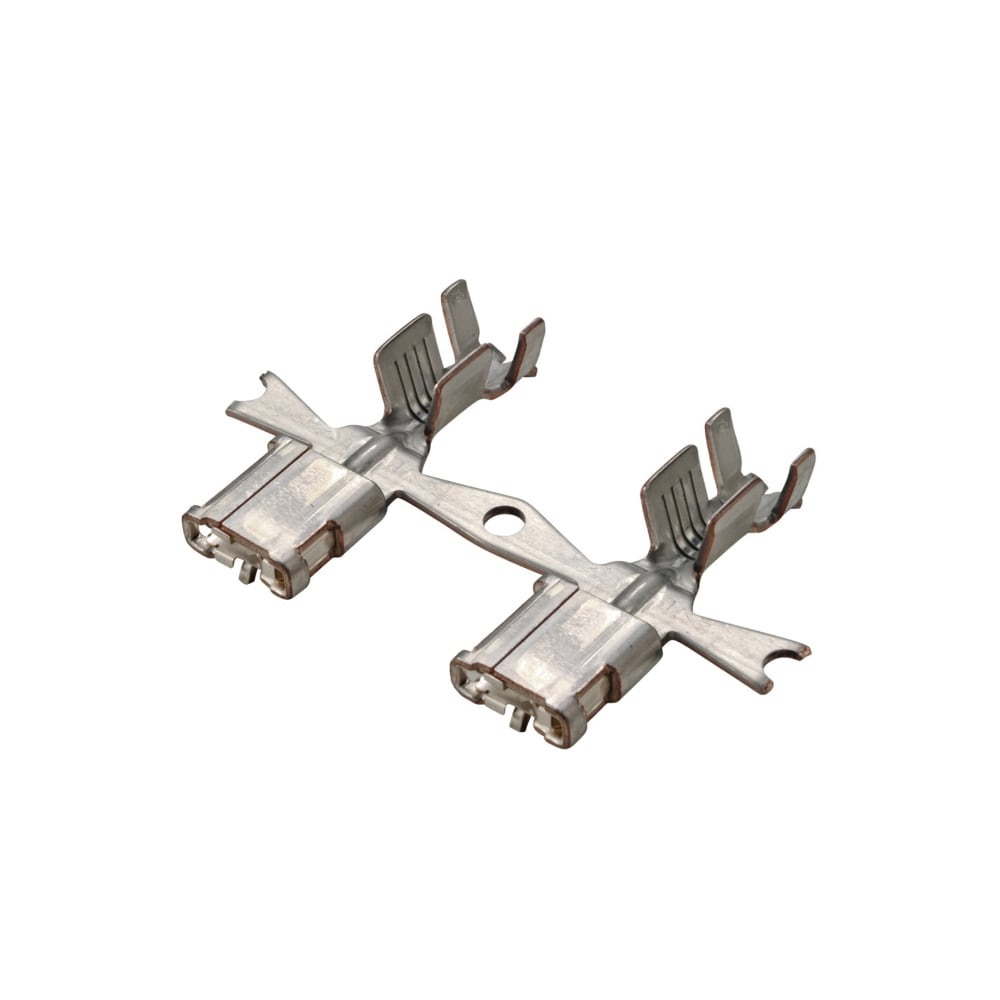
Browse the full stamped parts range for more details.
Why Assemblies
Assemblies are complete finished products or sub-assemblies built from multiple stamped components joined together - often combining metal stampings with plastic parts, hardware and inserts.
- Within our in-die assembly process, presses simultaneously produce stampings and assemble components in one operation, reducing total production time. Stamped parts can also be produced in one operation and then placed in a secondary operation to assemble or insert components. Assembly processes include threading, staking, tapping, hardware insertion, press-fit joining, stacking, welding, riveting and insert molding - so stamped part assembly ships as a tested unit, not a bag of components.
- By consolidating stamping, managed plating, assembly and insert molding under one quality system, ISTAMPING eliminates tolerance stack-up between vendors and streamlines your supply chain into a single turnkey supplier.
- From automotive sub-assemblies to EV busbar assemblies with molded housings, we produce high-volume oem metal stamping parts and metal parts assembly with 100% quality assurance and competitive cost.
TURNKEY ASSEMBLY CAPABILITY
Within our in-die assembly process, presses simultaneously produce stampings and assemble components in one operation, reducing total production time. Stamped parts can also be produced in one operation and then placed in a secondary operation to assemble or insert components. Assembly processes include threading, staking, tapping, hardware insertion, press-fit joining, stacking, welding, riveting and insert molding - so stamped part assembly ships as a tested unit, not a bag of components.
Types of Assemblies We Produce
Technical Specifications
Components per assembly
2 – 40 stamped + fastened parts
Material thickness
0.10 – 3.0 mm
Joining methods
Riveting, welding, press-fit, adhesive
Positioning precision
±0.005 mm
Insert molding
Overmolded terminals & bushings
QC
100% vision + functional test
Common Materials
- Cold-rolled Steel
- Stainless Steel SUS301 / 304
- C26000 / C36000 Brass
- C1100 Copper
- Aluminum 5052 / 6061
- C5191 / C5210 Phosphor Bronze
How We Manufacture Assemblies
Design & Engineering
We review the full assembly drawing - stamped components, joining methods, hardware and tolerances - to plan a manufacturing sequence that consolidates stamping, managed plating and assembly under one quality system.
Progressive Die Tooling
Precision progressive dies are built in-house to stamp the individual components, with in-die assembly options that join parts in the same press stroke sequence.
High-Speed Stamping
Components are stamped in high volume with in-process monitoring, holding ±0.005 mm precision on piloted features before assembly.
Secondary Assembly
Threading, staking, tapping, hardware insertion, riveting, welding and insert molding are performed in-die or in dedicated assembly cells with vision-verified joints.
Joining Method Selection
Each joint is specified against load, conductivity and cycle requirements: riveting and press-fit for mechanical retention, resistance and laser welding for current-carrying joints, adhesive where dissimilar materials cannot be heat-affected, threaded inserts and bushings where the assembly meets a fastener. Tolerance stack-up across the joint chain is reviewed at DFM, not discovered at first article.
Design-for-Manufacturability Support
Our engineers review your assembly at the quoting stage - component count, joining methods, tolerance stack-up and plating sequence - and recommend design-for-manufacturability adjustments that reduce tooling cost, shorten lead time and improve joint reliability in the field.
FAQ
Questions Buyers Ask
What types of stamped assemblies do you build?
We build multi-component stamped assemblies - terminal and connector sub-assemblies, insert-molded parts, busbar assemblies, and welded or riveted bracket assemblies - combining stamping, plating and secondary operations in one facility.
Can you do insert molding or overmolding on stamped parts?
Yes. We integrate stamped metal contacts and terminals with plastic housings through insert molding and overmolding, producing finished connector assemblies that ship ready for installation.
How do you control quality across multiple components?
Every program begins with a feasibility review and run-at-rate study. In-line camera vision and sensor inspection track each component and the assembled unit, supporting zero-defect, high-volume delivery under IATF 16949.
What are typical lead times for assemblies?
Prototype assemblies can be turned around in 2–3 weeks; production lead times depend on tooling complexity, molding requirements and volume. Send us your drawings for a firm schedule.
How tight are tolerances across a multi-part stamped assembly?
Individual stamped components hold ±0.005 mm on piloted features; the assembly tolerance is the stack of component and joint tolerances, so we run a stack-up analysis at quoting and call out the joints that need in-die or fixture control.
Recommended Products
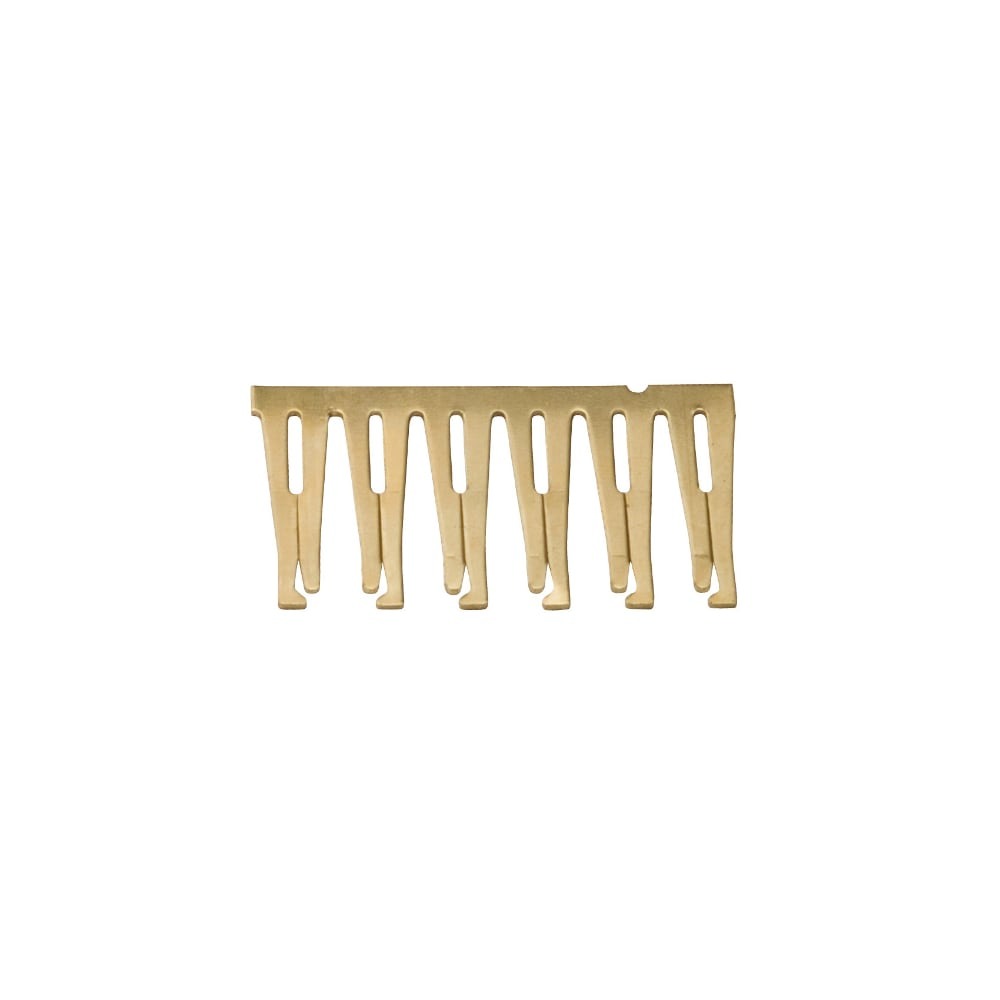
Terminals
Terminals are necessary to connect various circuits or systems. Sometimes called electrical connectors, these components are used to transfer electrical current from a power or grounding source to an electrical system.
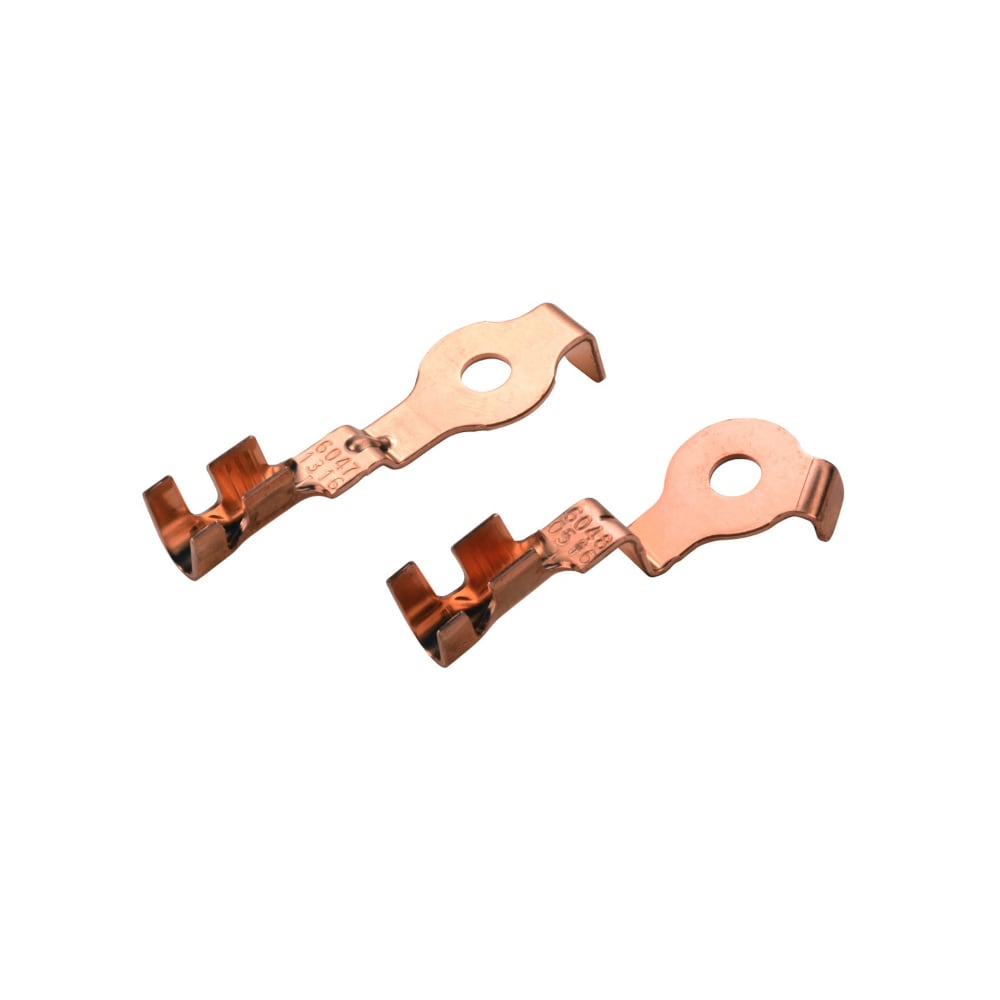
Wire & Cable Connectors
Wire and cable connectors, also known as crimp terminals, crimp wire connectors, crimp cable connectors and eyelet terminals serve a simple but essential purpose of connecting electrical wires and cables to other parts and modules within the entire electrical system of vehicles, appliances, control systems and other electrical applications.
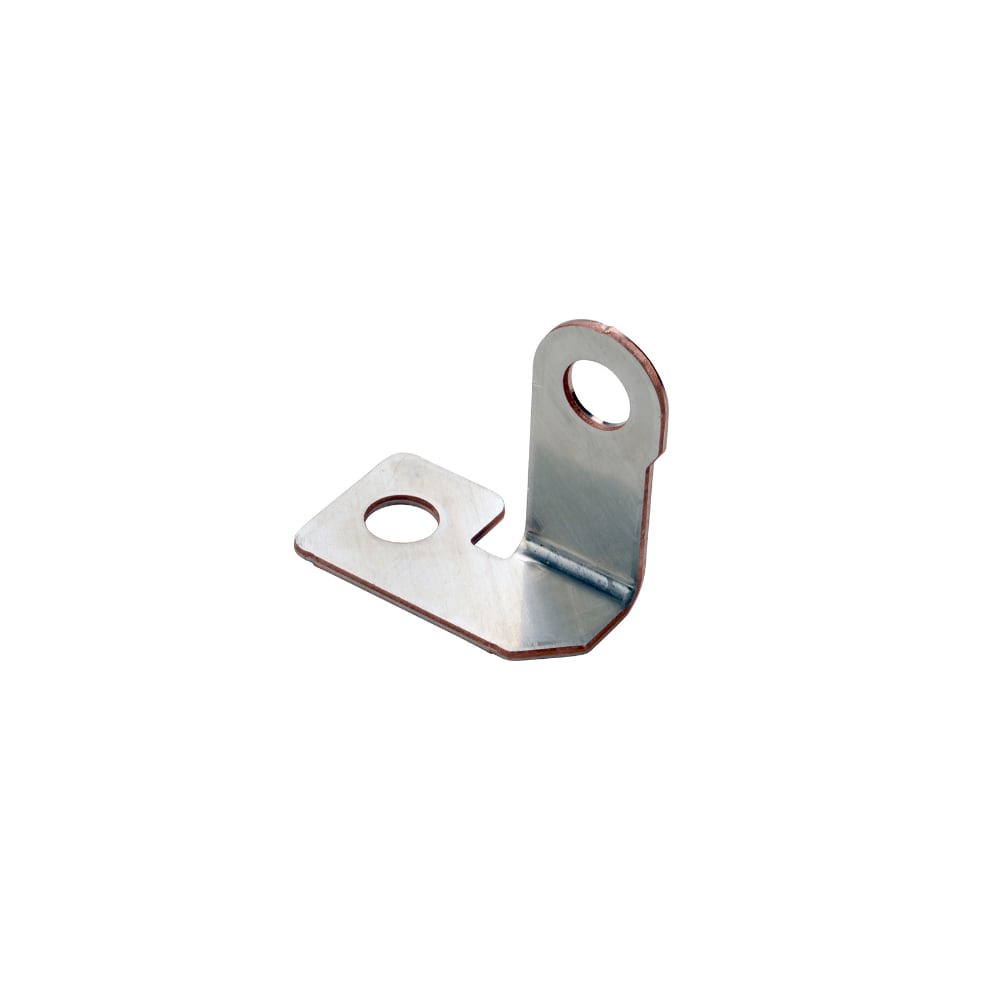
Brackets
Brackets are structural stamped components used to mount, support or secure parts in applications across buildings, automotive, electronics and appliances.