
Shields
Shields (EMI/RFI shielding components) protect sensitive electronics from electromagnetic interference and radio frequency interference.
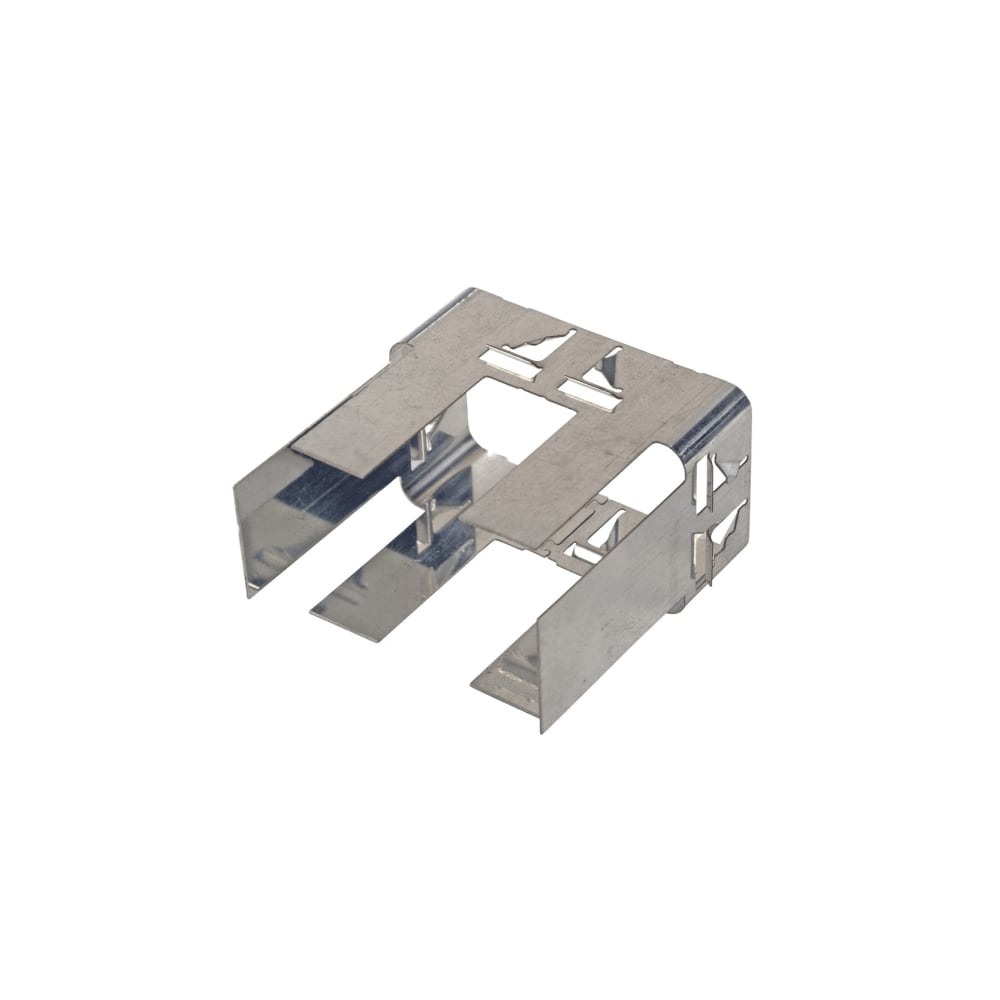
Browse the full stamped parts range for more details.
Why Shields
Shields (EMI/RFI shielding components) protect sensitive electronics from electromagnetic interference and radio frequency interference.
- Shielding effectiveness depends on material, geometry and seam integrity. Our precision stamping holds tight tolerances on critical shielding dimensions, and our managed plating options (tin, nickel) ensure solderability and corrosion protection for board-level applications.
- Shield cans, clips, gaskets and board-level shielding parts are stamped from nickel silver, stainless, brass and tin-plated steel to provide consistent shielding performance.
- ISTAMPING's 0.005 mm precision and burr-free edge control ensure consistent shielding performance for automotive EMI shield stamping and solderability for telecom, consumer electronics and automotive EMC applications.
SHIELDING PERFORMANCE, CONSISTENTLY
Shielding effectiveness depends on material, geometry and seam integrity. Our precision stamping holds tight tolerances on critical shielding dimensions, and our managed plating options (tin, nickel) ensure solderability and corrosion protection for board-level applications.
Types of Shields We Produce
Technical Specifications
Material thickness
0.10 – 3.0 mm
Positioning precision
±0.005 mm
Burr control
Burr-free edges for solderability
Press capacity
25 – 80 tons (high-speed)
Production speed
Up to 300 SPM
Plating
Tin / Nickel (managed)
Common Materials
- Nickel Silver
- Stainless Steel SUS301 / 304
- C26000 Brass
- Tin-Plated Steel
- C1100 Copper
How We Manufacture Shields
Why Shielding Matters
Electromagnetic interference grows with every high-frequency device; automotive EMC regulations now demand shielding across more modules than ever. The global EMI shielding market exceeds US$9.9 billion and keeps expanding with electrification.
Shield Design & Simulation
We run FEA and tooling simulation on seam geometry, vent patterns and wall height so each shield meets its attenuation target before steel is cut.
Fine-Blank & Progressive Tooling
Precision progressive and fine-blank dies built 100% in-house form cans, clips and gaskets at ±0.005 mm with burr-free edges for reliable soldering.
High-Speed Stamping
Shields are stamped in high volume with in-process monitoring on presses up to 300 SPM, holding tight tolerances on critical shielding dimensions.
Managed Plating
Reel-to-reel tin or nickel plating ensures solderability and corrosion protection for board-level and automotive EMC applications.
Inspection & Quality Control
Camera vision and CMM verification under IATF 16949:2016 confirm dimensional accuracy, seam integrity and plating quality.
Design-for-Manufacturability Support
Our engineers review your shield at the quoting stage - wall height, vent pattern, seam type and plating - and recommend design-for-manufacturability changes that improve attenuation and lower tooling cost. Existing dies can be taken over and optimized for our high-speed presses.
FAQ
Questions Buyers Ask
What EMI/RFI shield types do you make?
We stamp shield cans, board-level shields (BLS), shielding clips, EMI gaskets and RFI shields in nickel silver, stainless, brass and tin-plated steel.
How do you ensure shielding effectiveness?
We simulate seam geometry and vent patterns with FEA before tooling, then hold ±0.005 mm on critical dimensions with burr-free edges for consistent solderability and seam integrity.
Can you manage plating for shields?
Yes. Reel-to-reel tin or nickel plating runs through our approved partner lines for solderability and corrosion protection across automotive, telecom and consumer-electronics applications.
Recommended Products
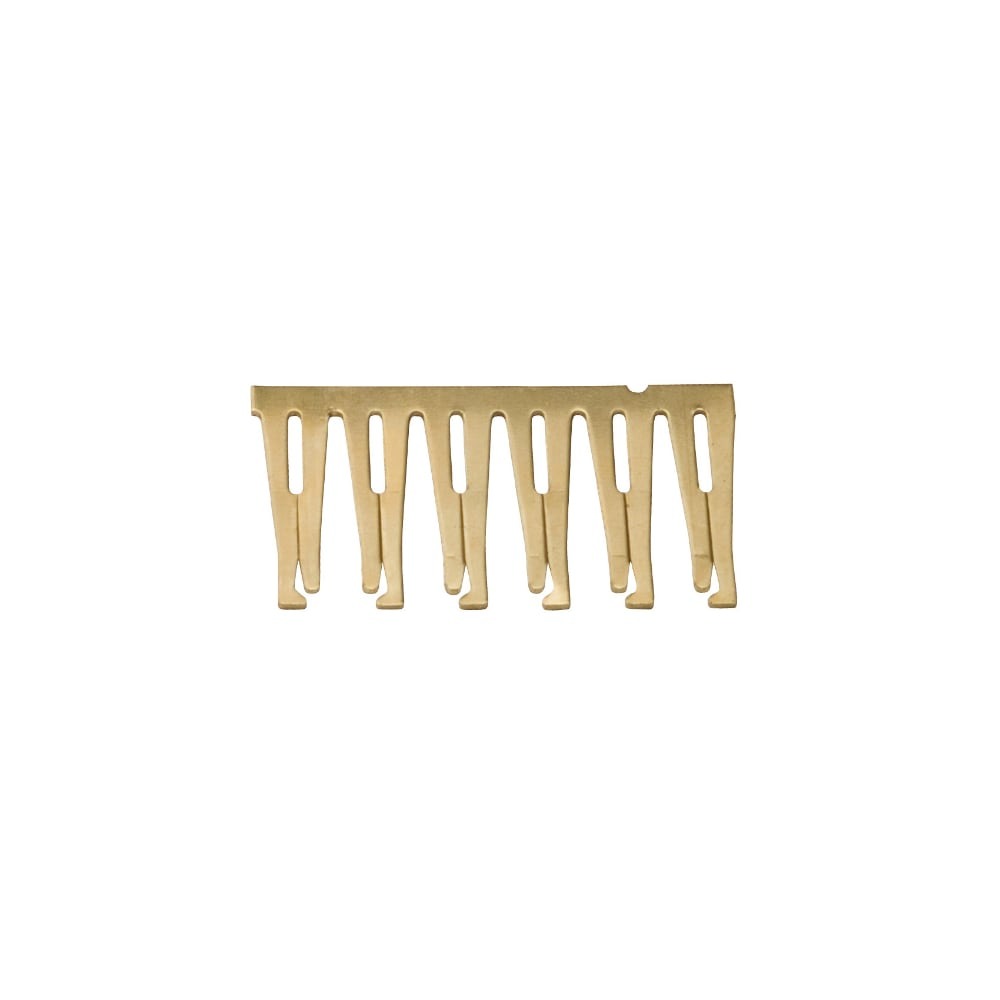
Terminals
Terminals are necessary to connect various circuits or systems. Sometimes called electrical connectors, these components are used to transfer electrical current from a power or grounding source to an electrical system.
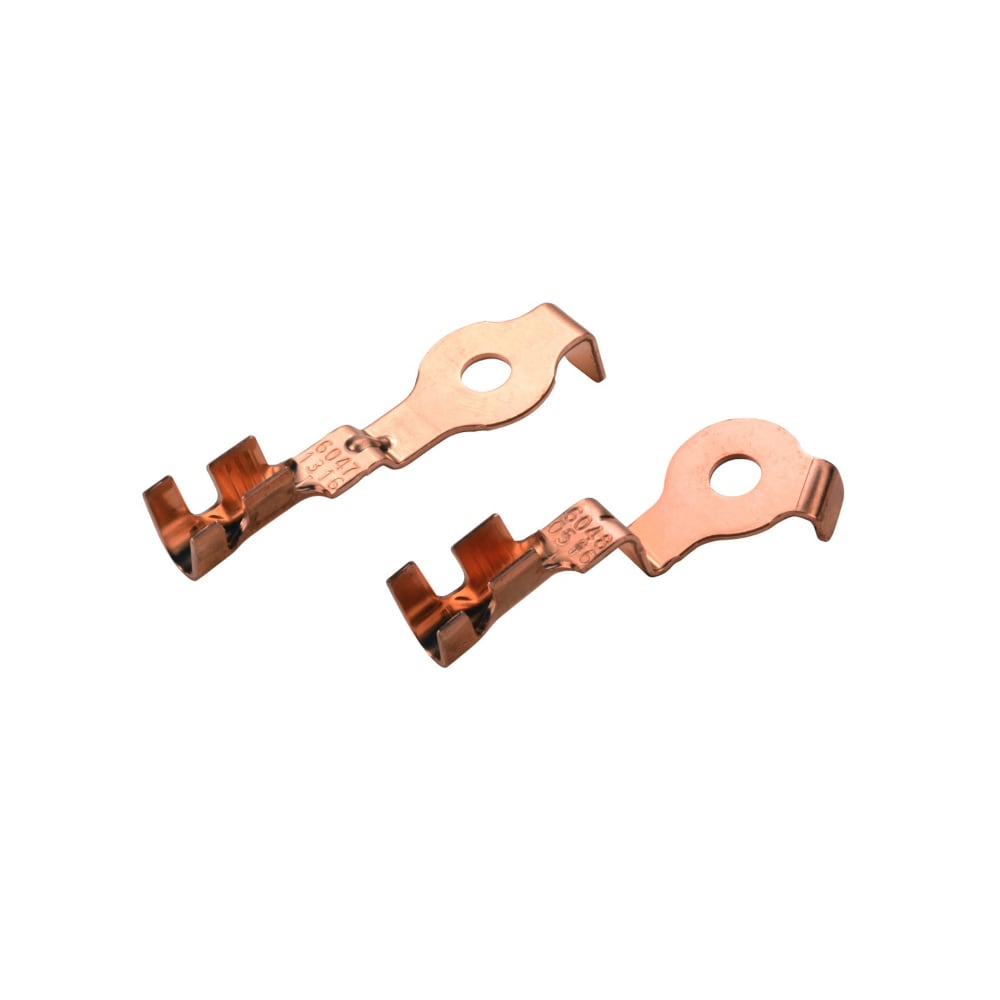
Wire & Cable Connectors
Wire and cable connectors, also known as crimp terminals, crimp wire connectors, crimp cable connectors and eyelet terminals serve a simple but essential purpose of connecting electrical wires and cables to other parts and modules within the entire electrical system of vehicles, appliances, control systems and other electrical applications.
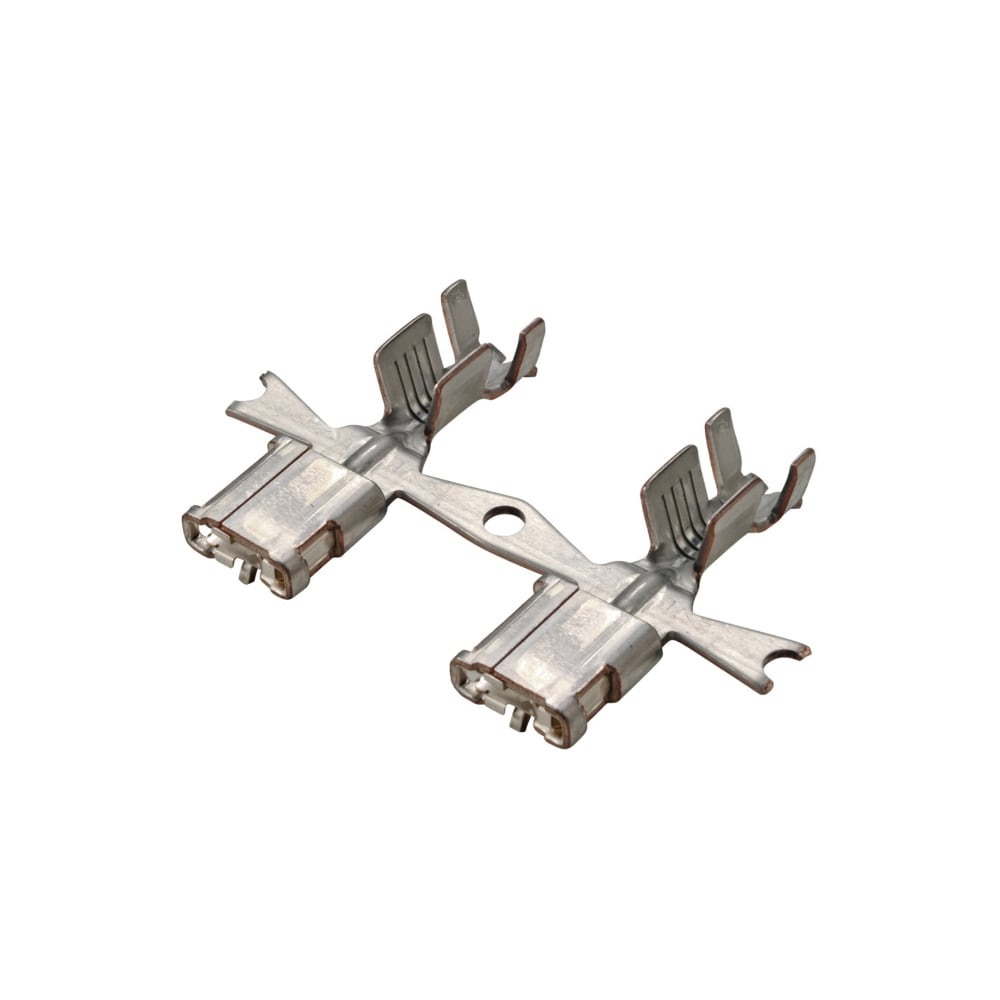
Assemblies
Assemblies are complete finished products or sub-assemblies built from multiple stamped components joined together - often combining metal stampings with plastic parts, hardware and inserts.