ISTAMPING

Phosphor Bronze Stamping — ±0.005 mm on 0.05–3.0 mm strip, up to 300 SPM

Progressive die stamping of phosphor bronze spring contacts, terminals and relay blades — dies designed and built in our own tool room, run on 21 presses from 25 to 110 tons at up to 300 SPM, with ±0.005 mm held on piloted features.

  • 0.05–3.0 mm strip
  • ±0.005 mm positional
  • up to 300 SPM
  • 21 presses · 25–110 T

Fast Engineering ResponseNDA ProtectedSTEP / IGES / X_T / DWG

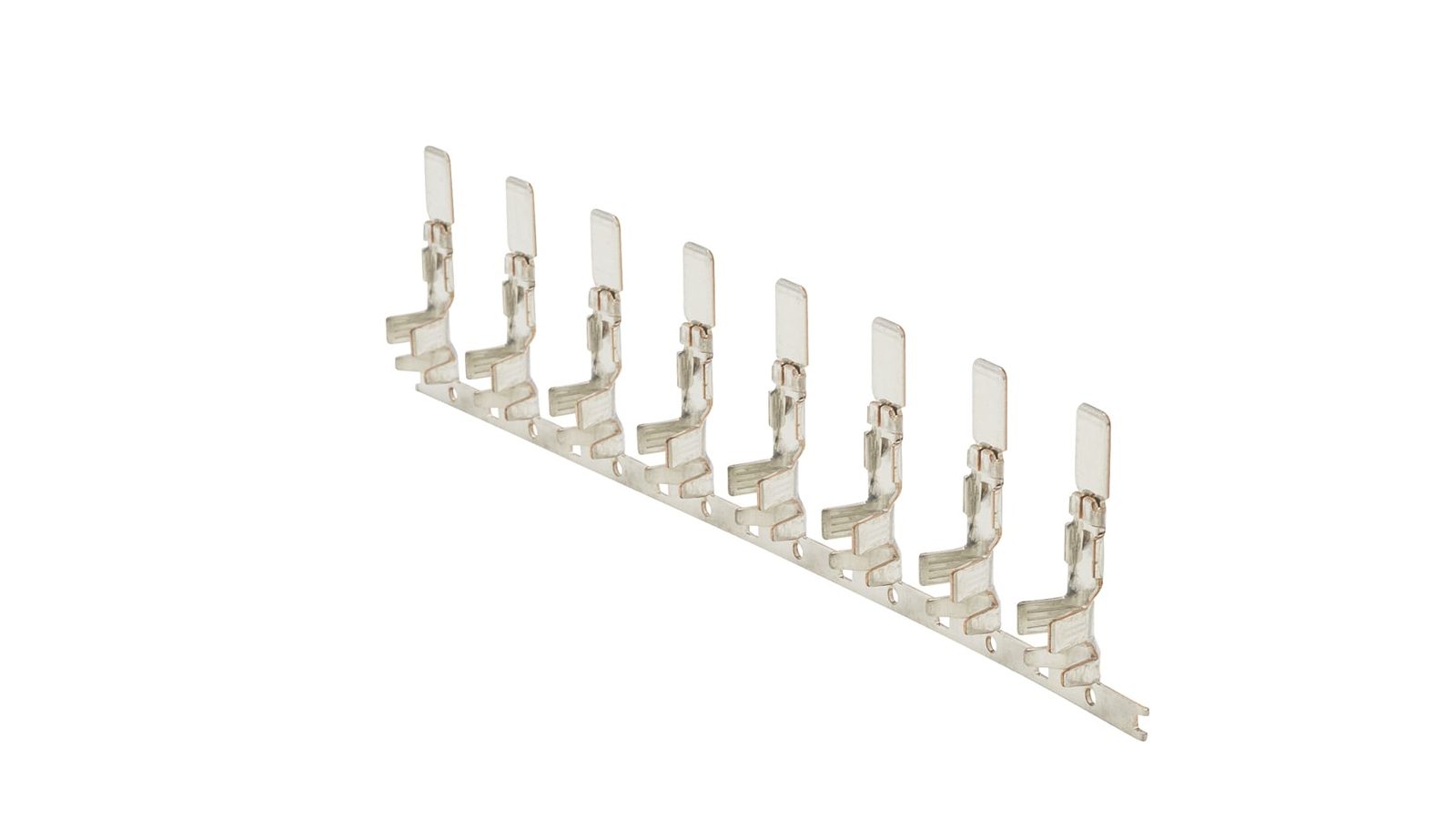
Phosphor bronze spring contact formed on a progressive die, reel-packed
Tolerance Control: ±0.005 mm
IATF 16949 Certified

Trusted Tier-1 & OEM Standards:

IATF 16949:2016 CertifiedISO 14001:2015PPAP DocumentationCMM + In-Line VisionFast DFM Feedback

PARTS WE STAMP

What We Stamp in Phosphor Bronze

Phosphor bronze is specified where a part has to carry current and keep pushing back for millions of cycles. These four families cover most of the work here, and each one carries a different die approach, plating route and fatigue check.

Connector terminals and pins

Terminals, pins, receptacle bodies and crimp barrels from C51000 and C51100 strip. Tin content at 4–5% keeps the alloy formable enough for closed-barrel and box-style terminals while still holding contact force after crimping. Progressive dies carry piercing, forming and cut-off in one pass, and pre-plated strip is the usual route so the contact zone is never handled after forming.

C51000C511000.2–0.6 mmtin pre-plate
Spring contacts and contact fingers

Contact fingers, wiper springs, battery and socket contacts — the parts that justify the material. Spring temper strip is formed and coined in the die, with the bend radius kept inside what the temper will take, so the finger delivers the force the drawing asks for at its rated deflection instead of taking a set after the first few hundred cycles.

spring temper0.1–0.4 mmsilver pre-platelighting / appliance

Relay springs, fuse clips and switch blades

Relay arms, fuse clips, switch blades and contact bridges where conductivity and spring load meet in the same part. Roughly 15% IACS is the industry number for phosphor bronze — well below copper, and the reason a design puts phosphor bronze where the spring lives and copper where the current bulk travels, rather than asking one alloy to do both.

C51900C52100relay / switch≈15% IACS

Diaphragms, bellows and instrument springs

Small diaphragms, corrugated bellows, instrument hairsprings and stamped washers — thin gauges where the fatigue limit matters more than strength. These run from annealed stock when the form needs ductility, from spring temper when the part is a spring from the start, and the die is built for the temper named on the order.

C52400annealed0.05–0.3 mminstrumentation

INSIDE THE PLANT

Phosphor Bronze Stamping Lines, Tool Room and Inspection Floor

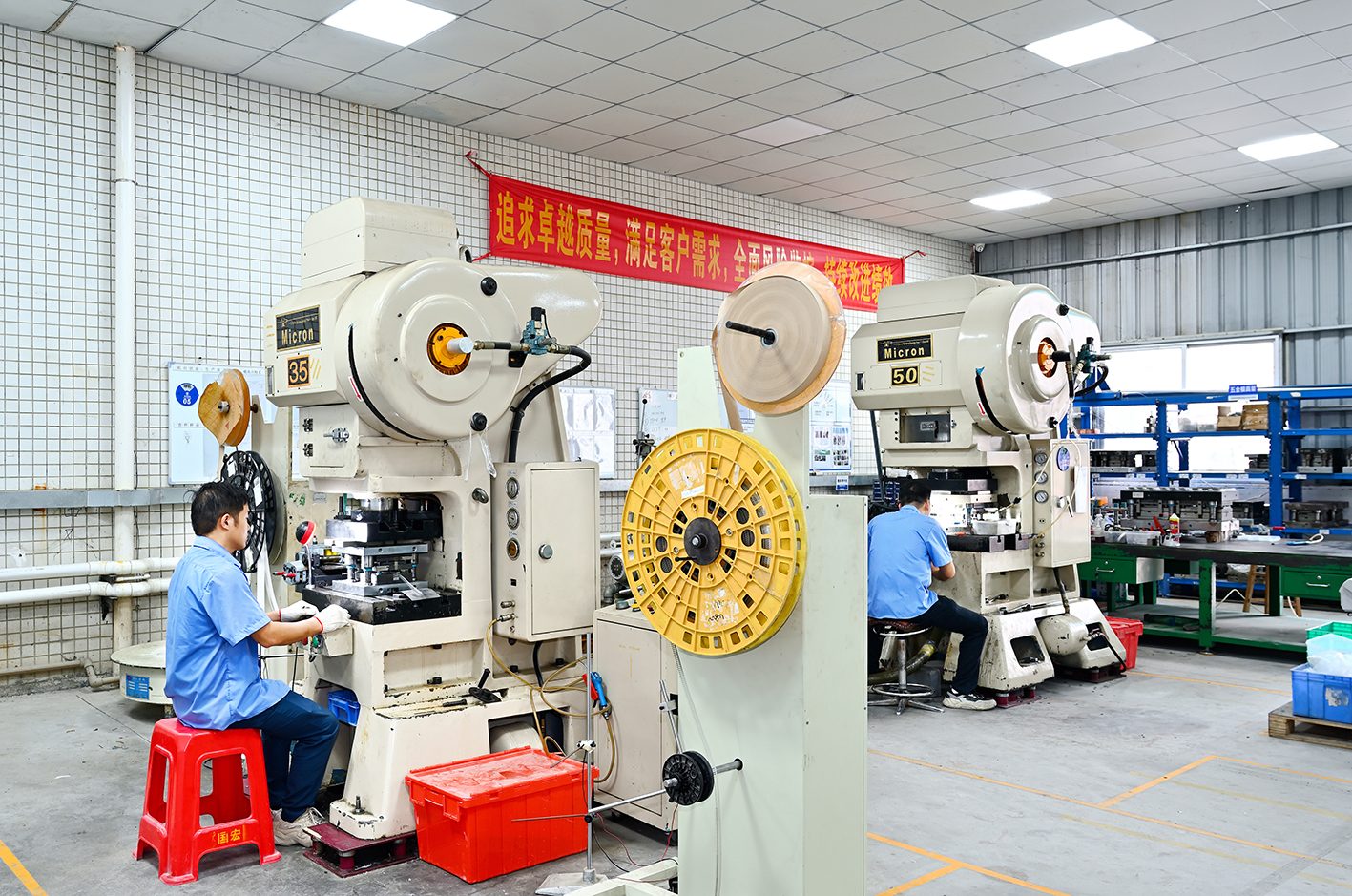
Real equipment and inspection floor from our Dongguan plant — 25–110T high-speed presses, in-house tool room, and a CMM lab running first-article inspection on every program.

Phosphor Bronze progressive die stamping running on a high-speed press
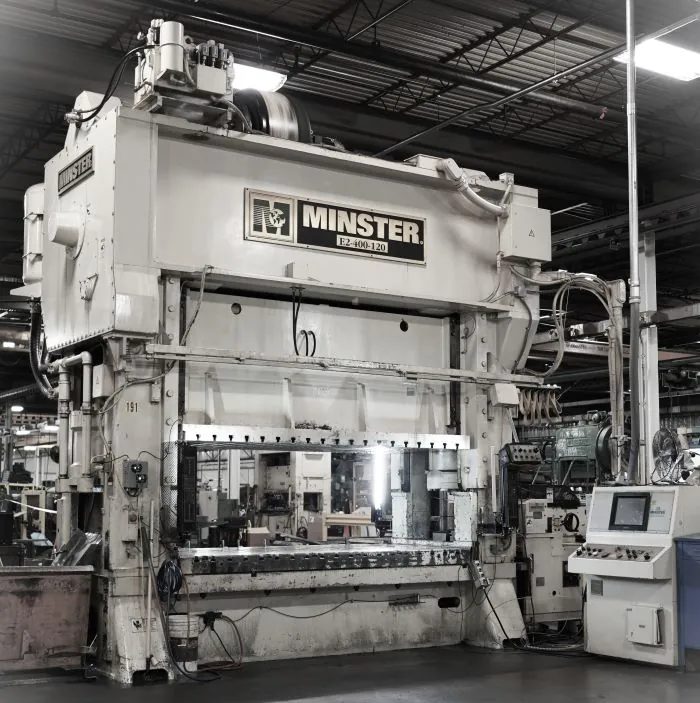
Phosphor Bronze Heavy gauge stamping press running progressive dies at the ISTAMPING plant
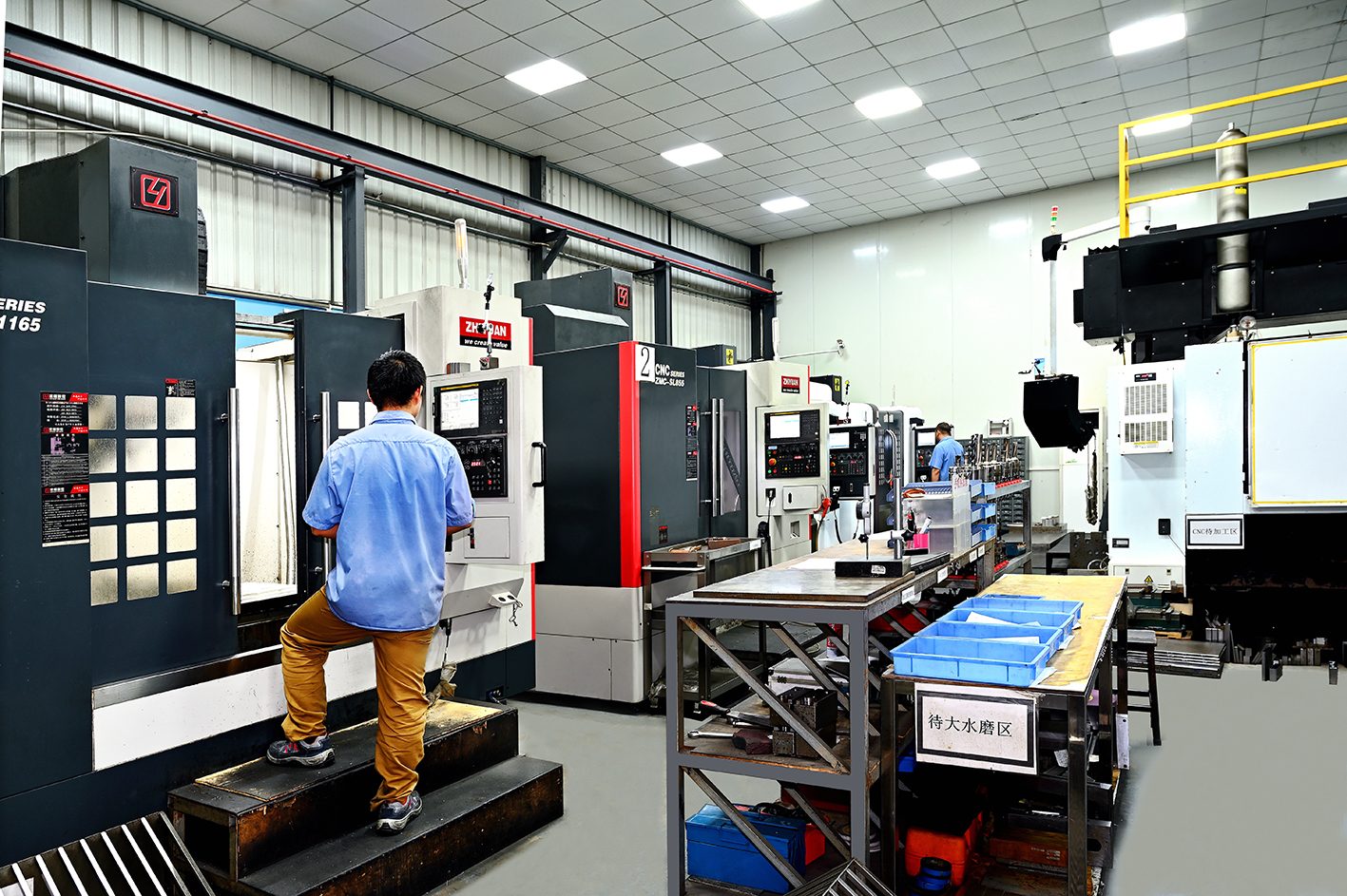
Phosphor Bronze In-house tool room machining progressive die components
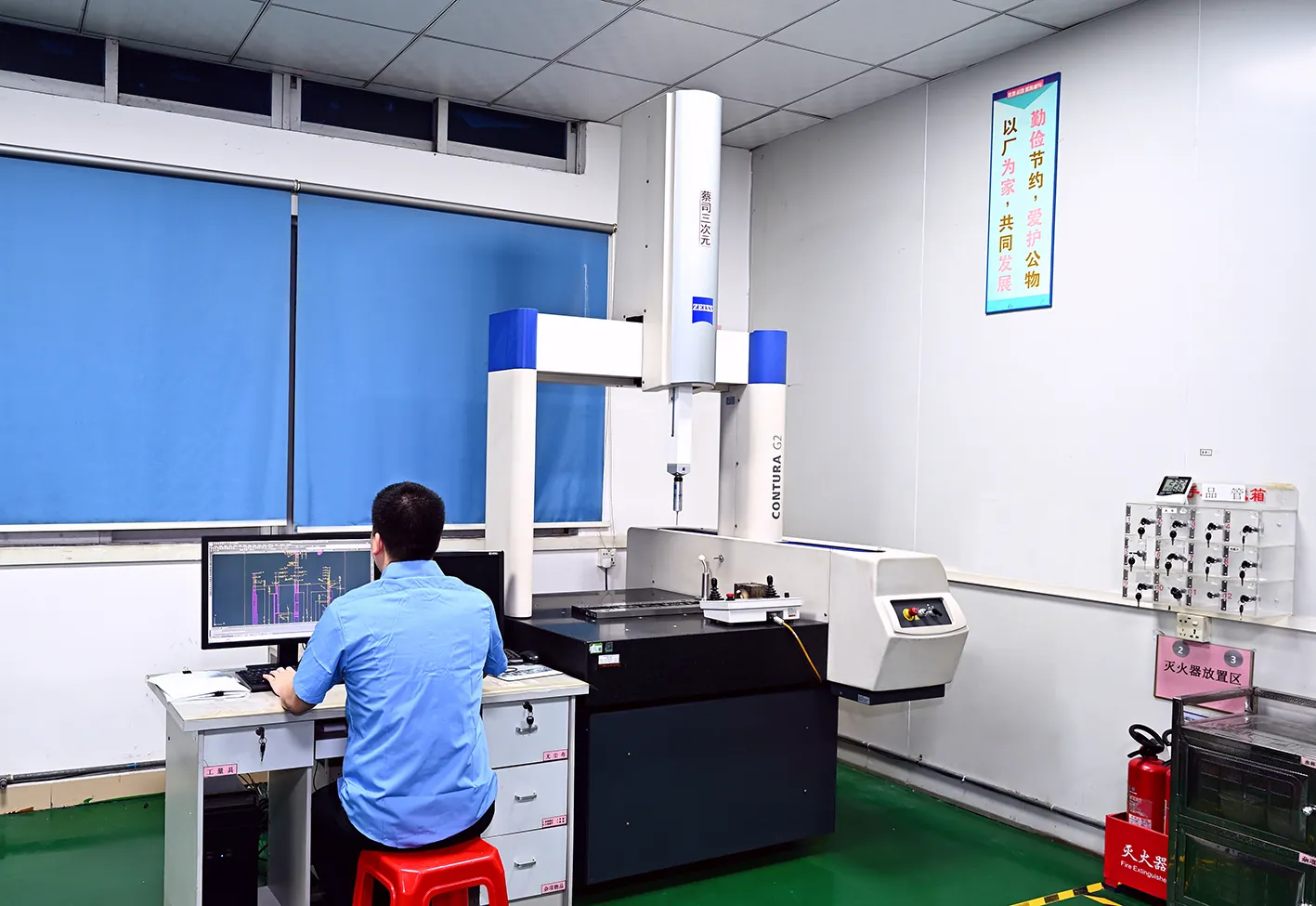
Phosphor Bronze CMM measuring a stamped component in the in-house quality lab
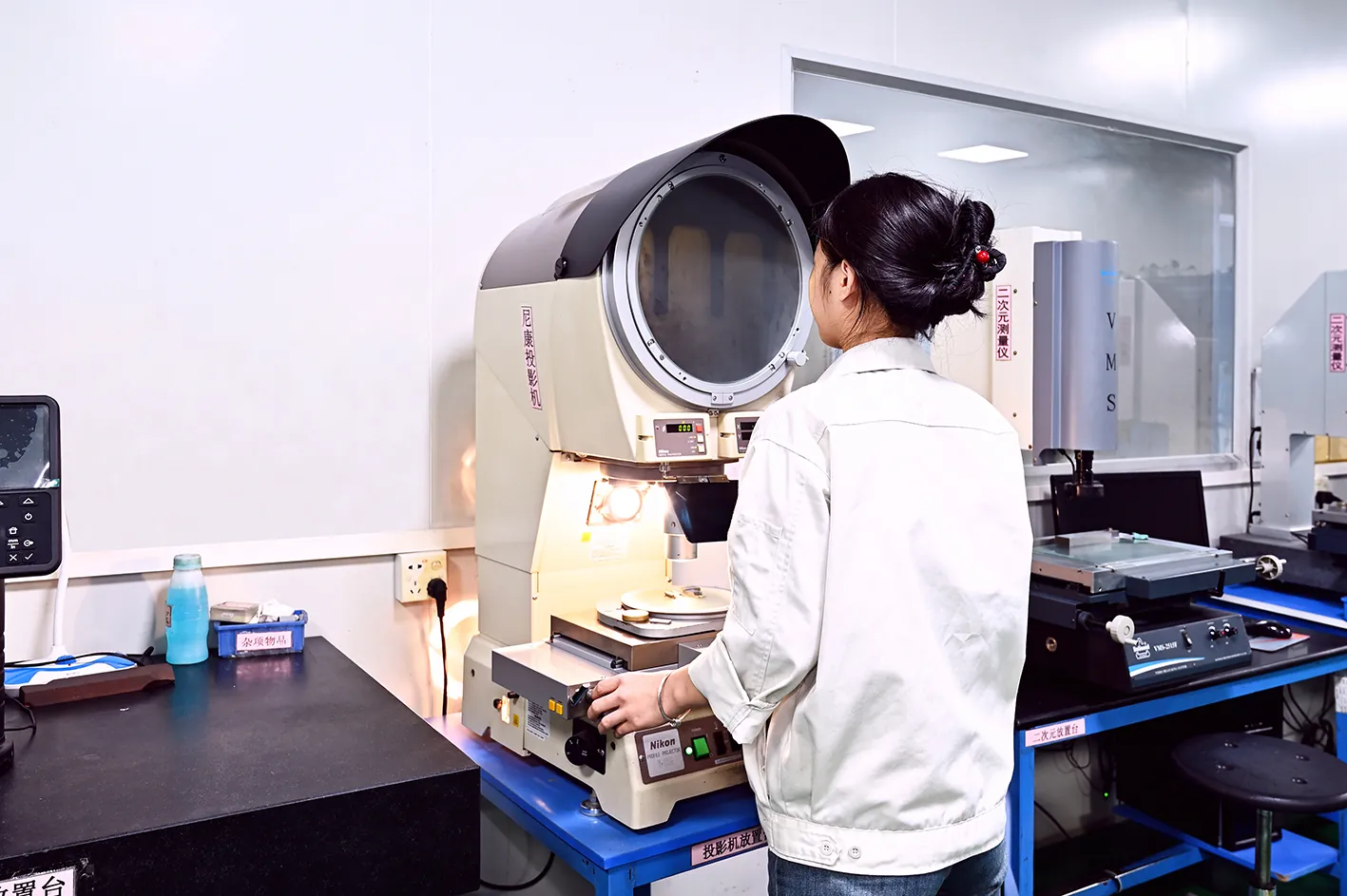
Phosphor Bronze Optical comparator verifying fine blanking edge quality
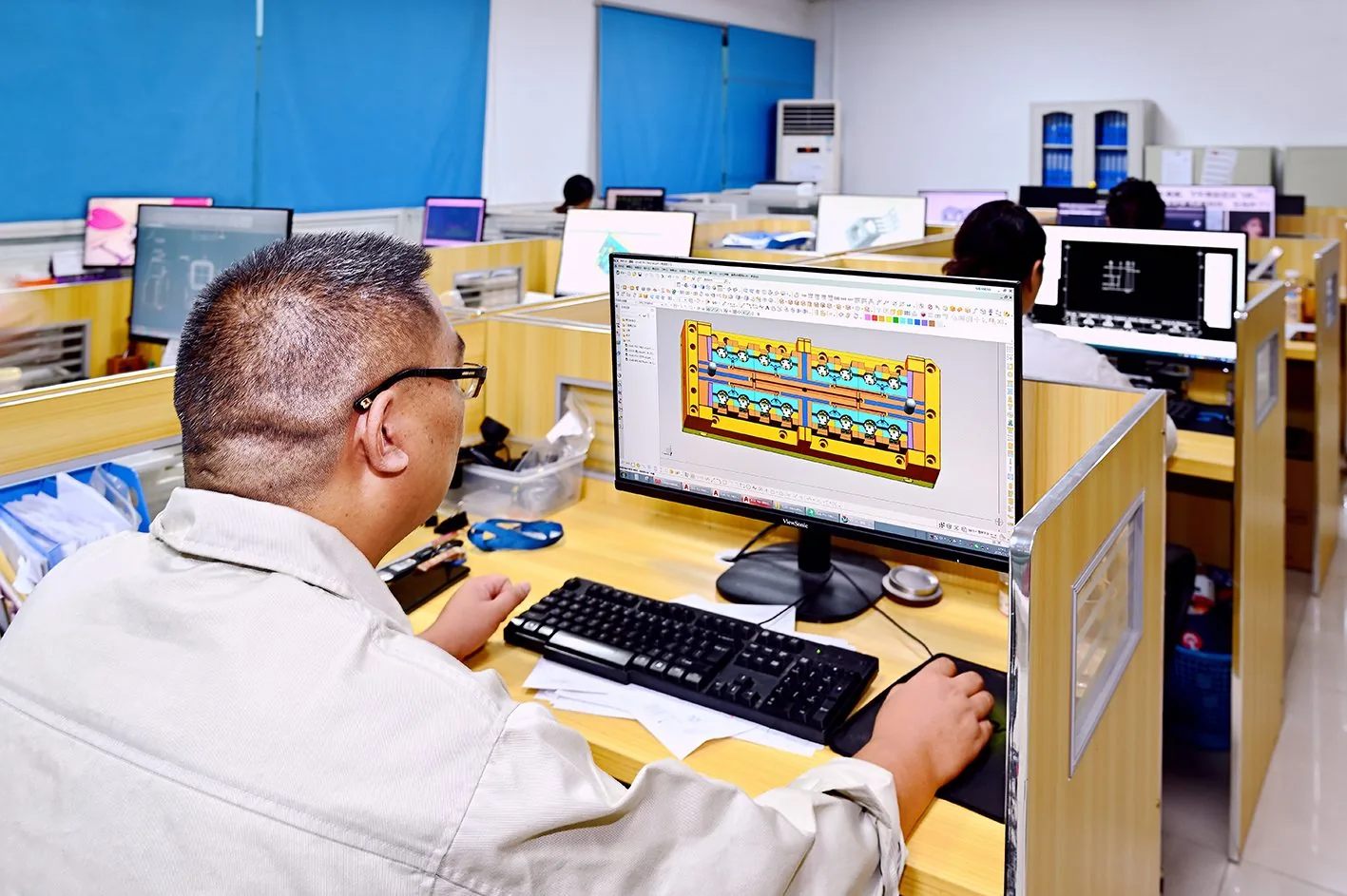
Phosphor Bronze Engineers reviewing progressive die layout DFM before production

WHERE PHOSPHOR BRONZE GOES WRONG

What Makes Phosphor Bronze Harder to Stamp Than It Looks

Phosphor bronze is a spring alloy and it behaves like one in the die: it springs back, it cracks when pushed past its radius, and it relaxes if the forming stress is wrong. These are the four failures we design out before the first coil.

01

Springback is the biggest number in the tool

The Challenge

Spring temper phosphor bronze returns most of what you bend into it. A 90° form without compensation comes out at 80° and keeps moving as the temper drifts from coil to coil, so an uncompensated die produces parts that pass the first article and fail the tenth thousand.

02

Contact force decays if the stress is wrong

The Challenge

Phosphor bronze holds force better than brass, but it still relaxes. Run the bend at a working stress near yield, hold the part at reflow or in a warm enclosure, and contact force falls away over the service life. The failure shows up as intermittent contact years later, not as a dimensional reject at the press.

03

Edge cracking above 8% tin

The Challenge

C52100 and C52400 buy strength with tin, and they pay for it at the bend line. Bend along the rolling direction, push the inside radius under one strip thickness, or leave a sheared edge with a rough break, and the outside fibre cracks — sometimes in the die, sometimes in the customer's hands during assembly.

04

Pre-plate damage and abrasive wear

The Challenge

Tin and silver pre-plate on phosphor bronze is thin and soft. Every stripper rub, pilot scrape and tumbling pass shows up as a bare patch on the contact face, and the alloy itself wears tool steel faster than brass does because the tin content makes it abrasive at the shear edge.

HOW WE STAMP IT

What We Hold in Production

Values we quote and inspect against on phosphor bronze work. Nothing here is a marketing range — if the press cannot hold it, it is not on the list.

Specification ParameterWhat We HoldHow It Is Controlled
Strip thicknessMill certificate plus in-process thickness check at the press
Positional toleranceFirst-article CMM at 0.001 mm resolution, SPC in production
Stamping speedThin contacts on high-speed frames, heavy strip on larger presses
Press fleetPress matched to the part, with tonnage margin left for coining
Dies30 machining machines behind the tool room
Quality systemPPAP, mill certificates, lot traceability
InspectionCMM, optical and profile, in-line CCD on critical features
PlatingPre-plate on coil or post-plate through qualified finishers, incoming inspection in-house
TOOL ROOM

Die design and build

Progressive die design, machining and assembly under one roof — springback, burr and die wear on phosphor bronze are solved here, not on the press.

PRESSES

21 presses, 25–110 tons

Thin spring contacts on the high-speed frames at up to 300 SPM; heavier strip from 1.5 to 3.0 mm on the larger presses in the fleet.

INSPECTION

CMM, optical and CCD

First-article CMM at 0.001 mm resolution, optical and profile checks for edges and radii, in-line CCD on the features the drawing controls.

FINISHING

Pre-plate and managed plating

Tin, nickel, silver and gold, either pre-plated on coil before stamping or post-plated through qualified finishers with incoming inspection kept in-house.

From Drawing to Production

01

DFM review

Grade, temper, bend radii, spring direction, burr side and plating route settled before the die is cut — including whether the part should be phosphor bronze at all.

02

Die build

Progressive layout with piercing, forming, coining and restrike stations combined; die machined and assembled in our own tool room.

03

Try-out and first article

Run on the production coil, formed angles and contact force verified, PPAP documentation raised before the run is released.

04

Production and SPC

Counted-stroke punch maintenance, in-line CCD on critical features, SPC on the dimensions and angles the drawing controls.

STRIP AND SUPPLY

Phosphor Bronze Strip: Tempers, Pre-Plate and Supply

We are a stamper, not a metal distributor — we do not sell phosphor bronze. We choose the temper and surface form the part needs, then quote it as material plus conversion. Precision phosphor bronze strip is bought to a temper and a thickness band rather than a grade name alone, because both move the spring rate.

Spring temper or annealed

Spring temper, quarter-hard, half-hard and annealed all run here, and the choice is a design decision, not a price decision. Annealed strip takes deep forms and tight radii but delivers no spring of its own; spring temper arrives pre-stressed and holds force, and it will not tolerate the same radii. A temper change is a die change.

Mill finish or pre-plated

Mill finish, pre-tinned, pre-nickel and selectively silvered strip are all workable. Pre-plate removes a post-stamping plating step and the handling damage that comes with it, but it limits the die to gentler entry and rules out tumbling. Post-plating gives more freedom on zone and thickness at the cost of one more process and one more inspection gate.

You supply or we procure

Either you supply coil to your own specification, or we procure the grade, temper, width and surface you name and quote material plus conversion with the mill certificate on file. If the grade is still open, we recommend between C51000, C51100, C51900, C52100 and C52400 before the die is cut.

Grades we run

C51000C51100C51900C52100C52400

BEFORE YOU SEND THE DRAWING

DFM Checklist for Phosphor Bronze Stampings

Eight checks worth making on a phosphor bronze drawing before tooling — the ones that decide whether the spring holds its force or relaxes in the field.

  • Bend radius: one strip thickness minimum inside radius on spring temper, 1.5× on C52100 and C52400 — below that the outside fibre cracks at the bend line.
  • Bend direction: put the bend across the rolling direction. Bending along it on the high-tin grades raises edge-cracking risk at the sheared edge.
  • Springback: state the angle tolerance you actually need. A ±1° requirement and a ±5° requirement are different dies, and the loose one is cheaper to run.
  • Working stress: give the deflection and the force target so the bend length can be sized inside the elastic range — a spring designed past yield relaxes in service.
  • Burr side: name the face where burr is allowed. On a contact face it is not, so the die layout and the punch sharpening schedule come from the drawing.
  • Hole-to-bend distance: 2× strip thickness minimum from hole edge to bend line, or the hole distorts and the pilot stops locating the part.
  • Plating: state zone, masking and whether pre-plated strip is acceptable — pre-plate changes die entry, handling and the packing method.
  • Temper: call out annealed or spring temper and keep it fixed across lots. The same grade in another temper needs another die.

ORDERING & FAQ

How to Order Phosphor Bronze Stampings & Frequently Asked Questions

From drawing to delivered parts: a four-step path with engineering review at the front and 100% dimensional inspection at the back — then the questions buyers ask us most.

Submit CAD & Specs

Send 2D/3D drawings (STEP, DWG, PDF) with quantity, material, and tolerance requirements.

DFM Feedback & Quotation

Our engineering team conducts DFM analysis and follows up with a competitive quote after the review.

Precision Manufacturing

High-speed progressive die stamping, secondary forming, finishing, and surface treatment per your specifications.

100% QC & Express Shipping

100% dimensional inspection, anti-corrosion packaging, and global express delivery.

01

Do you supply the phosphor bronze, or do we?

Either. We are a stamper, not a metal distributor — we do not sell phosphor bronze. You can supply coil to your own specification, or we procure the grade, temper, width and surface you name and quote material plus conversion.

02

Which phosphor bronze grades do you run?

C51000, C51100, C51900, C52100 and C52400 cover most of the work here — 5% tin through 8% and 10% tin where the spring load is higher. If the drawing names another grade, send the spec and we confirm stampability before quoting.

03

What is the thinnest phosphor bronze you can stamp?

0.05 mm at the thin end of our range, 3.0 mm at the heavy end. Thin spring contacts run on the high-speed presses and heavier strip runs on the larger presses in the fleet, with the die built for the gauge the part actually sees.

04

Can you stamp pre-plated or pre-tinned phosphor bronze?

Yes, and it is the usual route for contacts. Pre-plate keeps the finish on the contact zone only and removes a barrel-plating step, but the die has to be built for gentler entry and the parts cannot be tumbled afterwards.

05

What tolerance can you hold on a phosphor bronze part?

±0.005 mm on piloted positional features, verified on a CMM at first article, and ±0.01 mm on formed features after springback compensation. Tighter formed angles are possible but depend on bend count and temper, so they are agreed at DFM.

06

Phosphor bronze, beryllium copper or brass — which one?

Brass is cheaper and fine for light force at low cycle counts. Phosphor bronze is the general spring answer at about 15% IACS. Beryllium copper C17200 takes over when spring force or temperature is beyond what tin-bronze holds, at several times the material cost.

Ready to Start Your Precision Stamping Program?

Send your drawing today — engineering runs a free DFM review and detailed pricing follows the review.

100% Confidential | NDA Protected | 24H Response