
Heavy-Gauge & Galvanized Steel Stampings
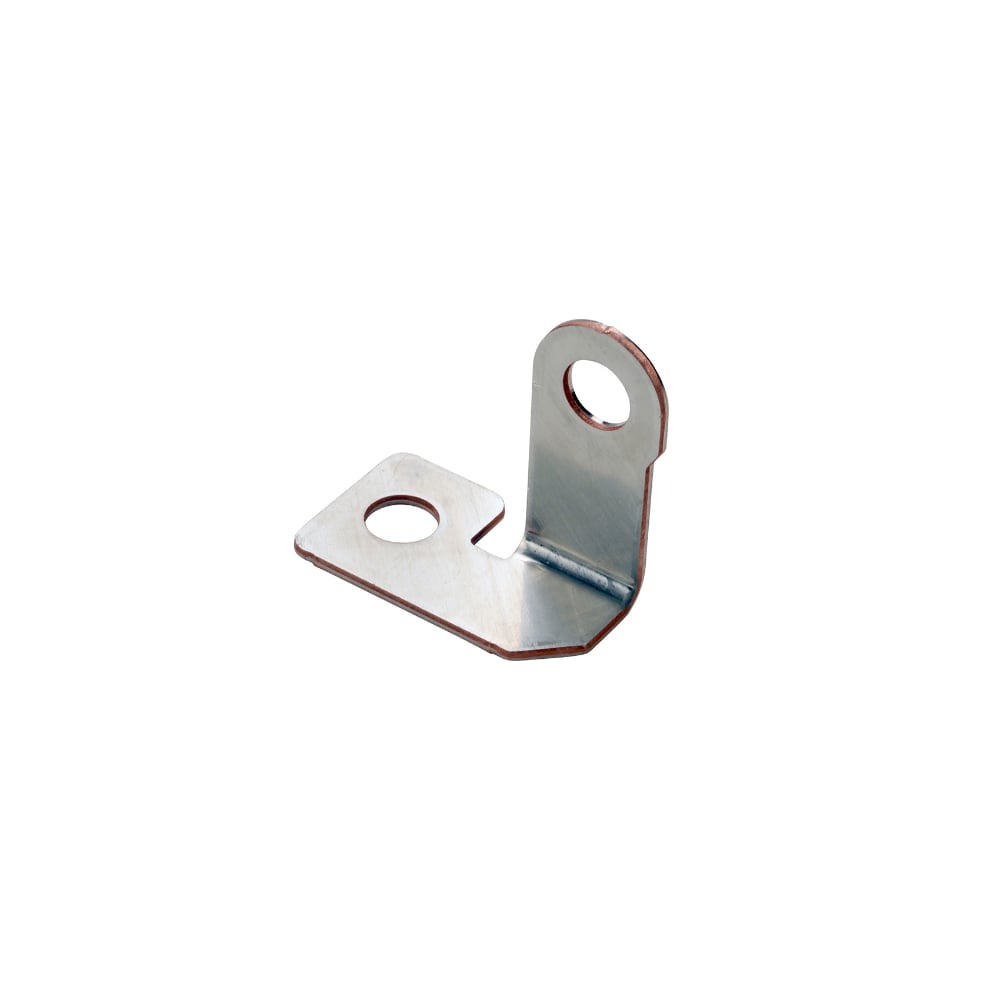
Yes — ISTAMPING stamps formed, heavy-gauge steel parts from 1.5 mm up to 3.0 mm on dedicated 45 to 110 ton presses, and we support both routes your drawing might call for: pre-galvanized HDG/SGCC strip run directly on the coil line, or post-form hot-dip galvanizing managed through approved partner lines under our quality plan with coating weight verified per lot. Bend angles and hole positions hold ±0.05 mm on formed features; the die is designed, built and tried out in-house so springback and tonnage are settled before production starts, with first-article inspection and material certification shipped on every lot.
Performance
BUILT FOR LOAD PATHS, NOT JUST SHAPES
Structural stampings carry real loads: brackets on rail car bodies, mounting plates, formed channels, grounding and buswork hardware. We engineer the die so bend lines land away from coating-stress zones, hole patterns stay concentric through forming, and edge conditions survive galvanizing. CMM and optical measurement verify the first article against the drawing; production runs under IATF 16949:2016 with SPC on structural features.
Thick-gauge stamping is a tonnage-and-springback conversation. Blanking a 3.0 mm hole needs roughly three times the force of a 1.0 mm hole, springback on galvanized low-carbon plate behaves differently than on thin strip, and the die has to absorb the load without drifting. Our heavy line runs purpose-rated presses with in-house dies designed off your part geometry, so the force numbers are checked before the first stroke, not discovered during production.
Pre-galvanized (HDG/SGCC) and post-galvanized routes are both supported. When your drawing calls for hot-dip galvanizing after forming — coating weight to spec, no weld-zone masking surprises — we sequence stamping and bending first and manage galvanizing through approved partner lines under our quality plan, with coating thickness verified per lot.
Materials
Common Materials
- Hot-Dip Galvanized Steel (HDG / SGCC)
- Cold-Rolled Steel SPCC
- Structural Grade (Q235 class)
- Stainless SUS304 / SUS430
- Aluminum 5052 / 6061
Specifications
Technical Specifications
Gauge range
1.5 – 3.0 mm (heavy)
Press capacity
45 – 110 tons
Tolerance on formed features
±0.05 mm
Max part size
Up to 300 mm
Galvanizing
Pre-galv strip or post HDG per drawing
Certification
IATF 16949:2016 · ISO 9001:2015 · ISO 14001:2015
Product Range
Types of Heavy-Gauge & Galvanized Steel Stampings We Produce
QUALITY ASSURANCE & INSPECTION
Rigorous Precision Inspection & Quality Control Standards
 Inspection Hardware
High-Precision Testing Equipment
- ZEISS CMM for complex 3D contours
- Nikon optical projector & tool presetters (0.001 mm resolution)
- Vickers hardness testers & surface roughness gauge
 Quality Standards
Inspection Built Into Every Run
- 100% critical dimension inspection before packaging & shipment
- Concentricity & runout verification under optical magnifiers
- Surface micro-scratch & polish quality double-check
 Material Compliance
Full Material & Heat Treatment Traceability
- Spectrometer material composition analysis report provided
- Original Mill Test Certificate (MTC) & heat treatment logs
- RoHS & REACH environmental compliance statements
Talk to Our Engineers About Quality Documentation
Tell us what your project requires, and our team confirms which inspection and material documentation can be included with your quote.
Manufacturing Process
How We Manufacture Heavy-Gauge & Galvanized Steel Stampings
Load & Geometry Review
We check your drawing's bend radii, hole-to-edge distances and coating callouts against what a die can physically produce in your gauge — before tonnage is guessed.
Tonnage & Die Design
Blanking and forming forces computed from shear strength × perimeter; the press and die are sized so the part forms to angle without die deflection.
In-House Die Build
Wire EDM and CNC-machined die components, assembled and try-out on our own 45-110 ton presses with first-article inspection.
Stamping & Forming
Coil-fed progressive or staged tooling runs the part through pierce, bend and cut-off with in-process monitoring on critical features.
Galvanizing (Managed)
Pre-galvanized strip or post-form hot-dip galvanizing through approved partner lines under our quality plan; coating weight verified per lot.
Inspection & Traceability
CMM on formed geometry, coating thickness checks, lot traceability and PPAP-style documentation for infrastructure and rail buyers.
Applications
Where Heavy-Gauge & Galvanized Steel Stampings Are Used
Rail & Transit
Rail and transit equipment structures — Rolling stock and transit infrastructure run for decades on parts that cannot be serviced easily, so rail hardware is…
E-Mobility / Electric Vehicles
EV battery pack trays, brackets and mounting hardware — The electric vehicle revolution is redefining precision manufacturing. EV battery packs, power distribution units and…
Electrical
Electrical enclosures and switchgear frames — Electrical metal stamping for power distribution - copper and aluminum busbars, silver and nickel plated contacts,…
Solar
Solar mounting and racking structures — Solar and energy storage stampings built for decades of outdoor service - copper and aluminum busbars,…
Structural Building Components
Construction and structural building components — Structural building components - from architectural brackets to framing connectors - require stamped parts with…
In-House Tool Room
Made in Our Own Tool Room
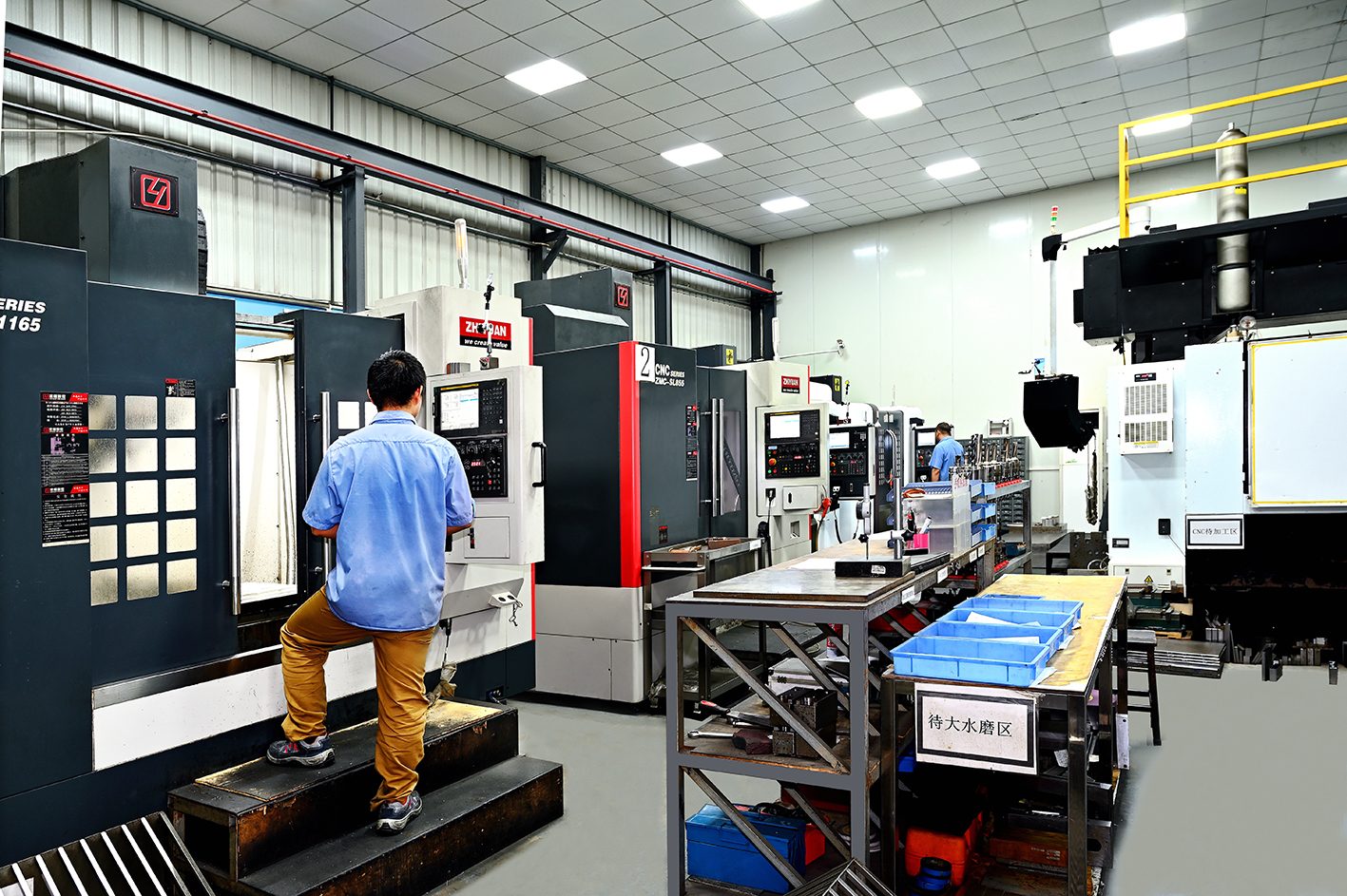
Every progressive die behind our stamped parts is 100% in-house stamping tooling — design, machining, assembly and T1 trial all under our roof. That is why tooling issues get solved on the shop floor in hours, not by email exchange with an outside die shop.
±0.001 mm Achieved
Combined machining accuracy down to ±0.001 mm, Ra0.05 µm surfaces and Ø0.05 mm micro end mills for tight die features.
30 In-House Machines
30 die-making machines — wire EDM, CNC and precision grinding — keep every die build and repair on our own schedule.
2–5 Weeks for Stamp Dies
Typical stamping die delivery in 2–5 weeks, with T1 trials run on our own presses before you commit to volume.
One Accountable Chain
Self-designed progressive dies, machined in-house, run at 60–300 SPM with CCD inline inspection — no outsourced-die handoff where quality falls between suppliers.
Engineering Support
Design-for-Manufacturability Support
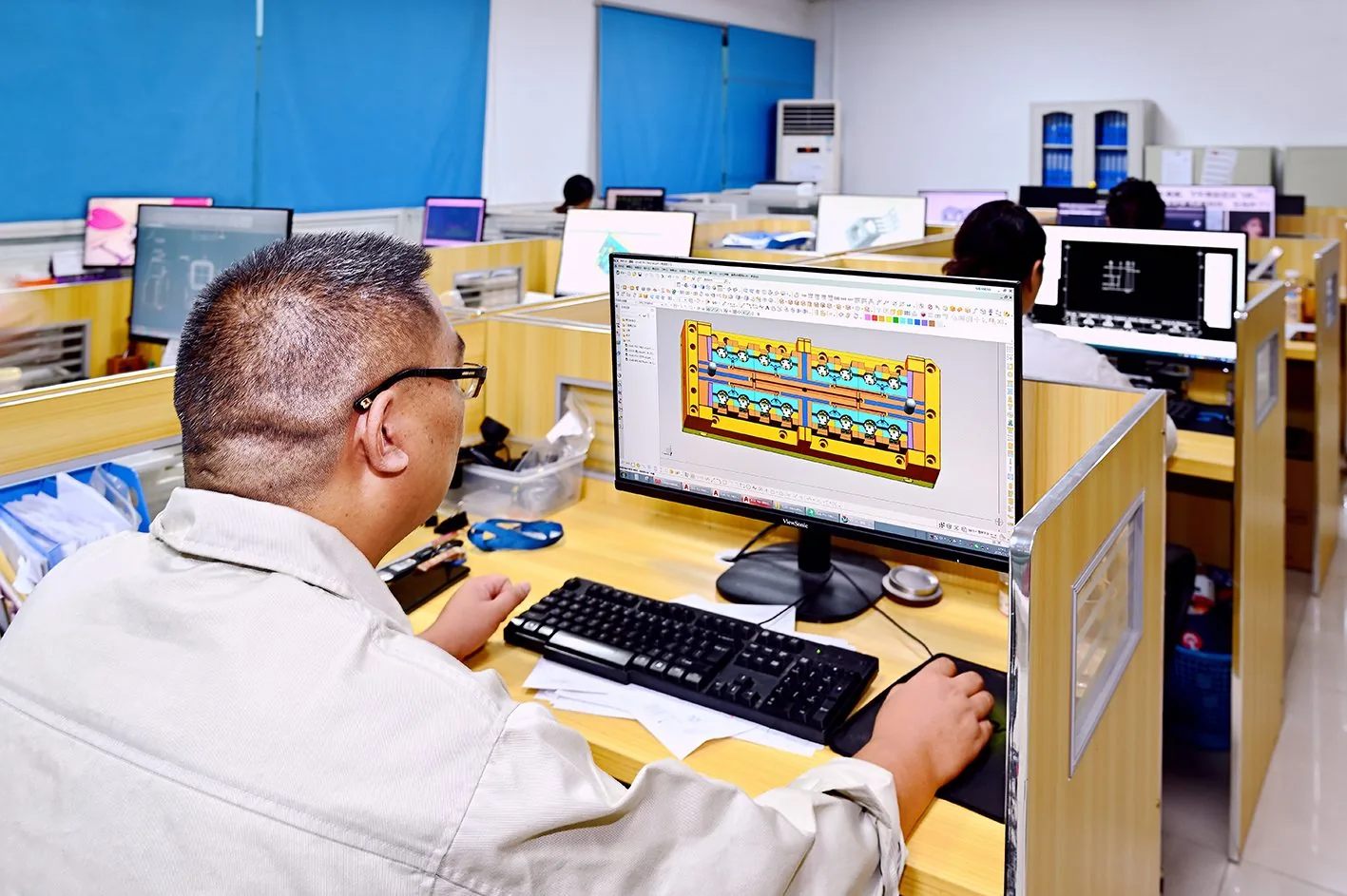
The three costly mistakes on heavy-gauge drawings: a bend radius tighter than the gauge allows (it cracks galvanized coating), holes placed inside the bend-allowable zone, and coating specs written as if post-HDG were invisible to tolerance. Our DFM pass marks up all three with the specific fix — reliefs, hole relocation, tolerance stack — and re-checks tonnage against the press fleet before we quote.
FAQ
Questions Buyers Ask
How thick a steel can you progressive stamp?
Up to 3.0 mm on the coil-fed heavy line, on 45 to 110 ton presses. Above that, laser or turret work plus press-brake forming is usually the honest route, and we will say so at DFM.
Do you stamp pre-galvanized or hot-dip after forming?
Both. HDG/SGCC strip runs on the line directly; when the drawing calls for hot-dip galvanizing after forming, we sequence stamping and bending first and manage HDG through approved partner lines with coating weight verified.
What tolerance holds on formed heavy parts?
±0.05 mm on formed features is the working number for heavy gauge; ±0.005 mm positioning applies on piloted pierce features where the die controls them.
Will bending crack the galvanized coating?
Only when the bend radius is too tight or the bend crosses a coarse spangle boundary. We set minimum bend radius by gauge and coating, and keep bend lines clear of the spec's fracture zone in the DFM review.
Can you support rail / infrastructure documentation?
Yes — first-article inspection, material certification per lot, coating verification and SPC on structural features. Programs run under IATF 16949:2016, which infrastructure buyers recognize from automotive supply.
Explore More
Recommended Products
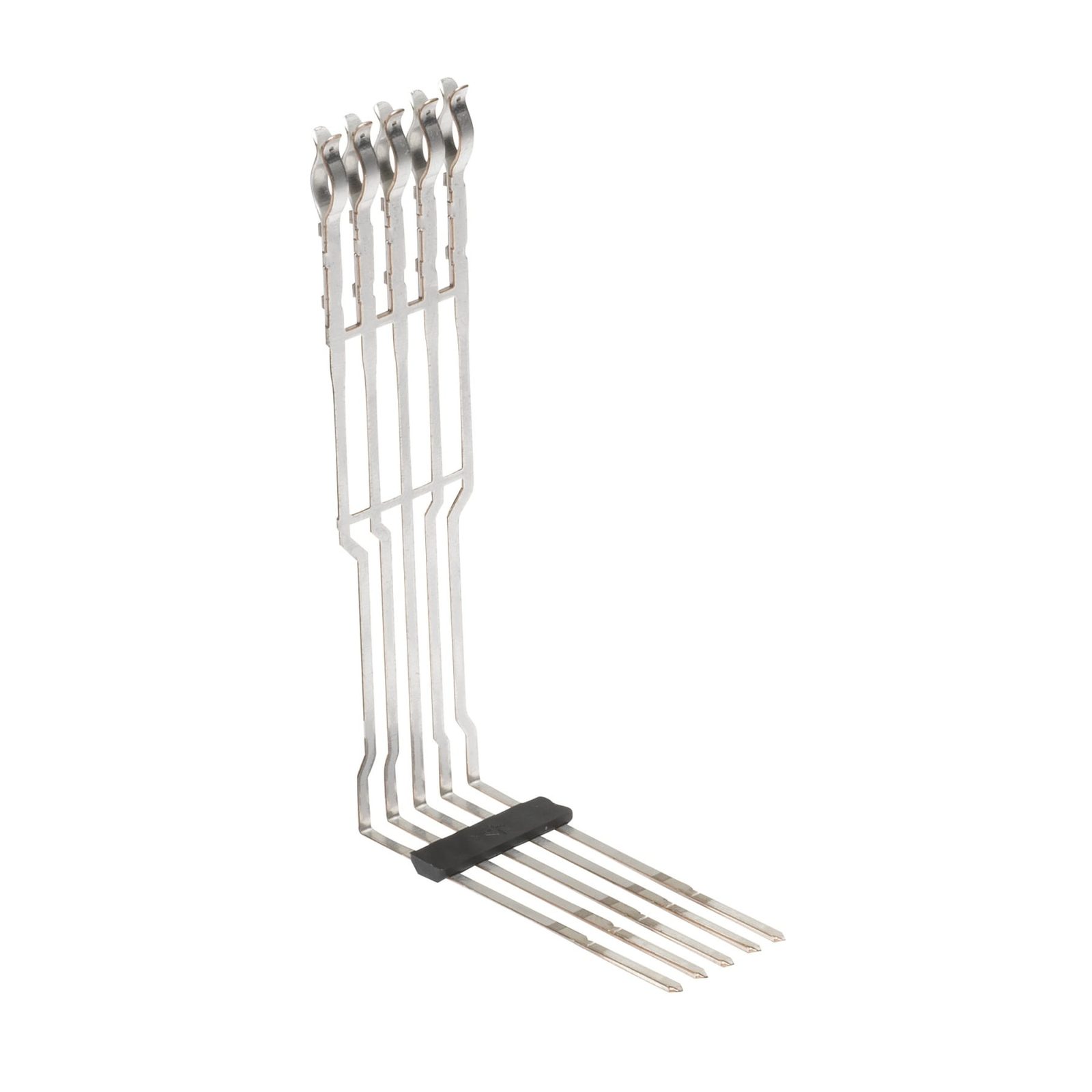
Thin-Gauge Lead Frames & Precision Stampings
Yes — ISTAMPING stamps lead frames and precision contact parts in thin strip from 0.05 mm (0.002 in) up, holding ±0.005 mm positional tolerance on piloted features using…
View Details
Stamped Battery Contact Blades
Yes — battery contact blades are a standard part we stamp: formed from beryllium copper C17200 or phosphor bronze on multi-up progressive dies, plated to your drawing's plating…
View DetailsTerminals
Terminals are necessary to connect various circuits or systems. Sometimes called electrical connectors, these components are used to transfer electrical current from a power or…
View Details