ISTAMPING

Pre-Plated Strip Stamping — ±0.005 mm on 0.05–3.0 mm strip, up to 300 SPM

Progressive die stamping of pre-tinned, pre-nickel and selectively gold- or silver-plated strip into contacts, terminals and pins. Dies are built in our own tool room, run on 21 presses from 25 to 110 tons at up to 300 SPM, held to ±0.005 mm on piloted features.

  • 0.05–3.0 mm strip
  • ±0.005 mm positional
  • up to 300 SPM
  • 21 presses · 25–110 T

Fast Engineering ResponseNDA ProtectedSTEP / IGES / X_T / DWG

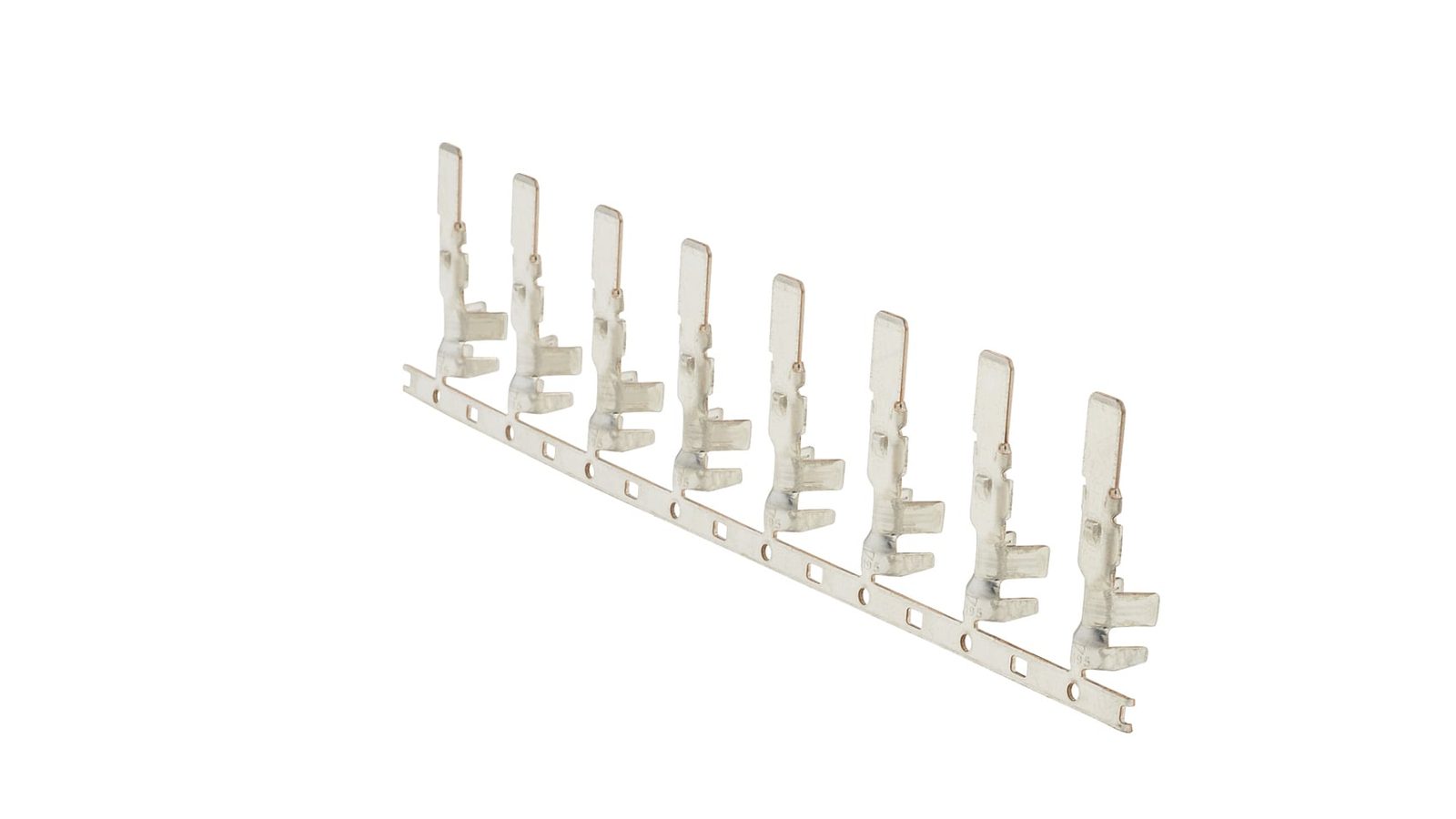
Selectively gold plated strip contacts stamped on a progressive die
Tolerance Control: ±0.005 mm
IATF 16949 Certified

Trusted Tier-1 & OEM Standards:

IATF 16949:2016 CertifiedISO 14001:2015PPAP DocumentationCMM + In-Line VisionFast DFM Feedback

PARTS WE STAMP

What We Stamp in Pre-Plated Strip

Pre-plated strip is specified where the finish is part of the function, not decoration: contact resistance, solderability, corrosion. Four part families carry most of that work here, and each one loads the die and the coating differently.

Connector contacts and terminals

Pre-tinned C11000 and C26000 terminals, board-to-board contacts, FPC pads and crimp barrels, usually 0.1 to 0.5 mm. The tin is already on the coil, so the die never meets a wet plating line and the part ships on reel: piercing and forming in one progressive tool, strip fed from a coil whose edge we locate, not a blank.

pre-tinned C110000.1–0.5 mmreel-to-reel

Relay, switch and timer contact springs

Phosphor bronze and brass springs with a selectively plated silver or gold face on the contact dome only. The stripe is narrow, so the die layout has to keep every forming station off that band. We run these at high speed with a stripper that never drags across the plated zone.

C51900stripe silverappliance timers

Selectively gold plated signal contacts

Gold belongs on the mating face and nowhere else — plating the whole part pays for gold that never touches anything. Stripe-plated coil lets the drawing define a narrow gold band, and the die cuts and forms around it so the gold lands on the contact crown after forming rather than being stretched over a bend.

stripe goldlow contact resistanceautomotive signal

Battery, busbar and grounding tabs

Heavier nickel-plated copper from 0.8 to 3.0 mm, cut into welded busbar tabs, battery contact faces and grounding straps. At this gauge the tonnage and the edge quality matter more than the finish; nickel survives the forming but not a careless shear, so clearance and punch condition are set at die design.

pre-nickel copper0.8–3.0 mmbattery / busbar

INSIDE THE PLANT

Pre-Plated Strip Stamping Lines, Tool Room and Inspection Floor

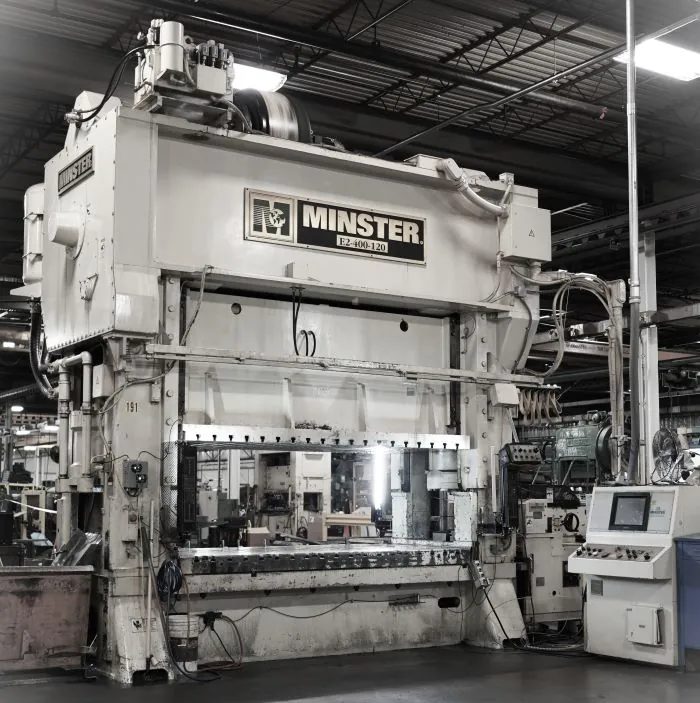
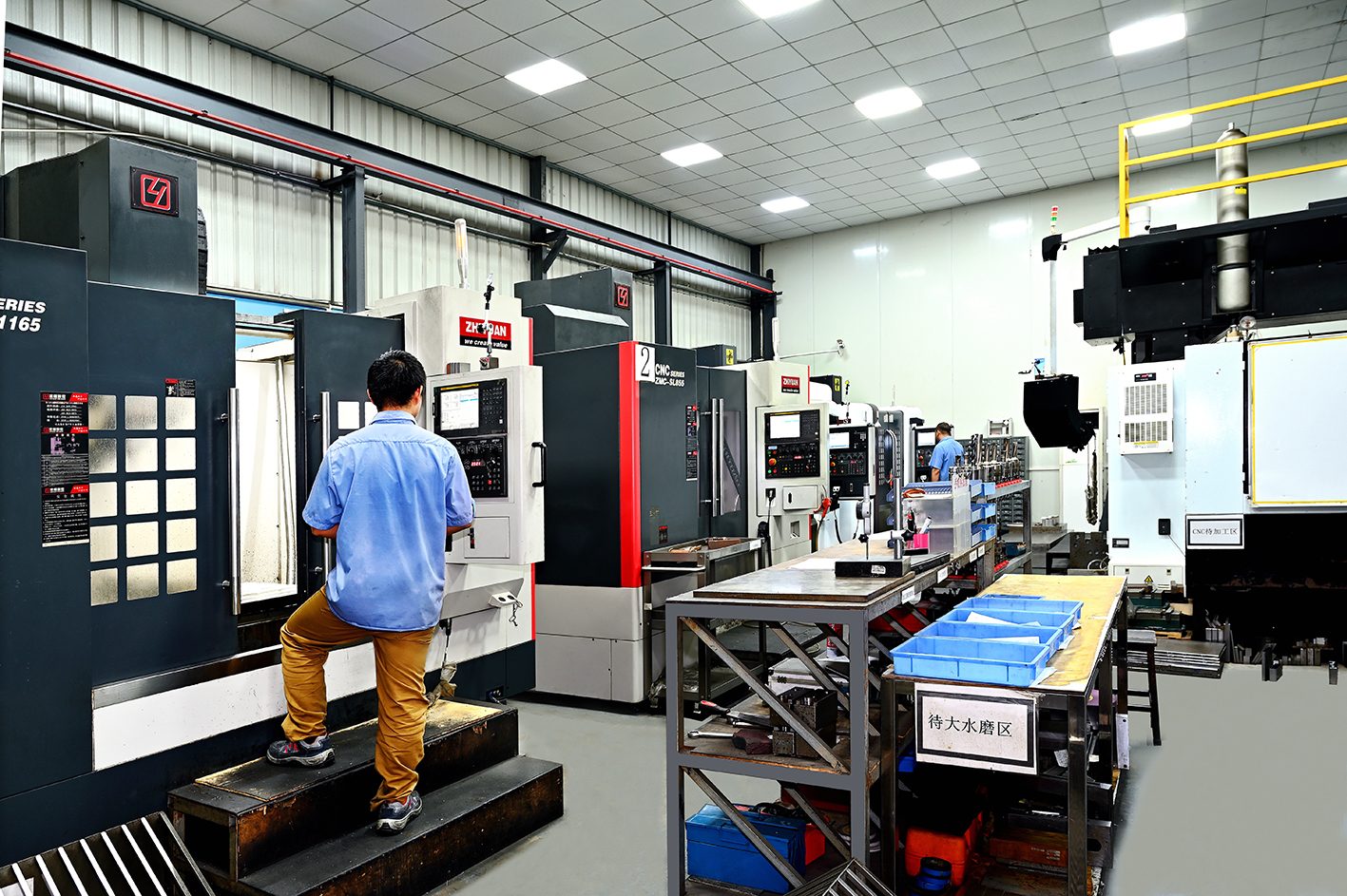
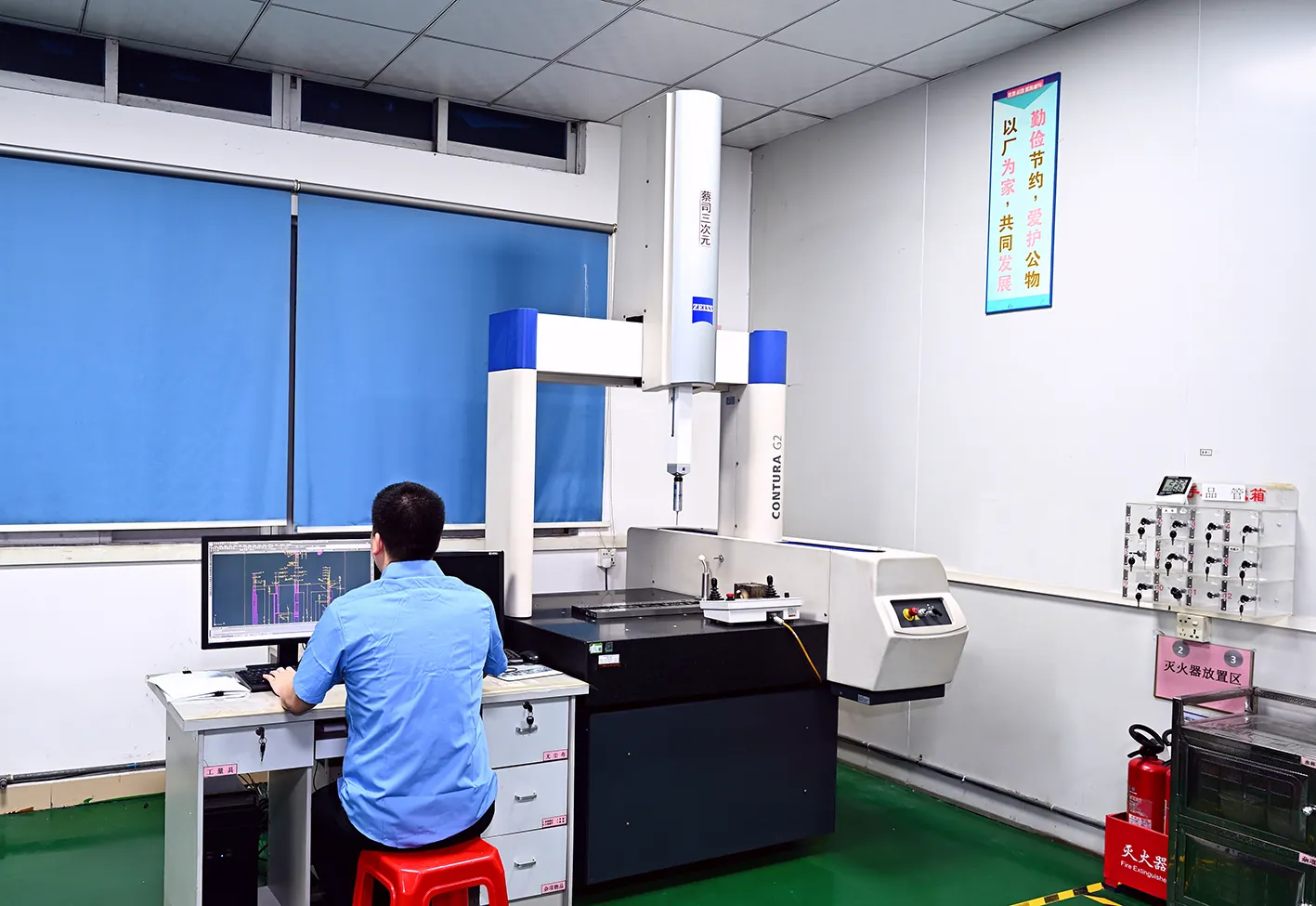
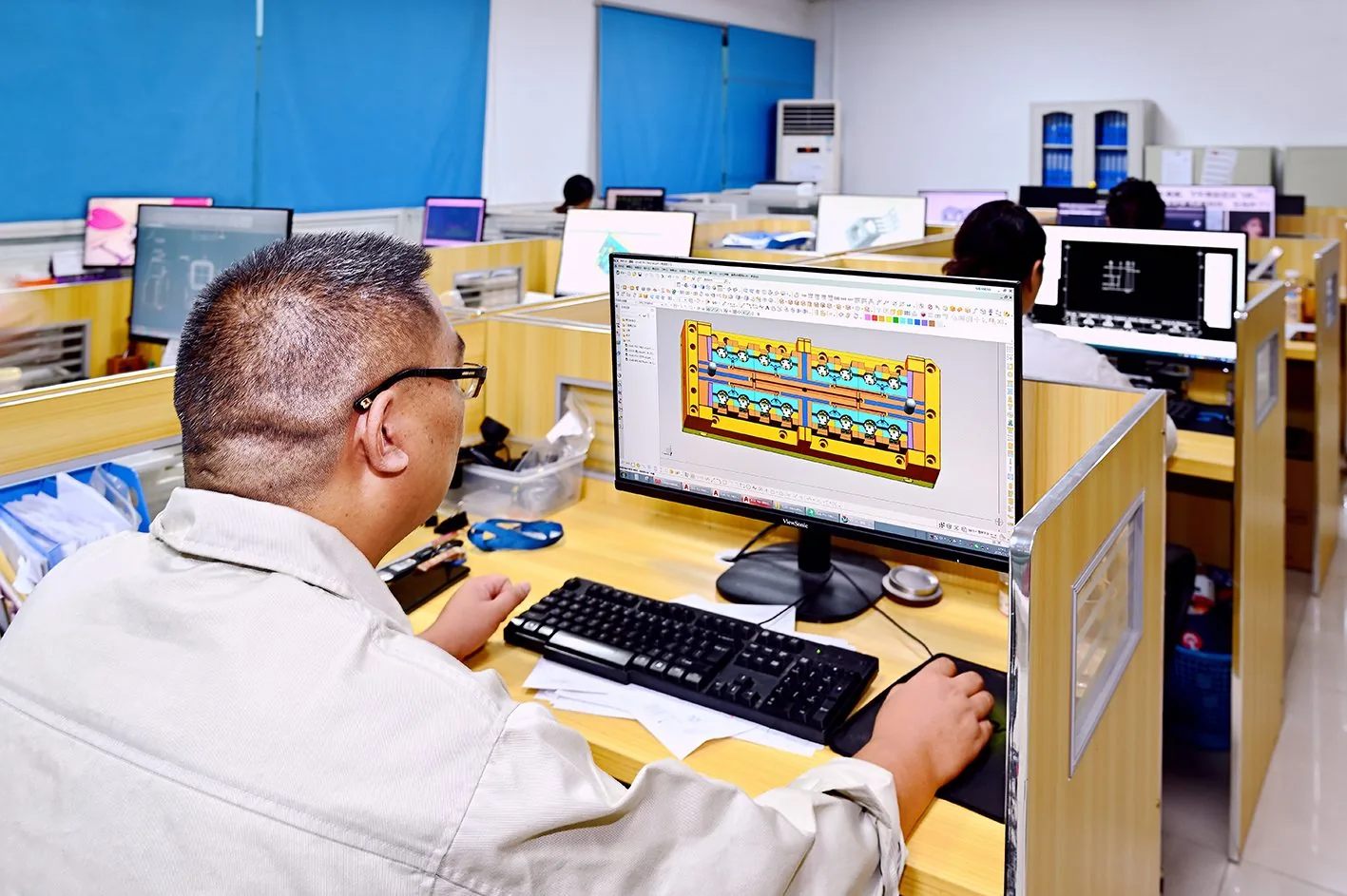
Real equipment and inspection floor from our Dongguan plant — 25–110T high-speed presses, in-house tool room, and a CMM lab running first-article inspection on every program.

Pre-Plated Strip progressive die stamping running on a high-speed press
Pre-Plated Strip Heavy gauge stamping press running progressive dies at the ISTAMPING plant
Pre-Plated Strip In-house tool room machining progressive die components
Pre-Plated Strip CMM measuring a stamped component in the in-house quality lab
Pre-Plated Strip Optical comparator verifying fine blanking edge quality
Pre-Plated Strip Engineers reviewing progressive die layout DFM before production

WHERE PRE-PLATED STRIP GOES WRONG

What Makes Pre-Plated Strip Harder to Stamp Than It Looks

The coating is already paid for when the coil arrives, and every scratch, crack and bare edge is a part you cannot repair. These are the four failures that decide whether a pre-plated program is cheap or a scrap generator.

01

Every sheared edge is bare base metal

The Challenge

A punched or trimmed edge has no plating on it — the coating stops where the fracture starts. On a tin-plated copper contact the bare edge oxidizes and the solder joint or the mating face degrades from the cut outward, which is a slow field failure rather than an obvious reject at the press.

02

The coating cracks on the outside of a bend

The Challenge

Tin, nickel and gold all elongate less than the copper under them. A bend at a tight inside radius stretches the outer fibre past what the coating can follow, and the result is a hairline crack or a lifted flake — invisible on the press, visible under a microscope at the customer's incoming inspection.

03

No tumbling, no re-plating, no second chance

The Challenge

The usual cures for a rough stamped part are barrel finishing, deburring and a plating pass — and pre-plated strip rules out all three. Parts that rub in a bin, get dragged by a stripper or land on a hard surface are scrap, and the scrap carries the full cost of the coating that was bought on the coil.

04

Stripe zones must register to the die, not the eye

The Challenge

Selective plating is applied as a band at a fixed position across the coil, so the whole die layout hangs off that band. A stripe that sits a fraction off, or a coil wound the other way, puts the plated zone on a bend instead of the contact crown — useless, though every dimension measures in tolerance.

HOW WE STAMP IT

What We Hold in Production

The values we quote and inspect against on plated-strip work. Coating thickness and adhesion come from the strip supplier's certificate and are verified again on the first article, not assumed.

Specification ParameterWhat We HoldHow It Is Controlled
Strip thicknessCoil certificate plus in-process thickness check
Positional toleranceFirst-article CMM at 0.001 mm resolution
Formed dimensionsCMM and optical, SPC on the critical bends
Stamping speedPress chosen for the part and the coating, not the calendar
Press fleetThin plated contacts on high-speed frames, heavy nickel copper on larger presses
Dies30 machining machines behind the tool room
Quality systemPPAP, coil certificates, lot traceability
Coating verificationSupplier certificate reviewed, first-article and in-line vision on the plated face
TOOL ROOM

Die design and build

Plated-strip dies are designed around the coating: guided strippers, polished inserts, no abrasive finishing after form. Layout, machining and assembly under one roof.

PRESSES

21 presses, 25–110 tons

Thin plated contacts run on the high-speed frames at up to 300 SPM; nickel-plated copper from 0.8 to 3.0 mm runs on the larger presses.

INSPECTION

CMM, optical and in-line CCD

First-article CMM at 0.001 mm, optical and profile for edges and radii, in-line vision watching the plated face for scratches, skips and bare cut edges.

FINISHING

Pre-plate verification, managed post-plate

Incoming coil certificates checked against the drawing before the die runs. Where a program needs plating on bare strip instead, that goes through managed partner lines with the same test regime.

From Drawing to Production

01

DFM review

Base grade, temper, coating, stripe position and feed direction settled before a die is cut — including whether pre-plated strip is the right route at all.

02

Die build

Progressive layout with the stripe datum as the reference, guided strippers and polished inserts wherever the coating meets the tool.

03

Try-out and first article

Run on the production coil: formed bends, plated zone and cut edges checked on the CMM and under magnification, PPAP documentation raised.

04

Production and SPC

Counted-stroke tool maintenance, in-line vision on the plated face, SPC on the dimensions the drawing controls, reel or tray packing.

STRIP AND SUPPLY

Pre-Plated Strip: Coating Specs, Stripe Layout and Supply

We stamp plated strip, we do not sell it. What we do is confirm the coating spec is stampable, fix the stripe datum and quote the coil as material plus conversion.

Base grade and temper first

The coating sits on a substrate that still has to form: C11000 or C19400 for conductivity, C26000 and C26800 brass for terminals, C51900 when the part is a spring. Temper decides springback, and a temper change on a plated program means the bend stations are re-checked, not assumed.

What the coating call-out must say

Tin for solderability, nickel for wear and barrier, silver for current, gold for low contact resistance — overall or as a stripe, with thickness and adhesion on the supplier certificate. A drawing that names the metal but not the zone gets a DFM question before tooling.

You supply or we procure

Either you send coil to your own specification, or we buy the grade, temper, width, coating and stripe position you name and quote material plus conversion. Coil certificate, stripe datum and feed direction are agreed in writing before the first stroke.

Grades we run

C11000C19400C26000C26800C51900C70250SECC

BEFORE YOU SEND THE DRAWING

DFM Checklist for Pre-Plated Strip Stampings

Eight checks worth making on a plated-strip drawing before tooling — they decide whether the coating survives the die or becomes scrap.

  • Bend radius: inside radius at 1.5× strip thickness or more on plated faces — the coating cracks before the base metal does at tight radii.
  • Bend line versus stripe: keep the plated band off the bend's outer fibre, and say which face carries the plated zone after forming.
  • Bend line versus rolling direction: bend across the rolling direction; along it raises edge cracking and coating lift on hard tempers.
  • Cut edges: state whether bare base metal at a sheared edge is acceptable, and where — on a contact face it usually is not.
  • Coating zone: define overall or stripe, the band position relative to a coil edge, and the tolerance on that position; the whole die layout hangs off it.
  • Hole and slot size: 1× strip thickness minimum, and keep punched holes away from the plated contact crown so burr does not sit on the mating face.
  • Handling: no tumbling, no barrel deburr, no re-plating — design the part so it can be packed on reel or in trays without parts rubbing.
  • Tolerance stack: ±0.005 mm covers piloted positional features; formed dimensions accumulate springback, so name the formed dimensions that are critical.

ORDERING & FAQ

How to Order Pre-Plated Strip Stampings & Frequently Asked Questions

From drawing to delivered parts: a four-step path with engineering review at the front and 100% dimensional inspection at the back — then the questions buyers ask us most.

Submit CAD & Specs

Send 2D/3D drawings (STEP, DWG, PDF) with quantity, material, and tolerance requirements.

DFM Feedback & Quotation

Our engineering team conducts DFM analysis and follows up with a competitive quote after the review.

Precision Manufacturing

High-speed progressive die stamping, secondary forming, finishing, and surface treatment per your specifications.

100% QC & Express Shipping

100% dimensional inspection, anti-corrosion packaging, and global express delivery.

01

Do you supply the plated strip, or do we?

Either. We are a stamper, not a strip distributor. You can send coil to your own specification, or we procure the grade, temper, width, coating and stripe position you name and quote material plus conversion with the mill certificate on file.

02

Which coatings can you run?

Pre-tinned, pre-nickel, and selectively plated silver or gold strip, overall or as a stripe. Tin covers solderability, nickel covers wear and barrier duty, silver carries current, gold keeps contact resistance low on signal faces.

03

What is the thinnest plated strip you can stamp?

0.05 mm at the thin end of our range, up to 3.0 mm at the heavy end. Thin plated contacts run on the high-speed presses; nickel-plated copper for busbar tabs runs on the larger presses.

04

Can you plate after stamping instead?

Yes, through managed partner lines, when the drawing needs an overall finish, a heavier deposit or a plated zone a stripe cannot reach. Pre-plated strip is usually cheaper and faster, but it removes tumbling and rework from the route.

05

What tolerance can you hold on plated parts?

±0.005 mm on piloted positional features, verified on a CMM at first article, and ±0.01 mm on formed dimensions the drawing controls. Coating thickness and adhesion come from the strip supplier and are re-checked on the first article.

06

Will the coating crack when you bend it?

It can, if the inside radius is tighter than the coating allows. We set radii against the coating at DFM, keep bends across the rolling direction, and check formed plated edges at first article before production starts.

Ready to Start Your Precision Stamping Program?

Send your drawing today — engineering runs a free DFM review and detailed pricing follows the review.

100% Confidential | NDA Protected | 24H Response