
Terminals
Terminals are necessary to connect various circuits or systems. Sometimes called electrical connectors, these components are used to transfer electrical current from a power or grounding source to an electrical system.
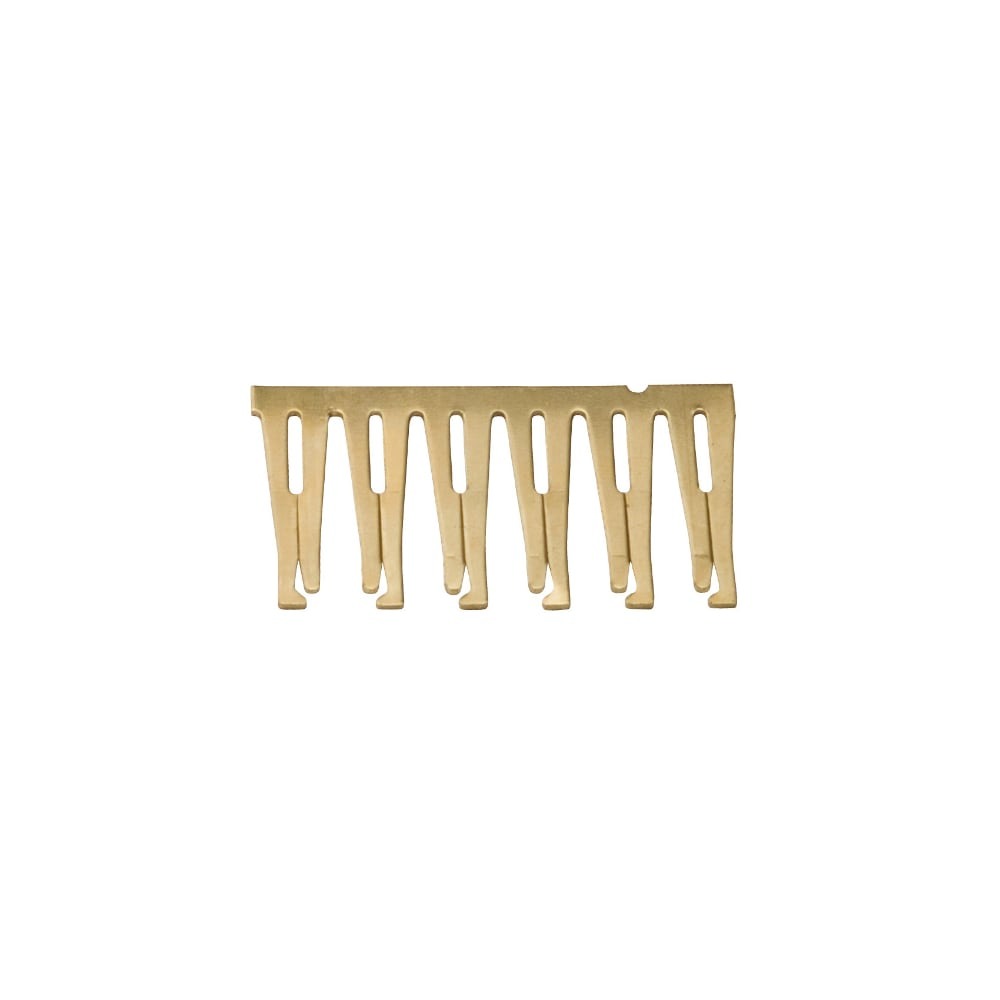
Browse the full stamped parts range for more details.
Why Terminals
Terminals are necessary to connect various circuits or systems. Sometimes called electrical connectors, these components are used to transfer electrical current from a power or grounding source to an electrical system.
- Since terminals are the contact point between a device's power source and electrical system, operating failure is caused by fit, form or functional issues. When ISTAMPING supplies your terminals, you can rest assured they fit, conform and function as intended. 3D modeling and tooling simulation, sensor and inspection technology, and precision German-style tooling and stamping techniques enable us to produce high-quality, conforming parts repeatedly and at a competitive price.
- In modern devices, almost all internal systems are controlled by an array of electrical terminals and connectors. These increasingly complex components manage a variety of functions while delivering critical feedback in real-time.
- Optimize device performance with high-quality terminals from ISTAMPING. We are a precision supplier of stamped metal parts and assemblies for use in a variety of industries, and we specialize in precision terminals for demanding applications.
OPTIMAL TERMINAL PERFORMANCE
Since terminals are the contact point between a device's power source and electrical system, operating failure is caused by fit, form or functional issues. When ISTAMPING supplies your terminals, you can rest assured they fit, conform and function as intended. 3D modeling and tooling simulation, sensor and inspection technology, and precision German-style tooling and stamping techniques enable us to produce high-quality, conforming parts repeatedly and at a competitive price.
Types of Terminals We Produce
Technical Specifications
Material thickness
0.10 – 3.0 mm
Strip width
Up to 650 mm
Positioning precision
±0.005 mm
Press capacity
25 – 80 tons (high-speed)
Production speed
Up to 300 SPM
Plating
Selective gold / silver / tin / nickel
Common Materials
- C1100 / C10200 Copper
- C5191 / C5210 Phosphor Bronze
- C17200 Beryllium Copper
- C26000 / C36000 Brass
- Stainless Steel SUS301 / 304
How We Manufacture Terminals
Design & Engineering
We review component geometry, mating requirements and electrical performance to engineer progressive tooling that delivers consistent contact quality across long production runs.
Progressive Die Tooling
Precision progressive dies are built in-house to form complex terminal and connector features while maintaining strip integrity at high speeds.
High-Speed Stamping
Terminals are stamped in high volume with in-process monitoring, holding tight tolerances run after run on presses up to 300 SPM.
Selective Plating
Reel-to-reel selective plating applies gold, silver, tin or nickel finishes only where contact performance requires - controlling cost while preserving conductivity.
Assembly & Insert Molding
In-die assembly and secondary operations integrate inserts or additional components, including insert molding for finished connector assemblies.
Inspection & Quality Control
Dimensional and visual inspection under IATF 16949 systems verifies fit, finish and electrical reliability before shipment.
Design-for-Manufacturability Support
Our engineers review your part geometry at the quoting stage and recommend design-for-manufacturability adjustments - material selection, bend radii and tolerance relaxation - that lower tooling cost and part price without compromising electrical performance. We also take over existing dies and optimize them for our high-speed presses.
FAQ
Questions Buyers Ask
What materials are stamped terminals made from?
We stamp copper alloys, phosphor bronze, beryllium copper, brass, nickel silver and stainless steel. Material is matched to your conductivity, spring force and corrosion-resistance requirements.
Can you plate terminals selectively?
Yes. Reel-to-reel selective plating applies gold, silver, tin or nickel only where electrical performance requires it, which controls cost while maintaining conductivity and durability.
Do you supply terminals on reels for automated assembly?
Yes. Terminals and contacts can be produced in reel-to-reel strip form for automated assembly or as loose pieces, depending on your downstream process.
How do you ensure quality on high-volume terminal programs?
Every program starts with a feasibility review and run-at-rate study. In-line camera vision systems and sensor technology inspect every part during stamping, supporting zero-defect, high-volume delivery.
What is the typical lead time?
Prototype parts can be produced within 2–3 weeks; production lead times depend on tooling complexity and volume. Contact us with your drawings for a firm schedule.
Recommended Products
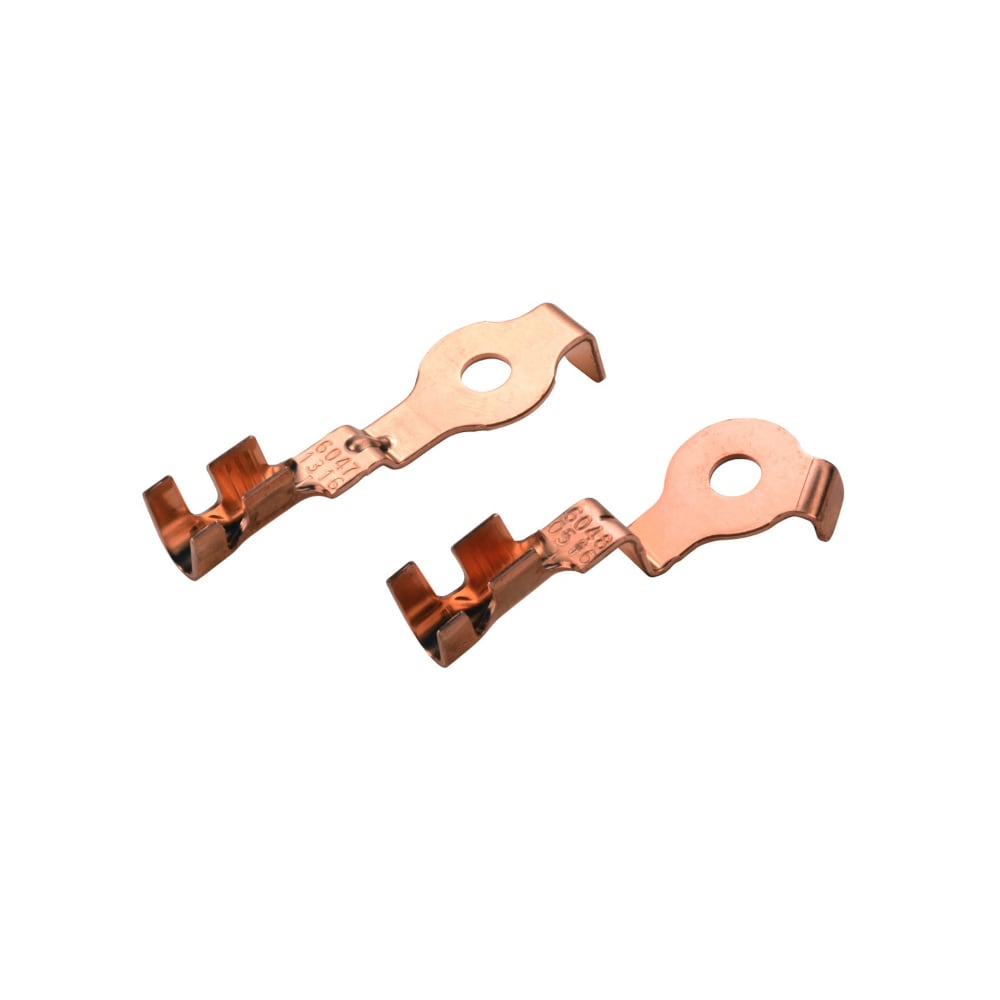
Wire & Cable Connectors
Wire and cable connectors, also known as crimp terminals, crimp wire connectors, crimp cable connectors and eyelet terminals serve a simple but essential purpose of connecting electrical wires and cables to other parts and modules within the entire electrical system of vehicles, appliances, control systems and other electrical applications.
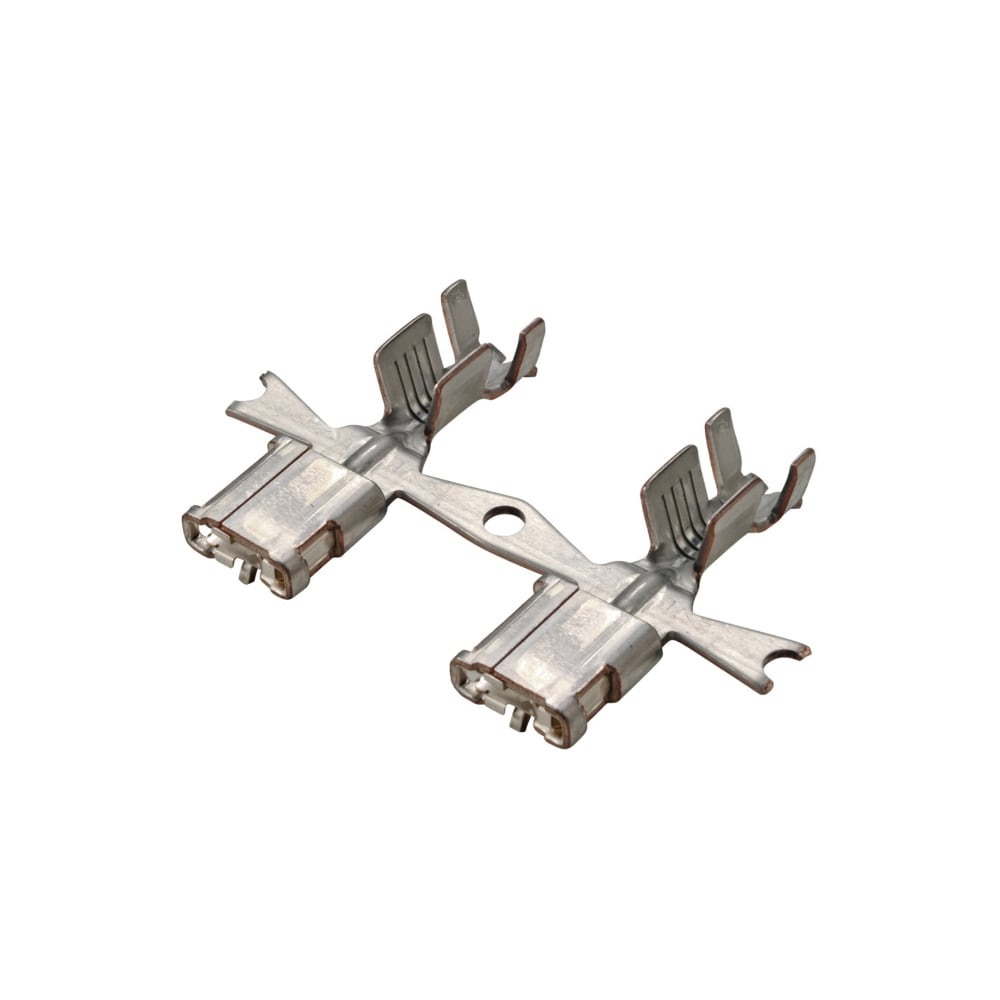
Assemblies
Assemblies are complete finished products or sub-assemblies built from multiple stamped components joined together - often combining metal stampings with plastic parts, hardware and inserts.
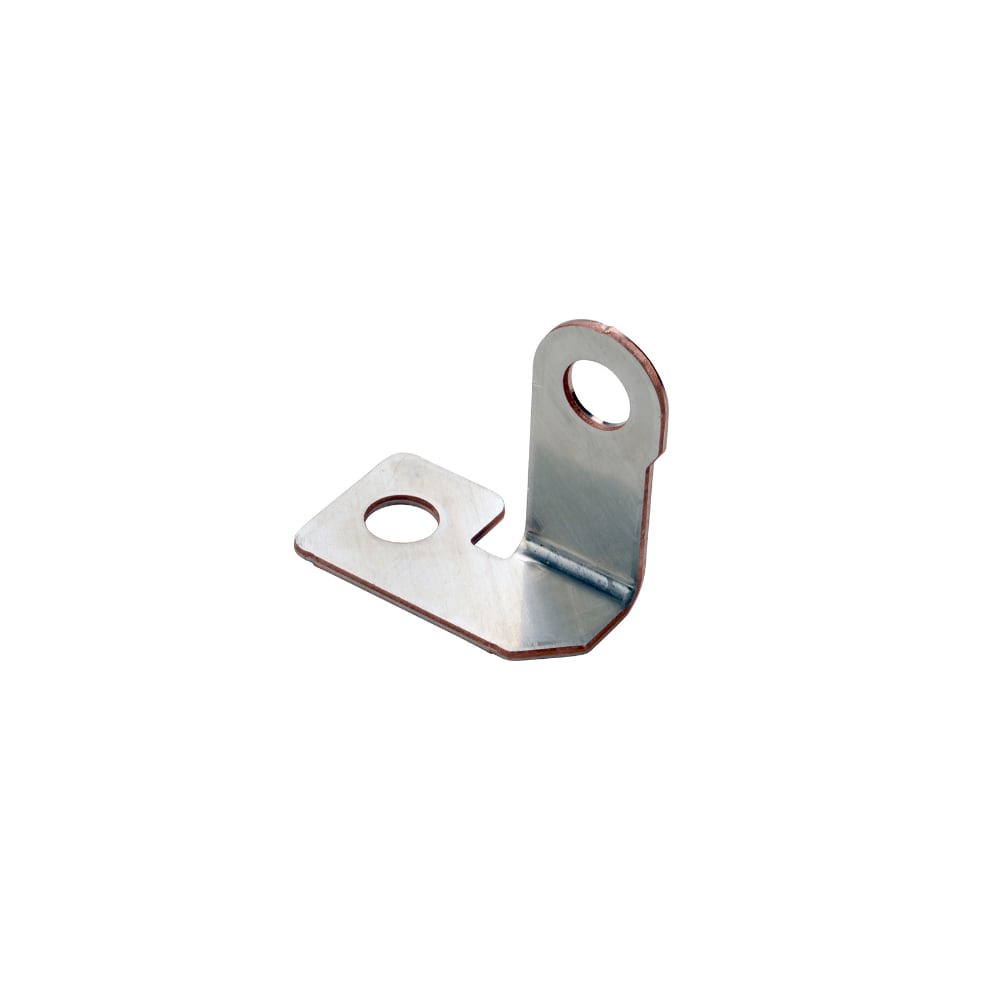
Brackets
Brackets are structural stamped components used to mount, support or secure parts in applications across buildings, automotive, electronics and appliances.