ISTAMPING

Copper Part Stamping — ±0.005 mm on 0.05–3.0 mm strip, up to 300 SPM

Progressive die stamping of copper busbars, terminals, contacts and heat sinks — dies designed and built in our own tool room, run on 21 presses from 25 to 110 tons at up to 300 SPM, held to ±0.005 mm on piloted features.

  • 0.05–3.0 mm strip
  • ±0.005 mm positional
  • up to 300 SPM
  • 21 presses · 25–110 T

Fast Engineering ResponseNDA ProtectedSTEP / IGES / X_T / DWG

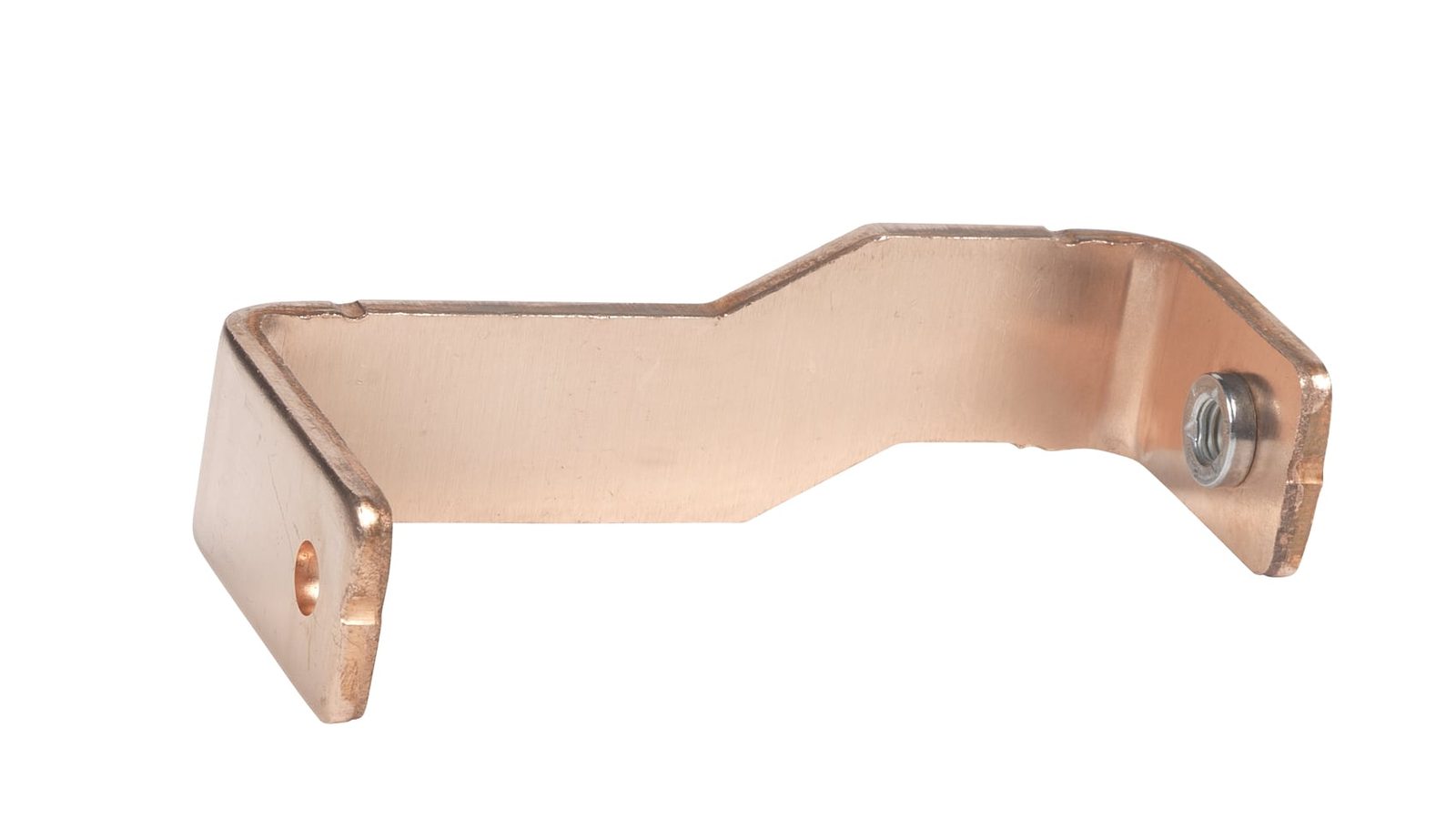
Stamped C11000 copper busbars for energy-storage cabinets, formed on a progressive die
Tolerance Control: ±0.005 mm
IATF 16949 Certified

Trusted Tier-1 & OEM Standards:

IATF 16949:2016 CertifiedISO 14001:2015PPAP DocumentationCMM + In-Line VisionFast DFM Feedback

PARTS WE STAMP

What We Stamp in Copper

Copper gets specified where a part carries current or moves heat. These four families cover most of the copper metal stampings that run here, and each one carries its own die approach, plating route and inspection plan. Where a drawing arrives as a stamped copper part with no grade called out, we ask before we quote.

Busbars and battery interconnects

Blanked and formed busbars for inverter, rectifier and battery-pack builds — corner cuts, offset jogs and mounting slots in one progressive tool, so a finished bar leaves every stroke. We run C11000 and C12200 at the heavy end of our range; wide cross-sections need tonnage matched to shear area, not guessed.

C110001.0–3.0 mmtin / silverenergy storage
Terminals, lugs and contact bridges

Ring and spade terminals, lugs, contact bridges and battery posts from soft copper strip, typically 0.2–1.0 mm. Copper forms easily and marks just as easily, so the die faces that touch the contact side are polished and the lubricant is matched to whatever plating is on the strip.

C110000.2–1.0 mmtin platedEV / switchgear

Heat sinks and thermal spreaders

Stamped copper fins and spreaders for set-top boxes, power supplies and LED drivers, where an extruded profile will not fit the enclosure. Copper takes the fin pattern from 0.6 mm up; because those faces are soft, parts are plated with protective media and packed to arrive scratch-free.

0.6–2.0 mmbright tinthermalelectronics

Grounding straps, shunts and laminations

Grounding straps, shunts, stud assemblies and stamped copper laminations. Where the drawing calls for copper-to-copper joining, brazing and resistance welding are set up alongside stamping, and heavy-gauge slitting and blanking run on the larger presses in the fleet rather than forced onto a light frame.

brazed joints2.0–3.0 mmlaminationspower distribution

INSIDE THE PLANT

Copper Stamping Lines, Tool Room and Inspection Floor

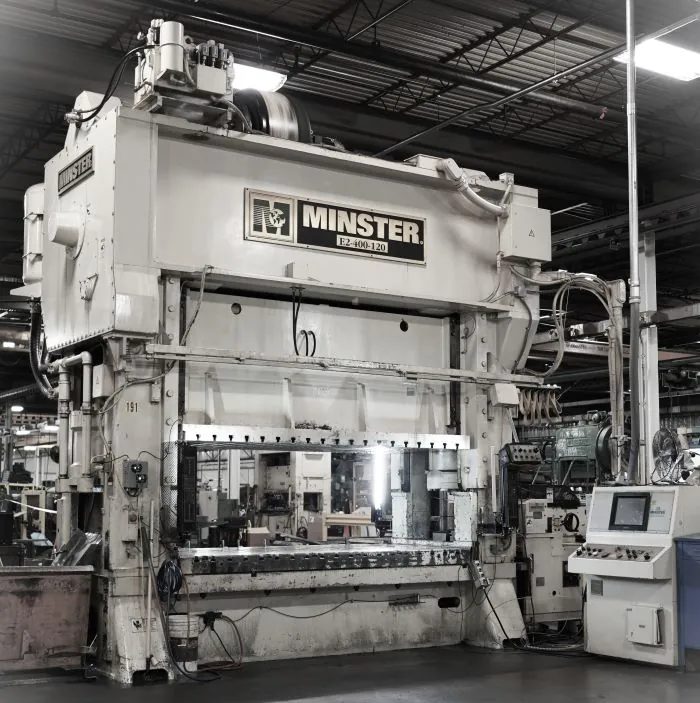
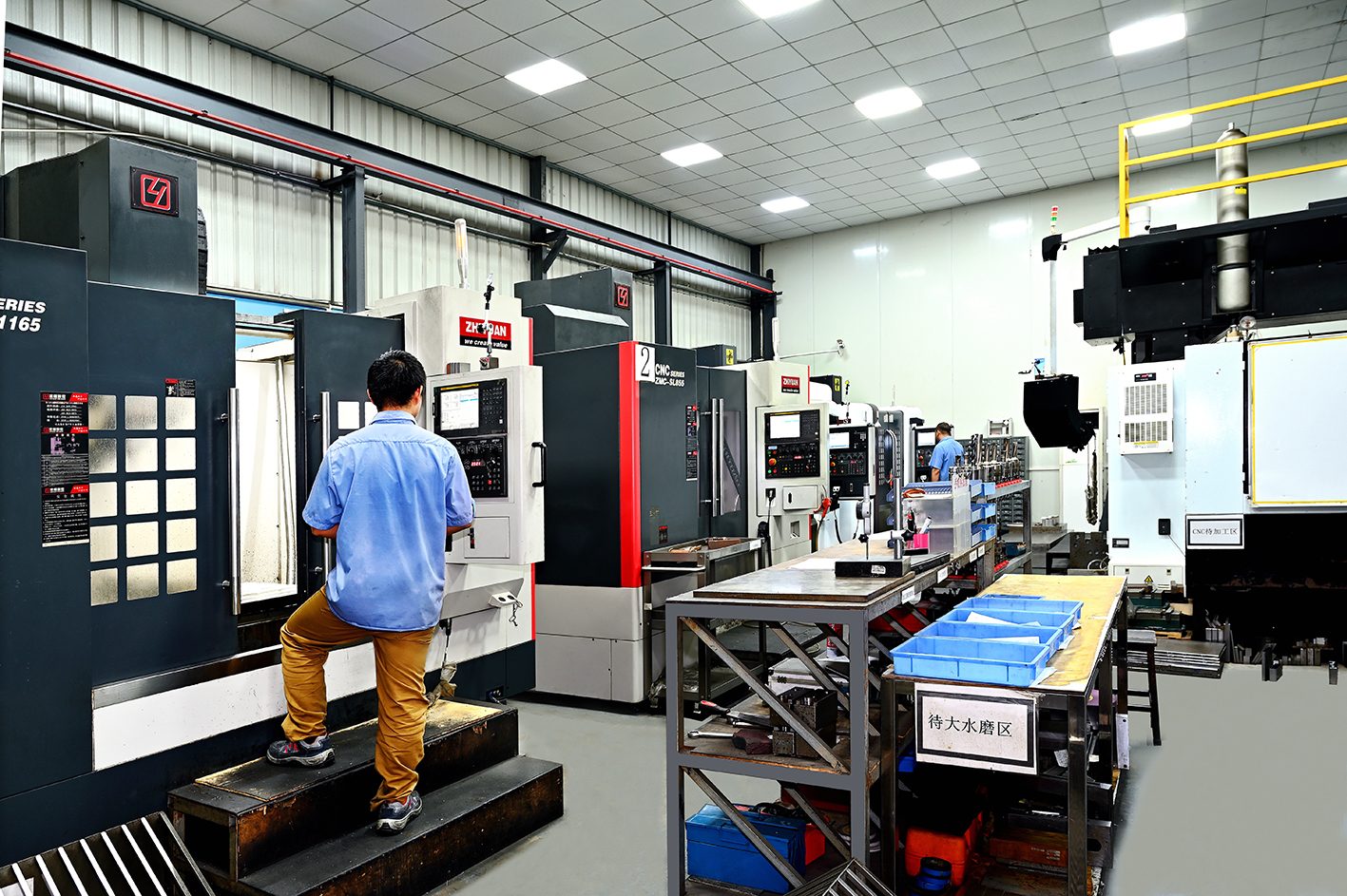
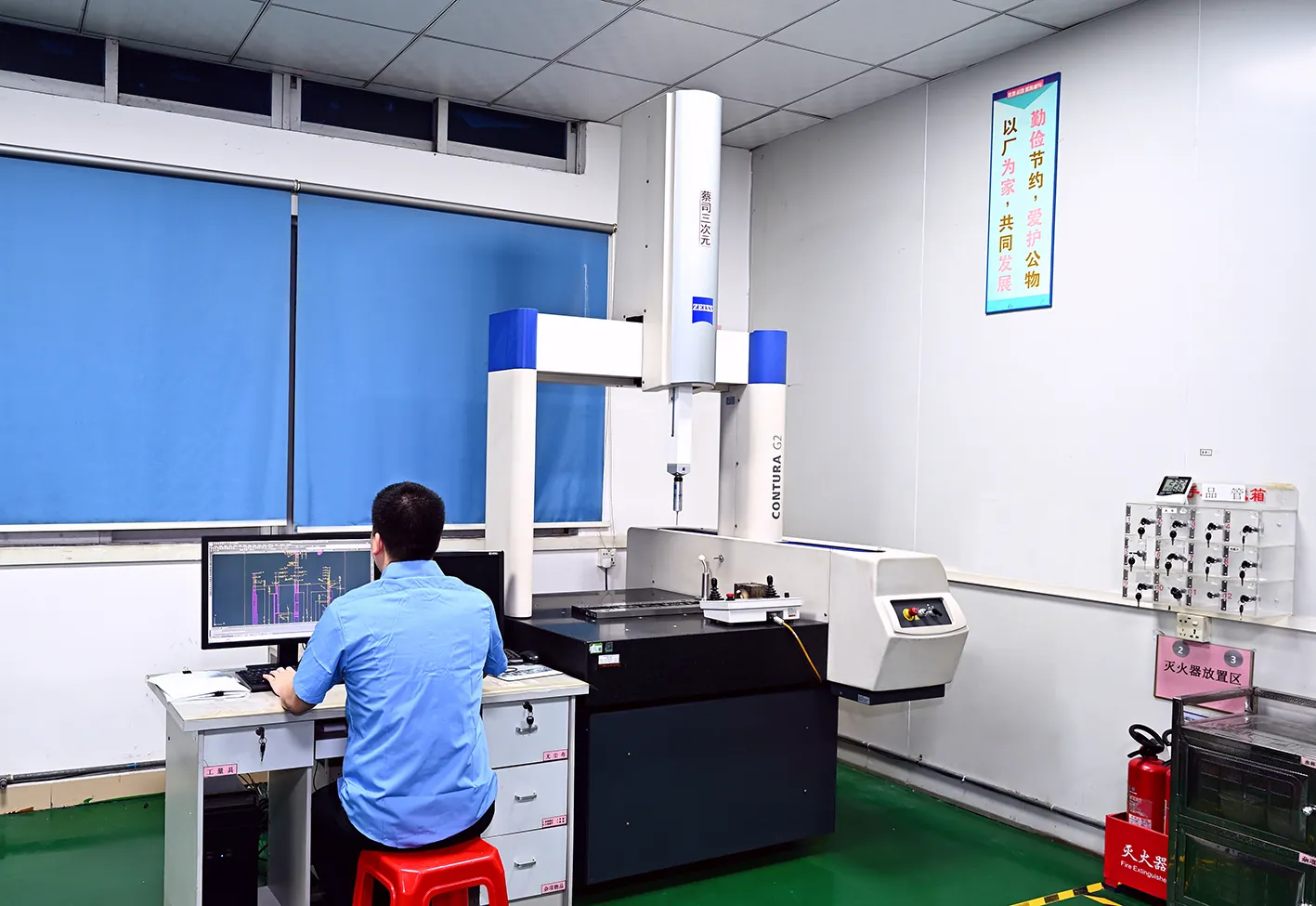
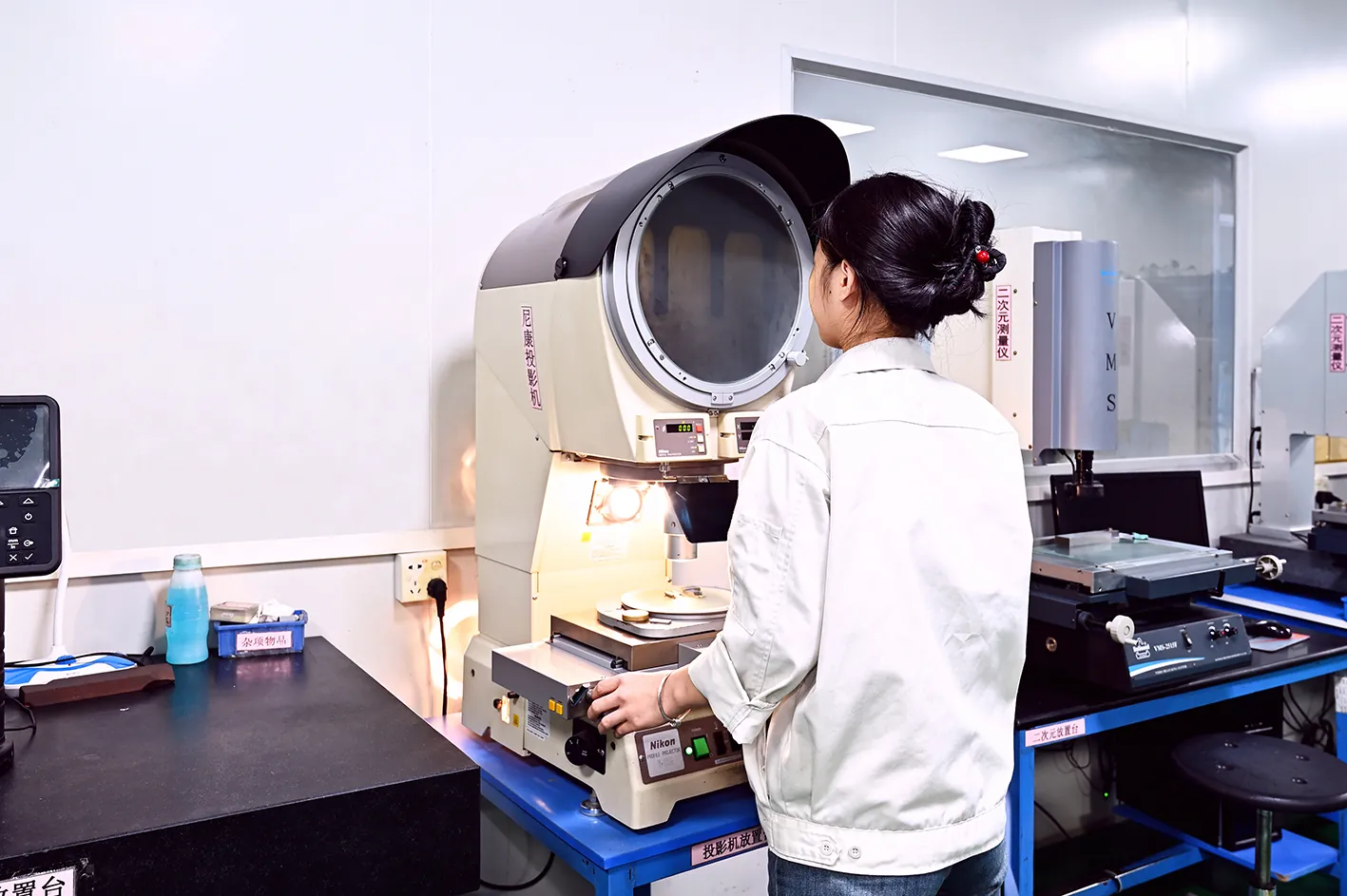
Real equipment and inspection floor from our Dongguan plant — 25–110T high-speed presses, in-house tool room, and a CMM lab running first-article inspection on every program.

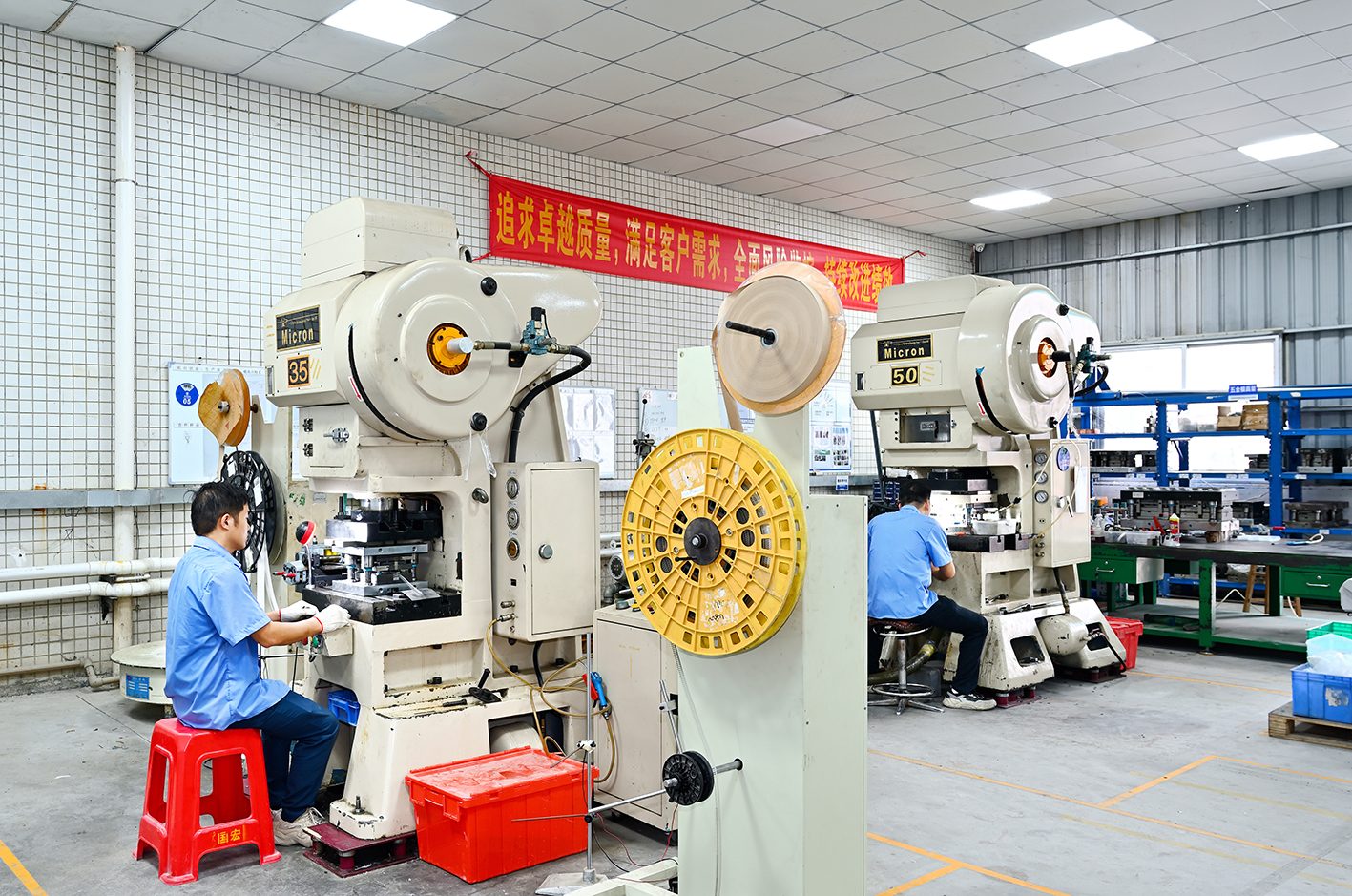
Copper progressive die stamping running on a high-speed press
Copper Heavy gauge stamping press running progressive dies at the ISTAMPING plant
Copper In-house tool room machining progressive die components
Copper CMM measuring a stamped component in the in-house quality lab
Copper Optical comparator verifying fine blanking edge quality
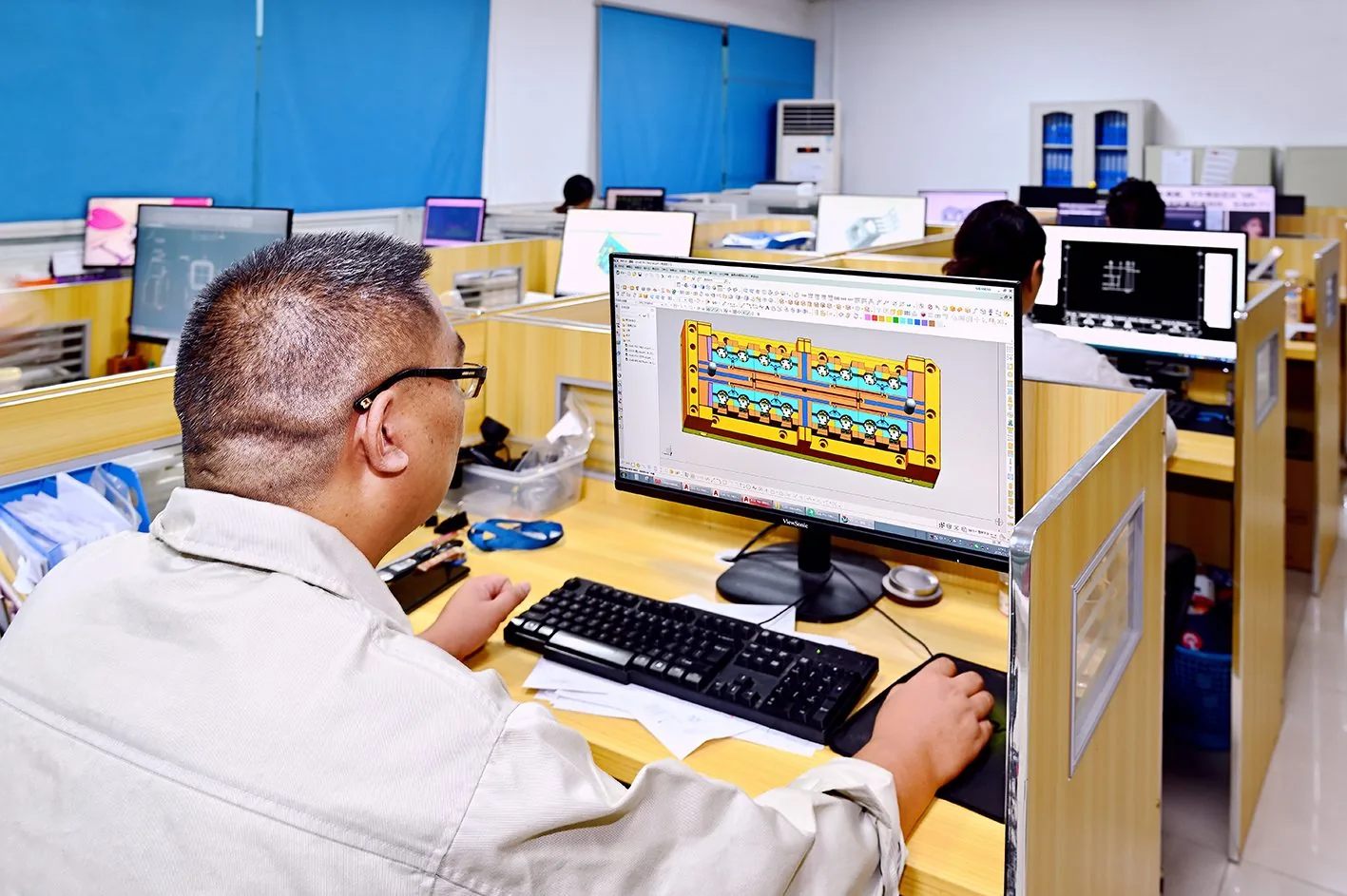
Copper Engineers reviewing progressive die layout DFM before production

WHERE COPPER GOES WRONG

What Makes Copper Harder to Stamp Than It Looks

Copper is forgiving to draw and unforgiving to handle: it picks up on tool steel, moves after forming, oxides in days, and shears with a shock load at heavy gauge. These four failures get engineered out of custom copper stampings before the first production coil, and the same four decide what a copper stamping die is built from.

01

Soft copper cold-welds to the tool

The Challenge

Copper is soft and chemically clean, so it picks up on bare tool steel and then tears. Pickup starts as a dull patch on a forming radius, grows into a scored part, and only shows on a dimension when the die already needs polishing — on heavy busbar stock that can happen inside one shift.

02

Bends drift after the part leaves the press

The Challenge

Copper's springback is small, which is why it forms cleanly — but soft temper also means a formed busbar keeps moving in handling, packing and shipping. Bars that measured inside tolerance at the press arrive out of flat, and the assembly station ends up straightening parts before mounting.

03

Heavy gauge edges and shear shock

The Challenge

At 2 to 3 mm, copper shears with a shock load and leaves a long burr if clearance is wrong. Slivers and rolled edges on a busbar become a short-circuit risk in service, and punching thick stock hard on a light press costs tool life and flatness at the same time.

04

Oxide, tarnish and the wrong plating

The Challenge

Bare copper oxides in days, and an oxide film on a joint face raises contact resistance and ruins solder wetting. Tin, silver and nickel each solve a different problem — tin for solderability and cost, silver for the lowest joint resistance, nickel as a wear barrier — and the wrong choice fails in the field, not at the press.

HOW WE STAMP IT

What We Hold in Production

These are the values we quote and inspect against on copper work: the gauge range the presses hold, the tolerance the CMM verifies, and nothing written for marketing.

Specification ParameterWhat We HoldHow It Is Controlled
Strip thicknessCoil certificate + in-process thickness check
Positional toleranceFirst-article CMM at 0.001 mm resolution
Stamping speedHigh-speed frames for thin contacts, slower strokes on heavy busbar
Press fleetTonnage matched to the shear area of the part
Dies30 machining machines behind the tool room
Quality systemPPAP, mill certificates, lot traceability to the coil
InspectionCMM, optical and profile, in-line CCD on critical features
Surface and platingQualified finishers, anti-tarnish on bare copper, incoming film and adhesion checks
TOOL ROOM

Die design and build

Progressive die design, machining and assembly under one roof. On copper that matters most at the forming stations, where pickup, bend compensation and edge condition are settled.

PRESSES

21 presses, 25–110 tons

Thin copper contacts on the high-speed frames at up to 300 SPM; busbar and lamination stock from 1.5 to 3.0 mm on the larger presses, with tonnage margin for shear shock.

INSPECTION

CMM, optical and CCD

First-article CMM at 0.001 mm, optical and profile for edges and bend radii, in-line CCD vision on the features the drawing actually controls.

FINISHING

Managed plating

Tin, silver, nickel and selective gold through qualified finishers, with anti-tarnish on bare copper and film thickness plus adhesion verified on incoming inspection.

From Drawing to Production

01

DFM review

Grade, temper, gauge, bend radii, burr side, tonnage and plating route settled before a die is cut — including whether the part belongs in copper at all.

02

Die build

Progressive layout with blanking, corner cuts, forming and coining combined; die machined, assembled and tried out in our own tool room.

03

Try-out and first article

Run on the production coil, bend angles and flatness checked on the CMM, PPAP documentation raised before the run is released.

04

Production and SPC

Counted-stroke tool maintenance, in-line vision on critical features, SPC on the dimensions the drawing controls, lot traceability back to the coil.

STRIP AND SUPPLY

Copper Strip: Grades, Tempers and Supply

We stamp copper, we do not sell it. Tell us the joint, the current and the service environment, and the grade plus plating route are named before the die is cut. That is the same conversation behind custom copper stamped parts at any volume, from a prototype lot to a weekly release.

The joint picks the grade

C11000 is the default conductor; C10200 and C10100 go where oxygen content or elevated temperature matters; C12200 where parts are brazed or welded; C19400 when a contact needs spring retention alongside conductivity. As an industry reference, annealed C11000 runs about 100% IACS.

Bare, pre-tinned or pre-plated

Bare copper needs anti-tarnish treatment and sealed packing. Pre-tinned strip removes the post-plating step and protects the cut edge, at the cost of gentler die entry and no tumbling afterwards. Silver and selective gold go on the joint face only, decided at DFM.

You supply or we procure

Either you send coil to your own specification, or we procure the grade, temper, width and surface you name and quote material plus conversion with the mill certificate on file. Hardness and surface finish belong on the purchase order here, because soft copper shows every handling mark.

Grades we run

C11000C10100C10200C12200C19400

BEFORE YOU SEND THE DRAWING

DFM Checklist for Copper Stampings

Eight items worth settling on a copper drawing before tooling — the ones that decide whether the part runs cheap or fights the die for years.

  • Bend radius: half to one times strip thickness inside radius on annealed C11000, and more on heavier gauges — under that the outside fibre thins and edge cracking starts.
  • Bend line versus rolling direction: bend across the rolling direction for a clean outside radius; along it, expect more edge elongation and specify a larger radius.
  • Hole diameter: one times strip thickness or larger for punched holes. Below that the punch is fragile in soft copper and the hole wall tears.
  • Hole-to-bend distance: at least two times strip thickness from hole edge to bend line, or the hole pulls oval as the bend forms.
  • Burr side: name the face where burr is acceptable. On a joint or contact face it usually is not, so the die layout is fixed before quotation.
  • Plating zone: state where tin, silver or gold is required and where masking can stop — gold confined to the joint face is the difference between a cheap contact and an expensive one.
  • Tarnish: say whether bare copper is acceptable at the customer's line, because it decides anti-tarnish treatment, packing and shelf life.
  • Tolerance stack and current path: ±0.005 mm covers piloted positional features, while formed dimensions accumulate bend angle — call out the critical ones and give the joint type and expected temperature rise.

ORDERING & FAQ

How to Order Copper Stampings & Frequently Asked Questions

From drawing to delivered parts: a four-step path with engineering review at the front and 100% dimensional inspection at the back — then the questions buyers ask us most.

Submit CAD & Specs

Send 2D/3D drawings (STEP, DWG, PDF) with quantity, material, and tolerance requirements.

DFM Feedback & Quotation

Our engineering team conducts DFM analysis and follows up with a competitive quote after the review.

Precision Manufacturing

High-speed progressive die stamping, secondary forming, finishing, and surface treatment per your specifications.

100% QC & Express Shipping

100% dimensional inspection, anti-corrosion packaging, and global express delivery.

01

Do you supply the copper, or do we?

Either. We are a stamper, not a metal distributor, so we do not sell copper. You can supply coil to your own specification, or we procure the grade, temper, width and surface you name and quote material plus conversion.

02

Which copper grades do you run?

C11000 and C10200 are the workhorses, with C10100 for oxygen-free duty, C12200 where parts are brazed or welded, and C19400 when a contact needs spring retention on top of conductivity.

03

What is the thinnest copper you can stamp?

0.05 mm at the thin end and 3.0 mm at the heavy end. Thin copper contacts and shields run on the high-speed presses; busbar and lamination stock runs on the larger presses in the fleet.

04

Can you stamp pre-tinned or pre-plated copper strip?

Yes. Pre-tinned strip removes the post-plating step and protects the cut edge, provided the die is built for gentler entry and the parts are not tumbled. Conflicting plating call-outs get flagged at DFM.

05

What tolerance can you hold on a copper part?

±0.005 mm on piloted positional features, verified on a CMM at first article. Formed dimensions depend on bend count, radius and temper, so the critical ones are agreed at DFM and controlled with SPC.

06

Is a copper busbar better than aluminum?

Copper carries the same current in roughly 60% of the cross-section and holds a clamped joint without cold flow, so it wins on space and joint reliability. Aluminum wins on weight and cost where the larger section fits.

07

Do you take on prototype copper stamping work?

Yes. Prototype copper stamping starts from soft tooling or laser-cut blanks formed on a brake — enough to prove the joint, the bend and the plating route. Once volume is confirmed, stamped copper parts move onto a progressive die, and 2 to 3 mm work moves to the larger presses.

08

Is copper progressive stamping worth it for busbars?

Copper progressive stamping pays where a bar needs several stations: corner cuts, an offset jog and mounting slots in one pass, so the bar leaves every stroke finished. On a single-bend strap at low volume a compound die is cheaper and we quote it that way.

09

Can you run beryllium copper instead of pure copper?

Yes, and it is usually the right answer where the part has to hold spring force: beryllium copper stampings in C17200 carry a fraction of pure copper's conductivity but several times its strength, and they are aged after forming. Pure copper stays the call where conductivity is the whole job.

Ready to Start Your Precision Stamping Program?

Send your drawing today — engineering runs a free DFM review and detailed pricing follows the review.

100% Confidential | NDA Protected | 24H Response