ISTAMPING

Stainless Steel Stamping — ±0.005 mm on 0.05–3.0 mm strip, up to 300 SPM

Spring clips, EMI shields, medical diaphragms and housings from 301, 304, 316L and 430 strip — stainless steel metal stamping where grade, temper and die are decided together. Dies are designed and built in our tool room, run on 21 presses from 25 to 110 tons at up to 300 SPM, held to ±0.005 mm on piloted features.

  • 0.05–3.0 mm strip
  • ±0.005 mm positional
  • up to 300 SPM
  • 21 presses · 25–110 T

Fast Engineering ResponseNDA ProtectedSTEP / IGES / X_T / DWG

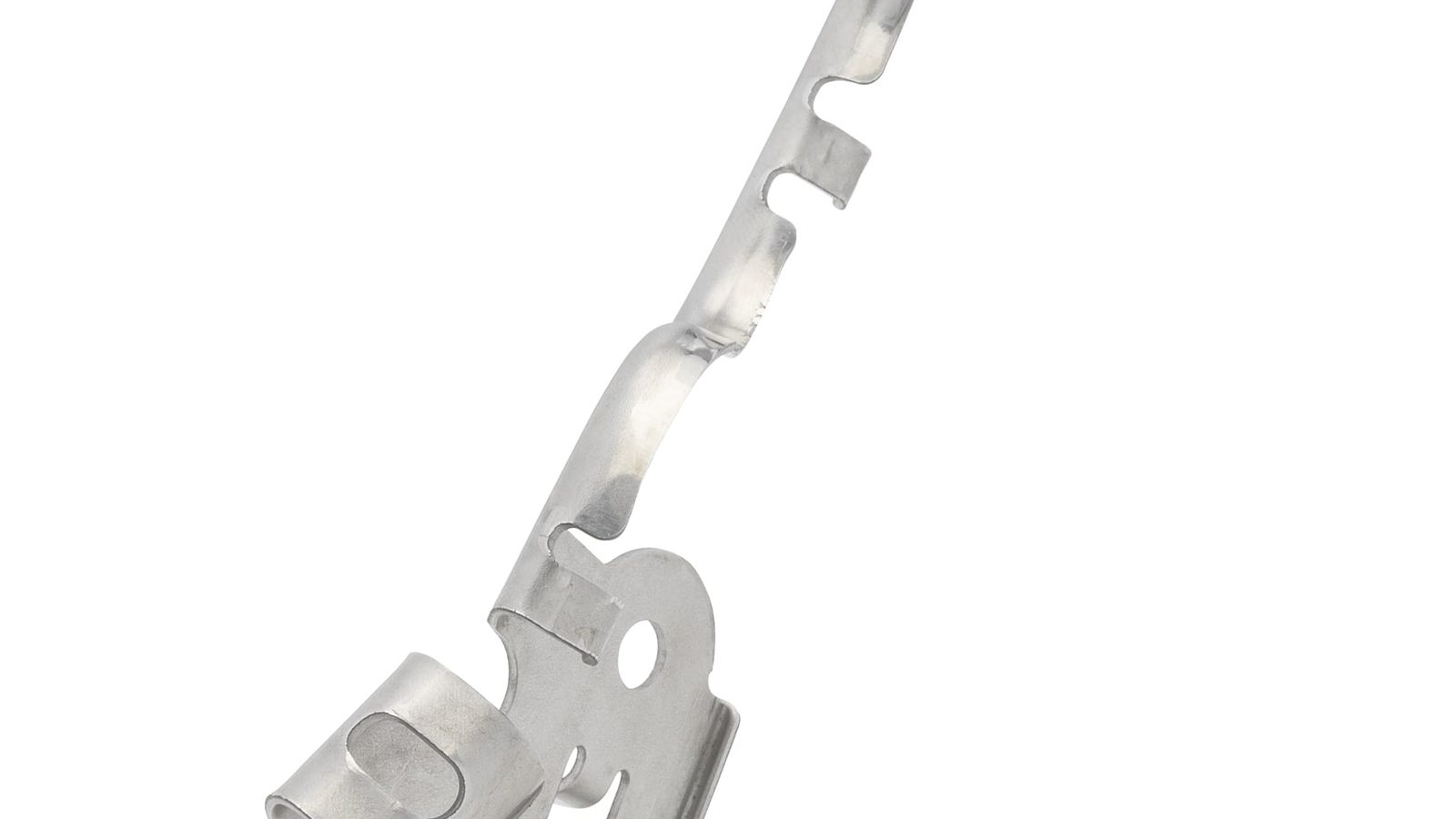
Stainless steel spring clips stamped on a progressive die for door hardware
Tolerance Control: ±0.005 mm
IATF 16949 Certified

Trusted Tier-1 & OEM Standards:

IATF 16949:2016 CertifiedISO 14001:2015PPAP DocumentationCMM + In-Line VisionFast DFM Feedback

PARTS WE STAMP

Stainless Steel Stamping Parts We Run

Stainless gets specified where corrosion, hygiene or a spring has to survive without a coating. These four families cover most of the stainless steel stamped parts that leave the floor, and each one carries its own grade call-out, die approach and inspection plan. Stamping stainless steel parts to print is the easy half — the grade and temper call-out is the half that decides the program.

Spring clips and contacts

Clips, contact springs, retaining fingers and battery contacts from 301 in quarter-hard to full hard. The same work-hardening that gives 301 its spring also fights the press, so radius and angle are set by a coining station inside the die, not by an operator adjusting the ram.

SUS3010.1–1.5 mm1/4 to full hardcoined radii

EMI shields, cans and covers

Shields, cans, covers and small enclosures from 304 and 430 at 0.2–0.8 mm. 304 draws cleanly and solders predictably; 430 is the cheaper magnetic option for shield boxes that need to sit against a magnet or a reed switch. Die entry is eased and radii kept open.

SUS304SUS4300.2–0.8 mmmagnetic option

Medical and hygiene parts

Diaphragms, valve discs, cannula brackets and instrument parts from 316L and 304 where the part is cleaned, sterilized or thrown away after one use. 316L resists chlorides; it also work-hardens fast and galls, so forms are split across stations and the strip runs with a chloride-free lubricant.

SUS316L0.05–0.5 mmpassivatedmedical

Brackets, structural and magnetic parts

Brackets, mounting plates, appliance frames and sensor holders from 304 and 430 up to 3.0 mm. 430 is ferritic, magnetic and the lowest-cost grade here, but it cracks at tight bends and welds poorly, so bends stay at R≥1.0t and any welded joint moves to 304 at DFM.

SUS4301.0–3.0 mmferriticappliance

INSIDE THE PLANT

Stainless Steel Stamping Lines, Tool Room and Inspection Floor

Real equipment and inspection floor from our Dongguan plant — 25–110T high-speed presses, in-house tool room, and a CMM lab running first-article inspection on every program.

Stainless Steel progressive die stamping running on a high-speed press
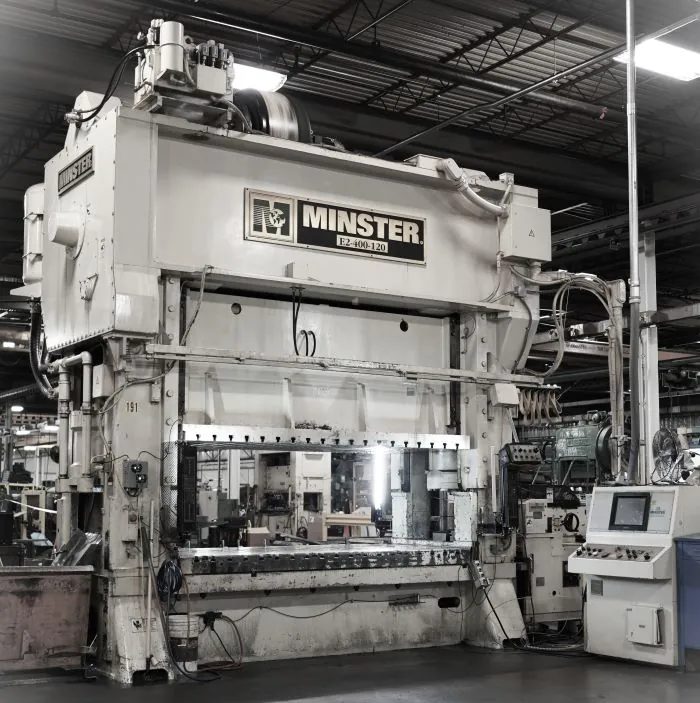
Stainless Steel Heavy gauge stamping press running progressive dies at the ISTAMPING plant
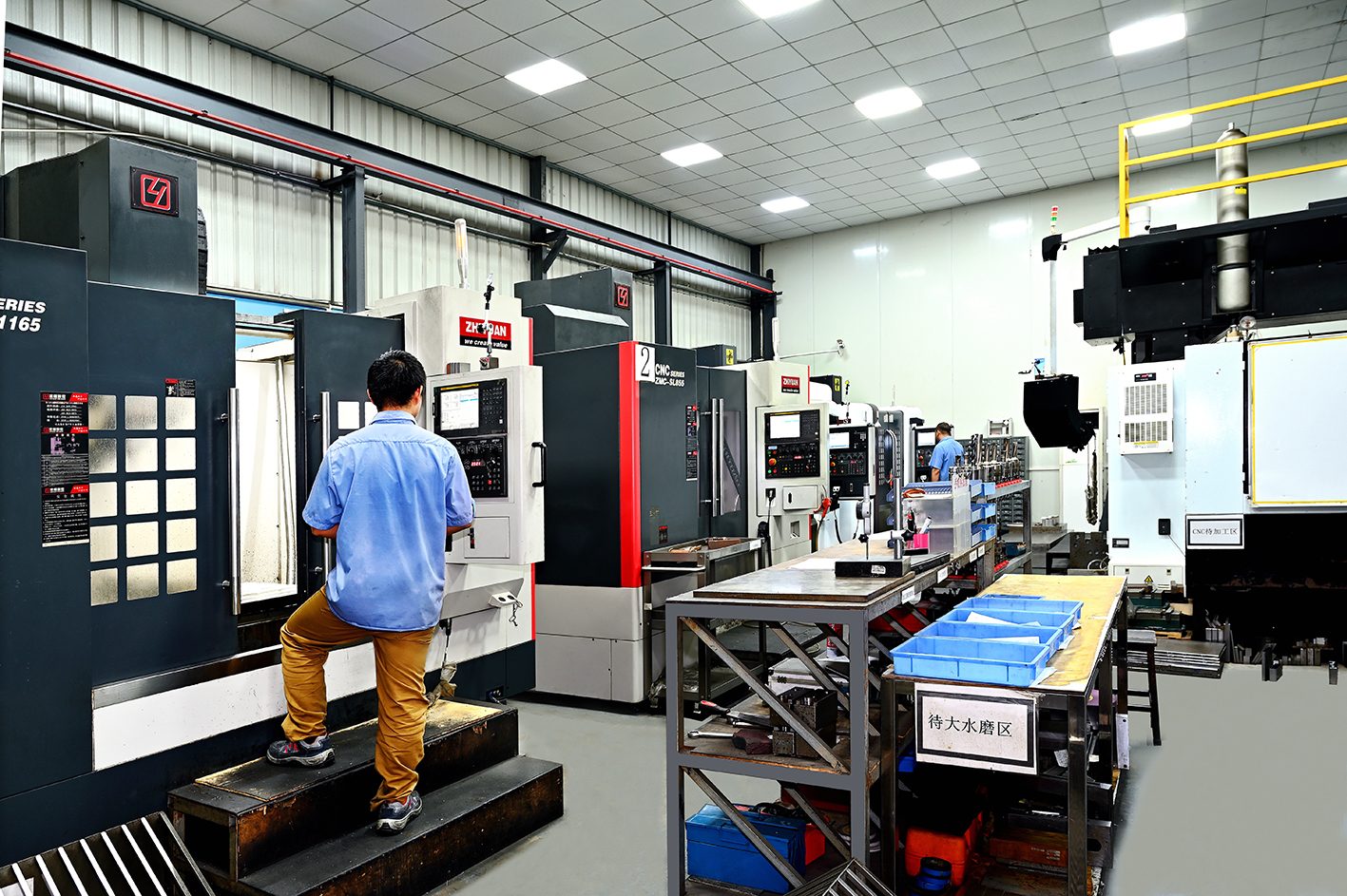
Stainless Steel In-house tool room machining progressive die components
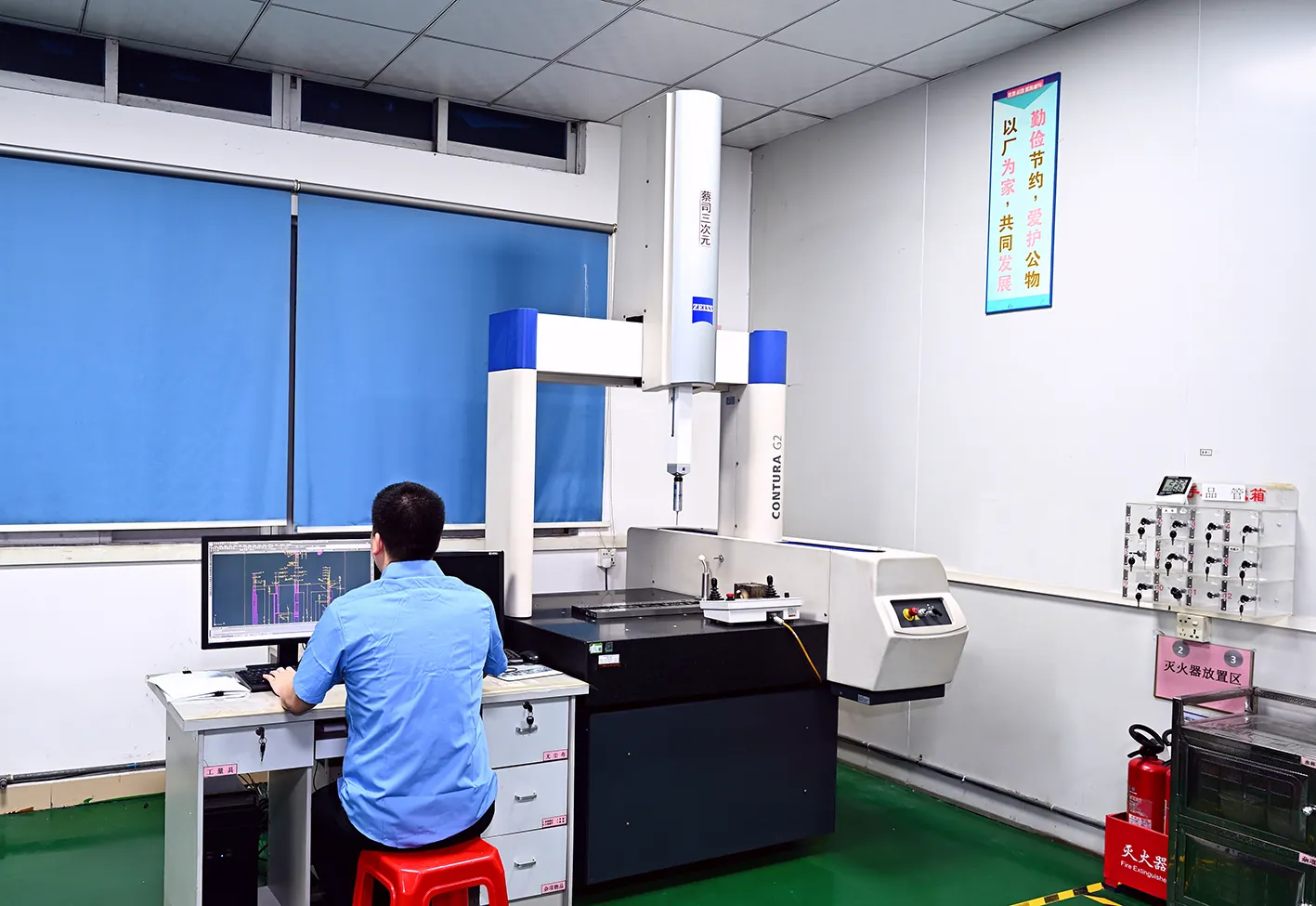
Stainless Steel CMM measuring a stamped component in the in-house quality lab
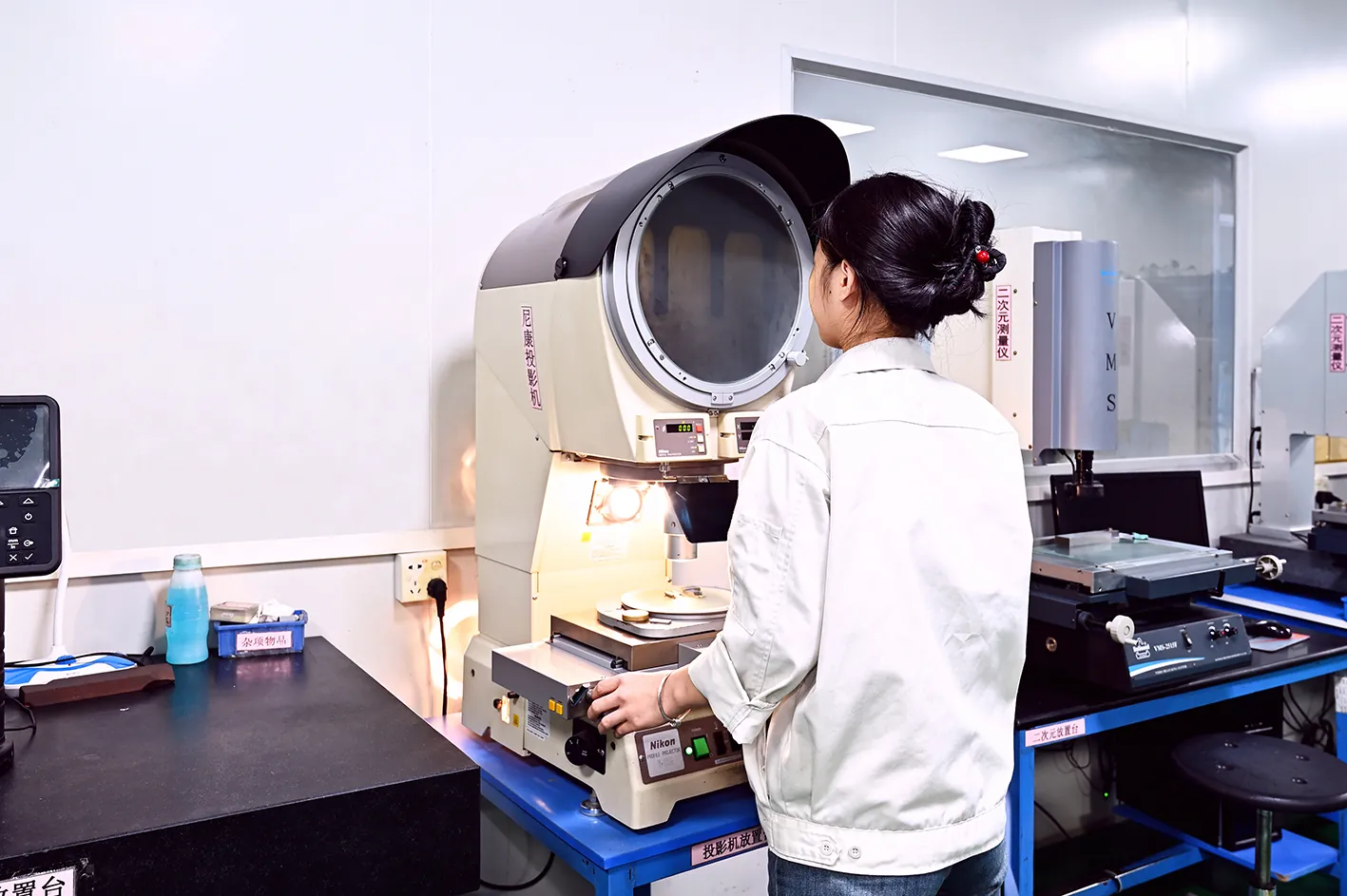
Stainless Steel Optical comparator verifying fine blanking edge quality
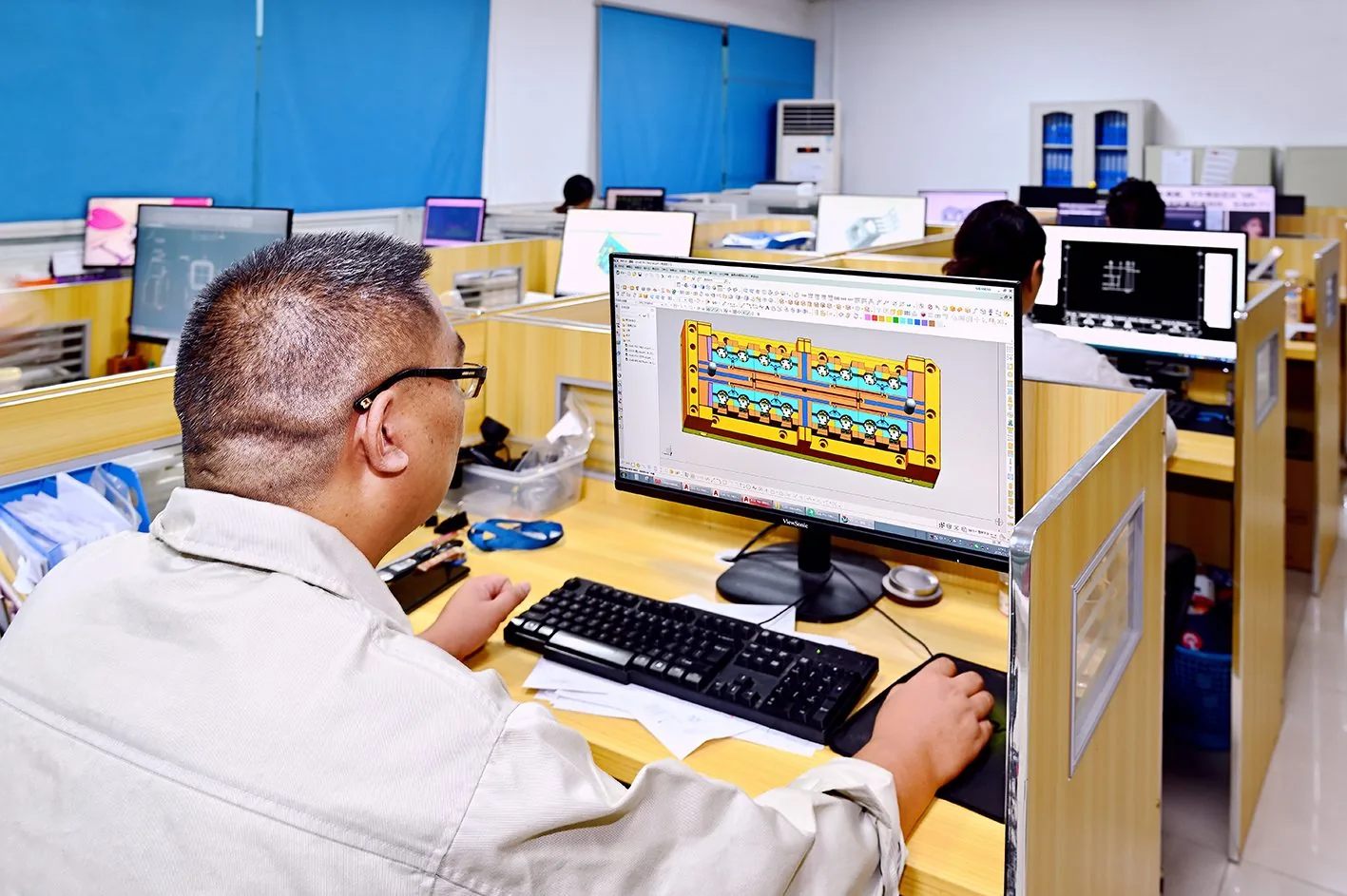
Stainless Steel Engineers reviewing progressive die layout DFM before production

WHERE STAINLESS GOES WRONG

What Makes Stainless Steel Harder to Stamp Than It Looks

Stainless metal stamping is a different animal from carbon steel: it work-hardens as it forms, galls on tool steel, springs back further and shears on a tighter clearance. These are the four things that decide whether a stainless program runs at rate or fights you for a year.

01

Work hardening and springback

The Challenge

301 and 316L get stronger every time they are bent. A three-station form that works on mild steel comes out short of angle on stainless, and the second station is forming already-hardened metal. Push the strain too far and the outside of the radius cracks instead of moving.

02

Galling on tool steel

The Challenge

Stainless is the worst common strip for picking up on the tool. The passive oxide layer tears under pressure, fresh metal welds to the punch, and the smear becomes a scratch on the part and a growing burr on the die within a few thousand strokes.

03

Tighter blanking clearance and burr

The Challenge

Stainless shears with a large burnish band and a short fracture zone, so the clearance that works on carbon steel tears the edge here. A torn edge work-hardens, throws a burr on the mating face, and on a thin shield or contact finger it becomes a crack starter in service.

04

Laser edges, welds and magnetism

The Challenge

The stamping is rarely the last process. Laser-trimmed edges come off with a heat tint that has to be removed before passivation, welded 304 can sensitize and rust at the seam, and cold-worked 301 turns slightly magnetic, which upsets sensor-based assembly and reed-switch designs.

HOW WE STAMP IT

Stainless Steel Precision Stamping: What We Hold in Production

Quoted values for stainless work, kept to what the press and the tool room can actually hold on stamped stainless steel in 301, 304, 316L and 430 — no ranges added for the page, and nothing the CMM cannot verify.

Specification ParameterWhat We HoldHow It Is Controlled
Strip thicknessCoil certificate + in-process thickness check
Positional toleranceFirst-article CMM at 0.001 mm resolution
Stamping speedSpeed set by form count and galling risk, not by the calendar
Press fleetThin stainless on high-speed frames, 1.5–3.0 mm on larger presses
Dies30 machining machines behind the tool room
Quality systemPPAP, mill certificates, lot traceability
InspectionCMM, optical and profile, in-line CCD on critical features
Surface and finishApproved partner lines, salt-spray verification, in-house ultrasonic cleaning
TOOL ROOM

Stainless die design and build

Progressive die design, machining and assembly in one shop — where springback compensation, clearance and galling resistance are decided, not discovered.

PRESSES

21 presses, 25–110 tons

Thin clips and contacts on the high-speed frames at up to 300 SPM; 1.5 to 3.0 mm structural and housing parts on the larger presses.

INSPECTION

CMM, optical and CCD

First-article CMM at 0.001 mm, optical and profile for radii and edges, in-line CCD on the features the drawing actually controls.

FINISHING

Passivation and plating

Passivation, nickel and tin through approved partner lines with salt-spray verification; ultrasonic cleaning and deburring stay in-house.

From Drawing to Production

01

DFM review

Grade, temper, bend radii, grain direction, burr side and the post-process route settled before a die is cut.

02

Die build

Progressive layout with springback compensation built into the form stations; inserts coated and polished for stainless; machined and assembled in our tool room.

03

Try-out and first article

Run on the production coil, not a sample — formed angles and radii verified on the CMM, PPAP documentation raised.

04

Production and SPC

Counted-stroke punch sharpening, polish intervals set by galling risk, in-line vision on critical features and SPC on the controlled dimensions.

STRIP AND SUPPLY

Stainless Steel Strip: Grades, Temper and Supply

We are a stamper, not a steel service center — we do not sell coil. Metal stamping for stainless steel is won or lost at material selection: we pick the grade, temper and surface the part needs and quote it as material plus conversion, with the mill certificate on file.

Grade and temper decide the die

301 in quarter-hard through full hard is the spring grade: most of the 301 stainless steel stampings here end up as a clip, a contact spring or a battery contact. 304 is the general structural default and takes the bulk of 304 stainless steel stamping — housings, brackets and shields that see washdown or sterilization. 316L is the chloride grade, and 316 stainless steel stamping in the L grade is the usual call for medical and marine duty; 430 comes in when a magnet or a reed switch is in the design and cost matters. Heat-resisting grades are quoted case by case: 321 and 347 where the part runs hot, 17-7PH where it is formed soft and aged afterwards. Temper is named on the purchase order because it changes the die.

Mill finish or pre-plated coil

2B, BA and No.4 finishes all run here. BA is the bright finish for visible faces; 2B is the workhorse for formed internal parts. Stainless steel forming is unforgiving of a dull die face, so the visible face runs away from the stripper and forming inserts are polished on a stroke count. Pre-nickel or pre-tin plated coil is workable when the die is built for gentler entry, and passivation after stamping stays on approved partner lines with salt-spray verification.

You supply or we procure

Either you supply coil to your own mill spec, or we buy the grade, temper, width and finish you name and quote material plus conversion with the mill certificate on file. If the grade is still open, we recommend between 301, 304, 316L and 430 before tooling.

Grades we run

SUS301 (AISI 301) — 1/4 hardSUS301 (AISI 301) — 1/2 hardSUS301 (AISI 301) — full hardSUS304 (AISI 304)SUS316L (AISI 316L)SUS430 (AISI 430)

BEFORE YOU SEND THE DRAWING

DFM Checklist for Stainless Steel Stampings

Eight checks worth doing on custom stainless steel stampings before tooling — the ones that decide whether the part forms cleanly or cracks at the radius.

  • Bend radius: inside radius at 1× thickness or more for 304 and 430, 1.5× or more for 301 at half-hard and above — tighter radii crack on the outside fibre.
  • Hole diameter: 0.8× thickness or larger; 0.6× is the floor on our dies and only with a stepped punch — stainless snaps small punches.
  • Hole-to-bend distance: at least 2× thickness from hole edge to bend line, more on 301 hard tempers, or the hole distorts as the bend pulls metal.
  • Bend line versus rolling direction: bend across the rolling direction. Bending along it on 301 or 430 raises edge cracking at the outside radius.
  • Grade call-out: name the grade and the temper, not just stainless. 301 quarter-hard and 301 full hard need different bend allowances and different dies.
  • Magnetic or non-magnetic: say if the part must be non-magnetic. Cold-worked 301 picks up slight magnetism; 430 is magnetic by nature.
  • Edge and burr: name the burr side and the edge condition — a laser-cut or sheared edge on a fatigue part needs a round-edge or deburred call-out.
  • Post-process: state whether the part is passivated, plated or welded, and whether weld seams sit in wet service — it changes the grade, not just the finish.

ORDERING & FAQ

How to Order Stainless Steel Stampings & Frequently Asked Questions

From drawing to delivered parts: a four-step path with engineering review at the front and 100% dimensional inspection at the back — then the questions buyers ask us most.

Submit CAD & Specs

Send 2D/3D drawings (STEP, DWG, PDF) with quantity, material, and tolerance requirements.

DFM Feedback & Quotation

Our engineering team conducts DFM analysis and follows up with a competitive quote after the review.

Precision Manufacturing

High-speed progressive die stamping, secondary forming, finishing, and surface treatment per your specifications.

100% QC & Express Shipping

100% dimensional inspection, anti-corrosion packaging, and global express delivery.

01

Do you supply the stainless, or do we?

Either. We are a stamper, not a steel distributor — we do not sell coil. You can supply to your own mill spec, or we procure the grade, temper and finish you name and quote material plus conversion.

02

Which stainless grades do you stamp?

301, 304, 316L and 430 are the grades that run here. 301 for springs and clips, 304 general purpose, 316L for chlorides and medical duty, 430 where magnetism and cost matter.

03

What is the thinnest stainless you can stamp?

0.05 mm at the thin end, up to 3.0 mm at the heavy end. Thin stainless runs on the high-speed presses with a guided stripper; heavy gauge moves to the larger presses in the fleet.

04

Can you stamp pre-plated or coated stainless?

Yes, pre-nickel and pre-tin coil both run, provided the die is built for gentler entry and the parts are not tumbled afterwards. Where the drawing wants selective plating, post-plating is usually the cheaper route.

05

What tolerance can you hold on stainless?

±0.005 mm on piloted positional features, verified on a CMM at first article. Formed dimensions carry springback, so critical angles are agreed at DFM and held with SPC in production.

06

Should this part be stainless or carbon steel?

If the part sees moisture, washdown, sterilization or a corrosive fluid, stainless earns its price. Indoors, dry and painted, galvanized or cold-rolled steel is cheaper and easier to form; we say so at DFM.

07

Can you quote stainless stamping from a sample instead of a drawing?

Often, yes. Send the part, we measure it and quote stainless stamping against a reverse-engineered drawing that you approve before tooling. If the original drawing still exists that is faster and cheaper for both of us.

08

Is stainless steel progressive stamping the right route at low volume?

Progressive stamping stainless steel pays back somewhere in the low tens of thousands of parts a year; below that a compound die, or laser-cut blanks formed on a brake, is the cheaper route and we quote it that way. At up to 300 SPM the die cost is spread across volume, so the crossover is arithmetic rather than preference.

09

Do you take on prototype stainless steel stamping?

Yes. Prototype stainless steel stamping starts from soft tooling or laser-cut blanks formed on a brake — enough to prove form, fit and finish before a progressive die is committed. When volume is confirmed the same part moves onto a hard die in our own tool room.

10

Do your stainless steel stamping services cover finishing, or only stamping?

The stainless steel stamping services here run from DFM and die design through stamping, in-die tapping, deburring and ultrasonic cleaning, with passivation and plating on approved partner lines. The part ships finished instead of moving between three suppliers.

Ready to Start Your Precision Stamping Program?

Send your drawing today — engineering runs a free DFM review and detailed pricing follows the review.

100% Confidential | NDA Protected | 24H Response