
Insert Molding & Injection Molding
Insert molding turns a precision stamped metal part into a complete function: the stamping carries current, structure or heat, the molded plastic carries insulation, position and protection, and the two leave our plant as one part. ISTAMPING stamps the insert and molds it in the same facility, so the metal-to-plastic assembly never changes hands.
- Vertical insert molding cells
- Stamped inserts you can trust to hold position
- 43 machines from 30 to 260 tons
- Engineering resin range
- In-mold automation and detection
Fast Response within 2 HoursNDA ProtectedSTEP / IGES / X_T / DWG
Trusted Tier-1 & OEM Standards:
SERVICE SCOPE & CAPABILITIES
Insert Molding & Injection Molding: What We Cover
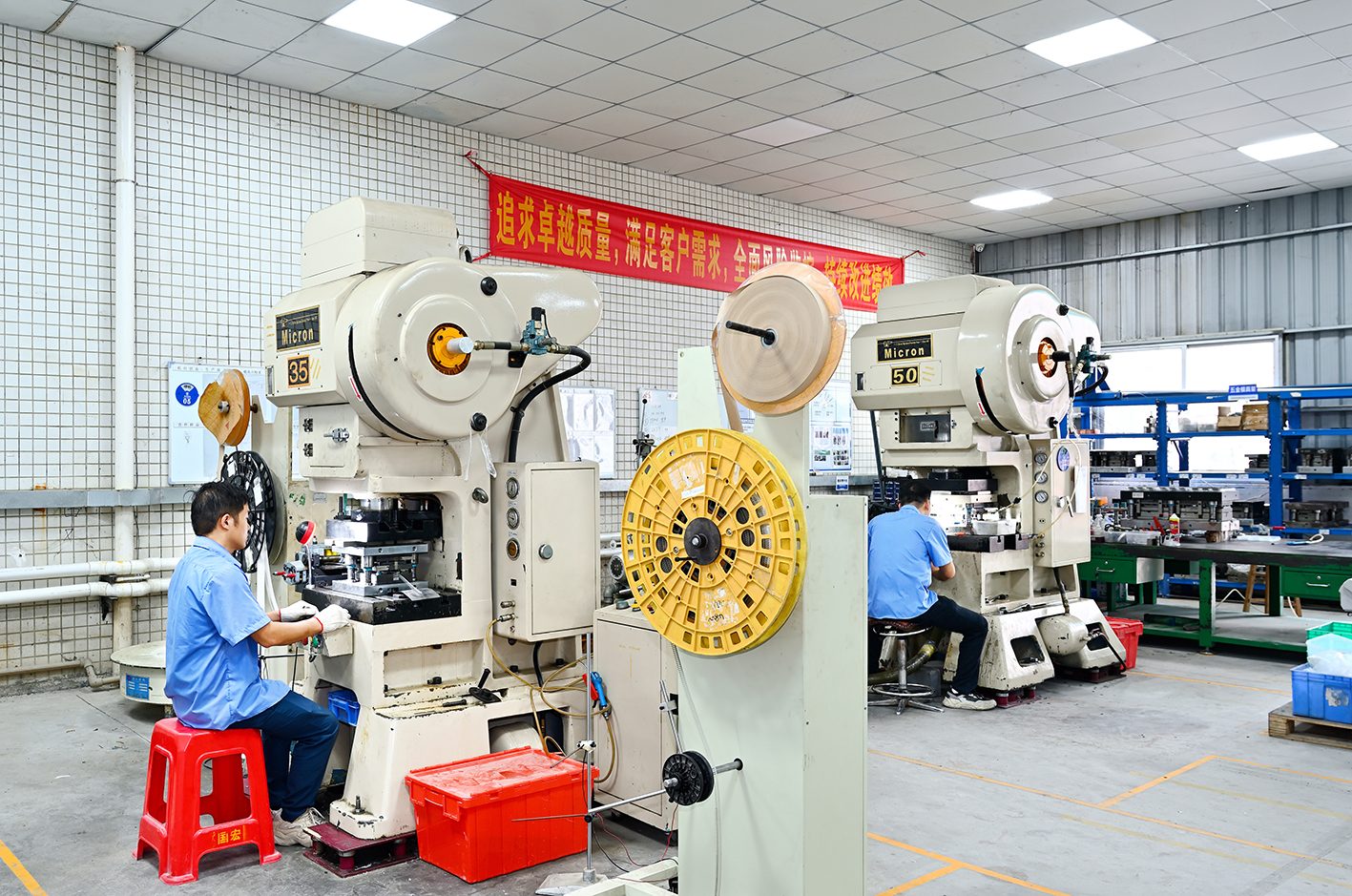
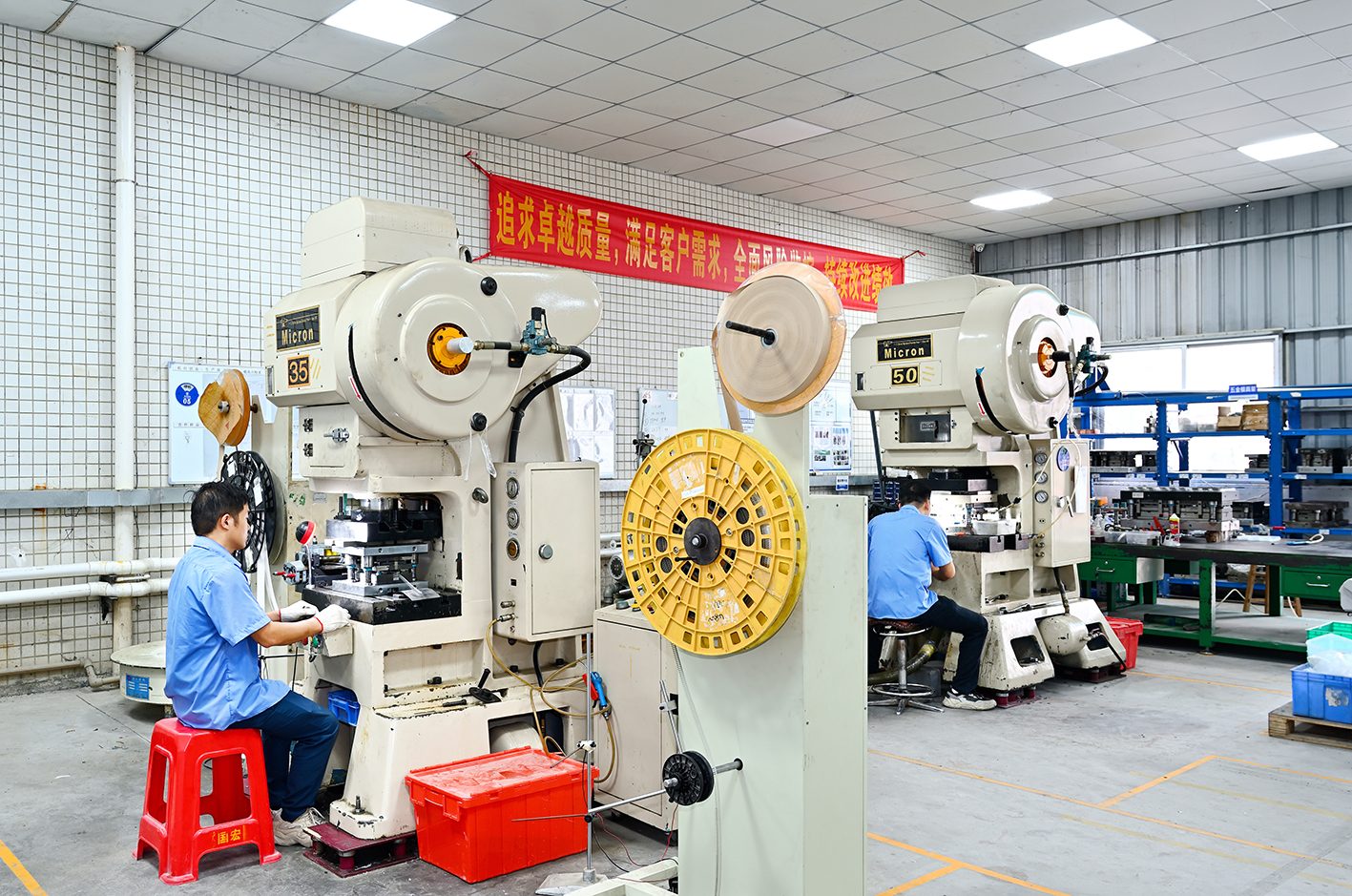
ISTAMPING mold-injects precision stamped inserts - busbars, terminals, contacts and leads - into plastic housings, insulators and connectors on a 43-machine molding department that includes three vertical presses dedicated to insert molding and overmolding. The stamping that becomes the insert and the molding that encapsulates it run in one facility under one quality system.
CORE CAPABILITIES
Capabilities
- Vertical insert molding cells
- Stamped inserts you can trust to hold position
- 43 machines from 30 to 260 tons
- Engineering resin range
- In-mold automation and detection
APPLICATIONS
Applications
- Busbar assemblies
- Motor insulators
- Connector contacts
- Sensor and module housings
- Cable assemblies
DFM & ENGINEERING SUPPORT
Design for Manufacturability, Built In
Before tooling starts, our engineers review your drawing for material, tolerance, bend, and volume economics — and lock the process that will hold it across millions of strokes.
What We Review in Your Drawing
Insert position drift under injection pressure
A thin terminal can shift as resin fills the cavity, moving the insulation wall and shorting creepage distance. Cavity locators, in-mold sensors and post-mold vision checks on insert position catch drift before it leaves the cell.
Metal-to-plastic bond integrity
Adhesion depends on surface condition, plating and cleanliness - variables controlled from the coil, not the mold. We qualify the interface with pull and thermal-cycle evidence and hold plating and cleaning inside a documented process window.
Warpage and shrinkage on glass-filled grades
GF nylon pulls differently along and across fiber flow, so housings that must seat flat can bow. Gate placement, packing profiles and cooling layout are set from flow analysis and confirmed against measured shrinkage per lot.
DFM to Production Flow
Stamp the insert
Terminals, busbars and contacts are stamped, plated as required and verified at ±0.005 mm before they ever see a mold.
Place and clamp
On vertical insert-molding cells, the stamped insert is placed into the cavity - by robot or operator - and the mold closes around it.
Inject around the metal
Engineering resin flows around the insert in one cycle; in-mold sensors watch fill, pressure and position.
Take out and check
Robot take-out feeds parts to in-line inspection; bond integrity, flash and dimensions are verified against the control plan.
Deliver as one part
The metal-plastic assembly ships as a single component with lot traceability from coil and resin back to the finished part.
Get a DFM Review of Your Part
Send us your 2D/3D drawing — receive a free DFM analysis and quote within 24 hours.
STEP / IGES / X_T / DWG / PDF
TECHNICAL CAPABILITIES
Insert Molding & Injection Molding: Specifications & Equipment
Part Specifications
| Specification Parameter | Automotive & EV Standard | High-Precision Custom |
|---|---|---|
| Molding Tolerance | ±0.01 mm precision / ±0.05-0.10 mm standard | Per drawing |
| Flash Control | ≤0.03 mm | Per drawing |
| Cavitation | 1-16 cavities (precision connector moldings) | Per drawing |
| Cycle Time | 13 s high-speed encapsulation / 45 s standard | Per drawing |
Press & Equipment
Molding Fleet
43 machines, 30–260 ton clamping
Insert Molding
3 vertical presses (insert/overmolding)
Precision Cells
40 horizontal presses, ±0.01 mm class
Automation
100% robot take-out with in-mold detection
Production Process
Stamp the insert
Terminals, busbars and contacts are stamped, plated as required and verified at ±0.005 mm before they ever see a mold.
Place and clamp
On vertical insert-molding cells, the stamped insert is placed into the cavity - by robot or operator - and the mold closes around it.
Inject around the metal
Engineering resin flows around the insert in one cycle; in-mold sensors watch fill, pressure and position.
Take out and check
Robot take-out feeds parts to in-line inspection; bond integrity, flash and dimensions are verified against the control plan.
MATERIALS & COMPLIANCE
Materials We Stamp & Compliance Documents
Every program ships with material traceability and the quality documents buyers need for automotive and EV supply chains.
Brass
Common Alloys
Finishing
Copper
Common Alloys
Finishing
Phosphor Bronze
Common Alloys
Finishing
Need a Specific Alloy or Coating?
Tell us the material grade and finish — we confirm availability and certification before quoting.
🔒 MTC / CoC / RoHS available per lot
QUALITY ASSURANCE & INSPECTION
In-House Quality Lab, Verified on Every Lot
IATF 16949:2016 certified with CMM, optical measurement and in-line vision inspection at press speed.
 🔬 Inspection Hardware
In-House Quality Lab
- CMM & optical measurement for flat and 3D parts
- In-line vision systems inspecting at press speed
- SPC on critical features to catch drift as a trend
 🎯 Quality Standards
IATF 16949:2016 Certified
- IATF 16949:2016 automotive quality management
- ISO 14001:2015 environmental management
- PPAP documentation for automotive & EV programs
📜 TraceabilityFull Lot Traceability
- First-article inspection against the drawing
- Lot-level material traceability back to the coil
- Inspection records on every shipment
Download Sample Quality Control & Inspection Reports
Review our standard CMM inspection sheet, Material Composition Certificate, and RoHS report templates.
INDUSTRY CASES
Case Studies for Insert Molding & Injection Molding
EV Battery · Case Study
EV Busbar Case Study: Battery Pack Interconnects
High-volume busbar stamping for EV battery pack interconnects — tolerance, plating and delivery evidence.
Read the Case Study →Automotive · Case Study
Progressive Die Case Study: Automotive Terminal Program
A multi-million-piece terminal program run on progressive dies with SPC and PPAP evidence.
Read the Case Study →EV Charging · Guide
EV Charging Connector Stamping Guide
How precision stamping serves EV charging connector programs — materials, tolerances and plating.
Read the Case Study →ORDERING PROCESS & FREQUENTLY ASKED QUESTIONS
How to Order Insert Molding & Injection Molding & Frequently Asked Questions
📁 Step 1
Submit CAD & Specs
Send 2D/3D drawings (STEP, DWG, PDF) with quantity, material, and tolerance requirements.
⏱️ Step 2
24H DFM & Quotation
Our engineering team conducts DFM analysis and provides a competitive quote within 24 hours.
⚙️ Step 3
Precision Manufacturing
High-speed progressive die stamping, secondary forming, finishing, and surface treatment per your specifications.
✈️ Step 4
100% QC & Express Shipping
100% dimensional inspection, anti-corrosion packaging, and global express delivery.
Do you do insert molding in-house?
Yes. Insert molding and overmolding run in our own molding department on vertical presses, alongside 13 more injection molding machines from 30 to 260 tons - not outsourced.
Why buy stamping and molding from one supplier?
Insert molding lives or dies on the insert: flatness, burr and position repeatability decide whether the plastic seals and insulates where it should. When one supplier owns the die, the press and the mold, springback, plating and molding corrections happen in days on one floor instead of as warranty arguments between two vendors.
What tolerances can molded parts hold?
±0.01 mm on critical features in precision cells, ±0.05-0.10 mm standard, with flash at or below 0.03 mm. Position of the encapsulated insert is held by the stamped part itself, which our piloted progressive dies locate at ±0.005 mm.
Which resins do you process?
PA66 and glass-filled nylon, PBT, PC, PC/ABS, ABS, POM/acetal, PP, HDPE, TPU, LCP, PEEK, PEI (Ultem), PSU and medical-grade silicone, with hot-runner and dedicated mold-temperature control for engineering grades.
How long does an insert-molding tool take?
New molds typically run 2-4 weeks from design release; revisions and repair moldings 1-2 weeks, because the tool room, tryout and production sit in the same building.
Can you plate the insert before molding?
Yes. Plating requirements on contact faces are set during DFM and managed through our approved plating partners under the same program records, so adhesion and electrical specs are met before the resin goes on.
What quality documents ship with molded assemblies?
First-article inspection, material and resin certifications with lot traceability, in-mold detection records and capability data, plus PPAP on automotive and EV programs under IATF 16949:2016.
Ready to Start Your Precision Stamping Program?
Send your drawing today for a free DFM review and detailed quotation within 24 hours.
🔒 100% Confidential | NDA Protected | 24H Response