
Wire & Cable Connectors
Wire and cable connectors, also known as crimp terminals, crimp wire connectors, crimp cable connectors and eyelet terminals serve a simple but essential purpose of connecting electrical wires and cables to other parts and modules within the entire electrical system of vehicles, appliances, control systems and other electrical applications.
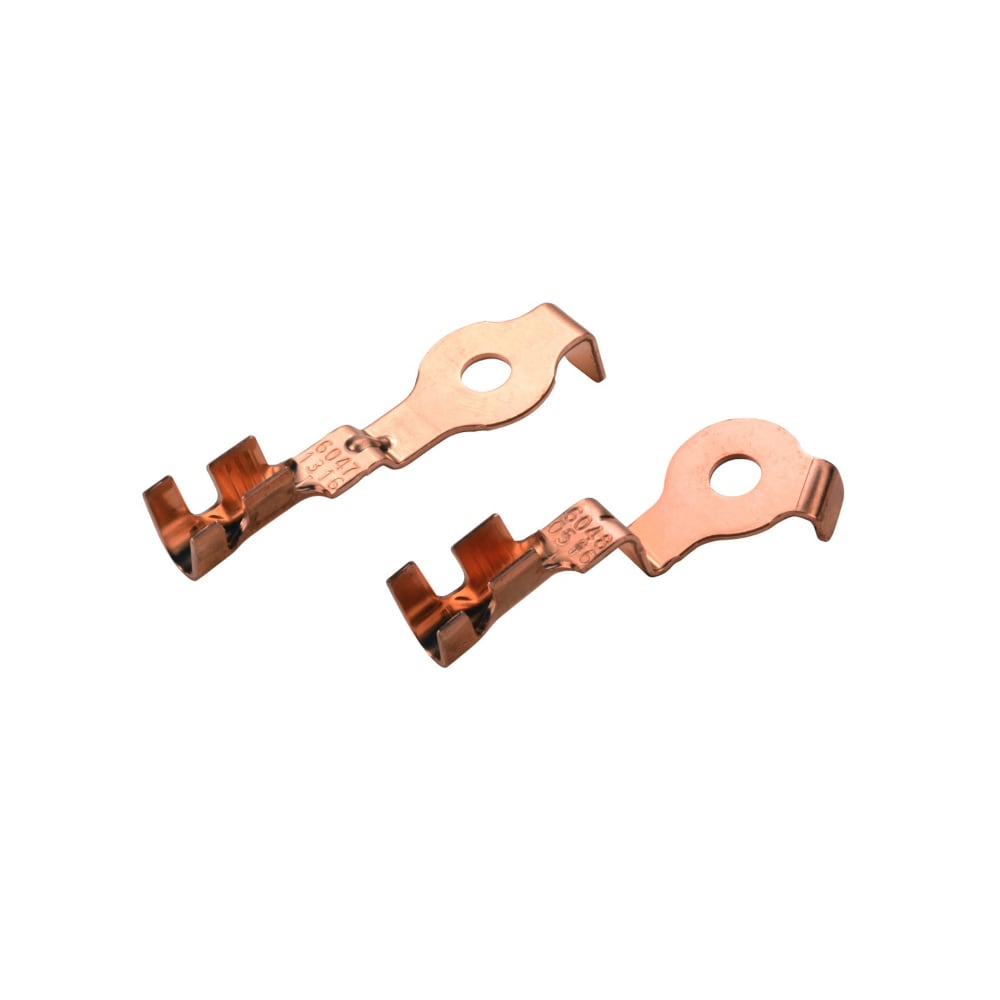
Browse the full stamped parts range for more details.
Why Wire & Cable Connectors
Wire and cable connectors, also known as crimp terminals, crimp wire connectors, crimp cable connectors and eyelet terminals serve a simple but essential purpose of connecting electrical wires and cables to other parts and modules within the entire electrical system of vehicles, appliances, control systems and other electrical applications.
- Precision manufacturing of wire and cable connector parts is vital, as debris or a loose connection can create a gap or resistance between modules and cables or wires. These issues can lead to extreme heat during high current draws, causing the terminal and joining parts to corrode or even melt. When ISTAMPING supplies your wire and cable connectors, you can rest easy knowing they fit, conform and function as intended - leveraging 3D modeling and tooling simulation, sensor and inspection technology, and precision stamping techniques to produce high-quality, conforming parts repeatedly.
- Secure connections are crucial for any electrically powered application. A subpar link between the parts of an electrical system can result in blown fuses and inoperability. Ensure your electrically driven application operates dependably and safely with high-quality wire and cable connectors from ISTAMPING.
- We are a high-volume supplier of stamped metal parts and assemblies for use in a variety of industries, with deep expertise in electrical eyelet connectors, wire eyelet connectors and high-volume connector production for automotive and EV applications.
OPTIMAL CONNECTOR PERFORMANCE
Precision manufacturing of wire and cable connector parts is vital, as debris or a loose connection can create a gap or resistance between modules and cables or wires. These issues can lead to extreme heat during high current draws, causing the terminal and joining parts to corrode or even melt. When ISTAMPING supplies your wire and cable connectors, you can rest easy knowing they fit, conform and function as intended - leveraging 3D modeling and tooling simulation, sensor and inspection technology, and precision stamping techniques to produce high-quality, conforming parts repeatedly.
Types of Wire & Cable Connectors We Produce
Technical Specifications
Material thickness
0.10 – 3.0 mm
Pitch range
0.8 – 5.08 mm
Positioning precision
±0.005 mm
Press capacity
25 – 80 tons (high-speed)
Production speed
Up to 300 SPM
Plating
Selective tin / silver / gold / nickel
Common Materials
- C1100 Copper
- C5191 / C5210 Phosphor Bronze
- C17200 Beryllium Copper
- C26000 Brass
- Stainless Steel SUS301 / 304
How We Manufacture Wire & Cable Connectors
Connection Failure Analysis
A loose crimp or contaminated contact creates resistance that generates heat under high current - eventually corroding or melting the joint. We engineer every connector to maintain a stable, low-resistance path across its service life.
Design & Engineering
We review mating requirements, current rating and wire gauge to engineer progressive tooling that delivers consistent crimp quality and strip integrity at high speeds.
Progressive Die Tooling
Precision progressive dies are built in-house to form terminals, contacts and eyelets while holding tight tolerances run after run.
High-Speed Stamping
Connectors and eyelets are stamped in high volume with in-process monitoring on presses up to 300 SPM, holding ±0.005 mm precision.
Selective Plating
Reel-to-reel selective plating applies tin, silver, gold or nickel only where contact performance requires it - controlling cost while preserving conductivity.
Inspection & Quality Control
Camera vision and sensor technology inspect every part during stamping under IATF 16949:2016, supporting zero-defect, high-volume delivery.
Design-for-Manufacturability Support
Our engineers review your connector geometry at the quoting stage - material selection, crimp height, plating zones and tolerance relaxation - to lower tooling cost without compromising electrical performance. We also take over existing dies and optimize them for our high-speed presses.
FAQ
Questions Buyers Ask
What connector types do you stamp?
We stamp board-to-board, wire-to-board, inline and crimp terminals, eyelets and connector contacts in reel-to-reel strip or loose form, for automotive, EV and industrial harness applications.
What pitch sizes can you hold?
Our high-speed progressive tooling holds pitch ranges from 0.8 mm to 5.08 mm, with ±0.005 mm positioning precision on critical features.
Can you plate connectors selectively?
Yes. Reel-to-reel selective plating applies tin, silver, gold or nickel only on contact surfaces - preserving conductivity while controlling cost.
How do you prevent connection failures?
Every program starts with a feasibility review and run-at-rate study. In-line camera vision and sensors inspect each part, eliminating loose crimps and contamination that cause resistance, heat and joint failure.
Recommended Products
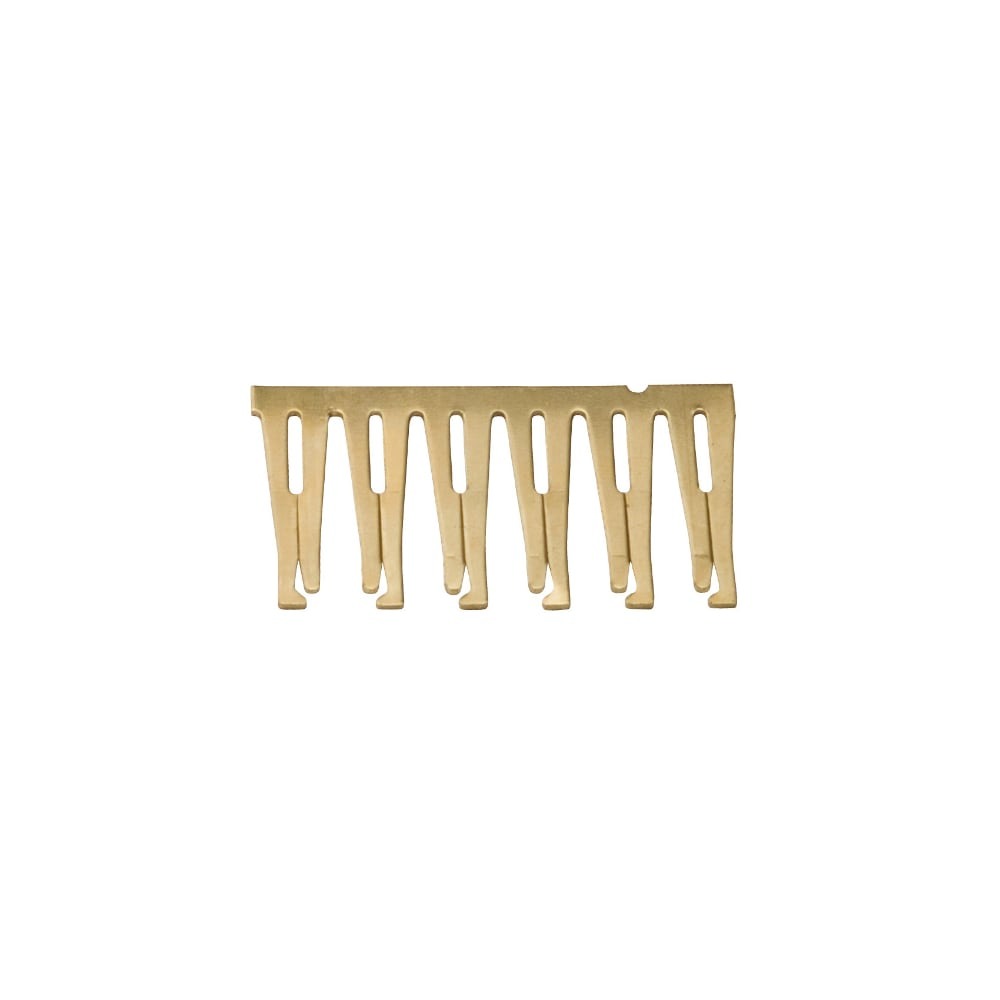
Terminals
Terminals are necessary to connect various circuits or systems. Sometimes called electrical connectors, these components are used to transfer electrical current from a power or grounding source to an electrical system.
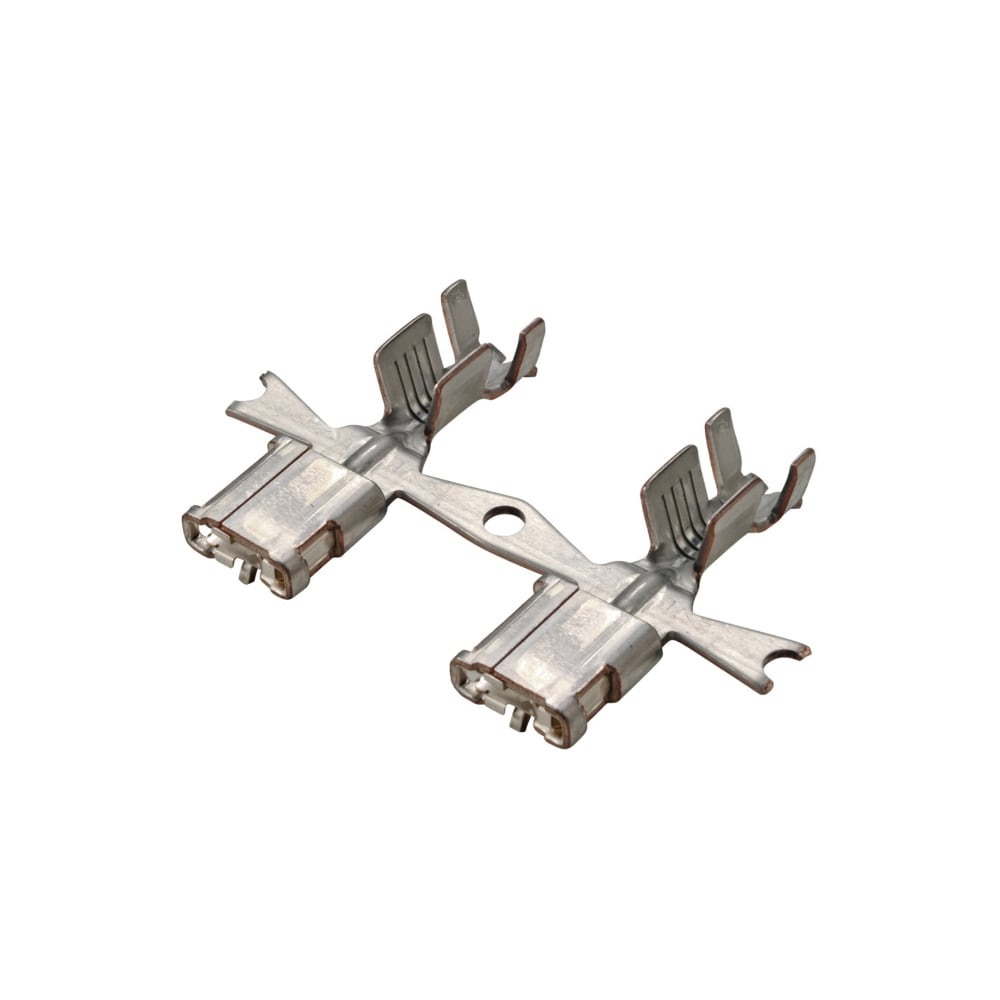
Assemblies
Assemblies are complete finished products or sub-assemblies built from multiple stamped components joined together - often combining metal stampings with plastic parts, hardware and inserts.
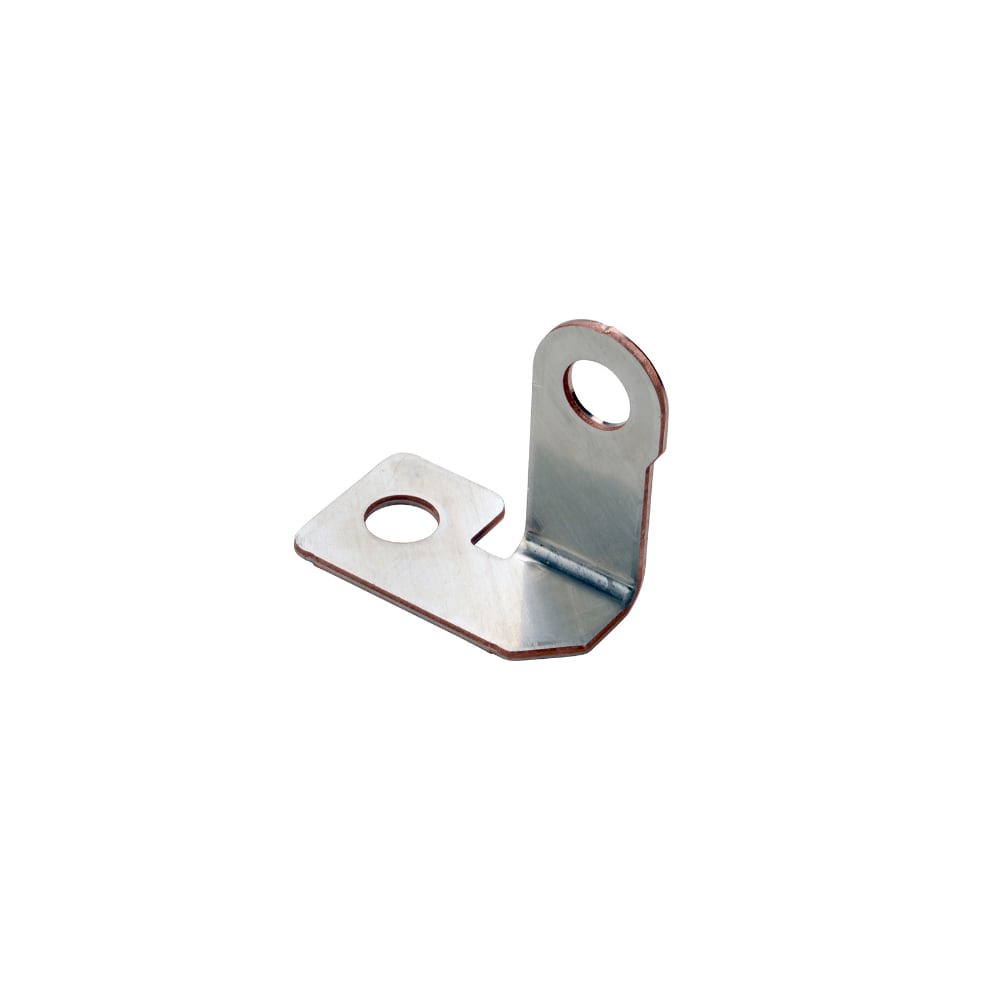
Brackets
Brackets are structural stamped components used to mount, support or secure parts in applications across buildings, automotive, electronics and appliances.